
Walking Pad: Do They Work and How to Use One
A walking pad is a compact, treadmill-style belt, usually without handrails, that fits under a desk or folds away. It is designed for light-to-moderate walking, not running. Walking pads can help you move more during the workday and sit less, but experts say they do not give the same aerobic workout as a treadmill, and the evidence for weight loss is not proven.
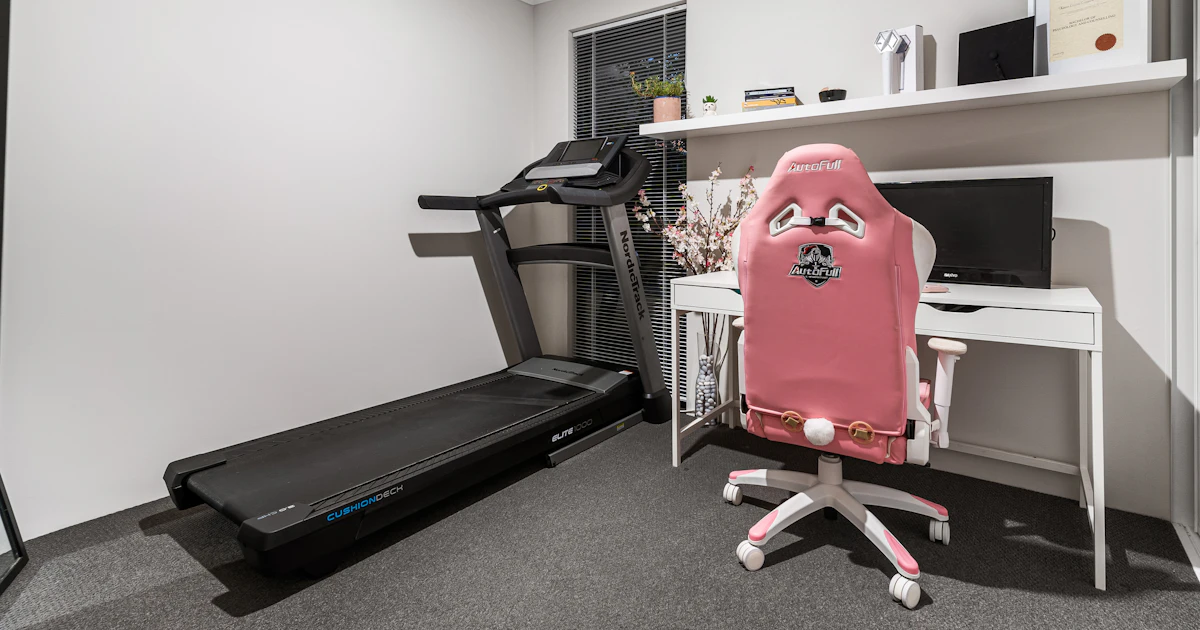
A walking pad helps you replace sitting time with slow walking, typically at 1 to 4 mph. It gives the benefits of light-to-moderate walking but not those of higher-intensity exercise, and regular use is "not proven" for weight loss according to WebMD. Start at about 1 mph in proper shoes, use your desk for balance, limit long sessions to avoid back strain, and talk to a doctor before starting if you have health concerns.
A walking pad is a compact, treadmill-style belt, usually without handrails, that fits under a desk or folds away. It is designed for light-to-moderate walking, not running. Walking pads can help you move more during the workday and sit less, but experts say they do not give the same aerobic workout as a treadmill, and the evidence for weight loss is not proven.
This guide explains what a walking pad is, what it can and cannot do, the safety points, and what to check before buying a foldable or under-desk model. It is part of our home fitness and recovery guide.
Quick answer
A walking pad helps you replace sitting time with slow walking, typically at 1 to 4 mph. It gives the benefits of light-to-moderate walking but not those of higher-intensity exercise, and regular use is "not proven" for weight loss according to WebMD. Start at about 1 mph in proper shoes, use your desk for balance, limit long sessions to avoid back strain, and talk to a doctor before starting if you have health concerns.
What is a walking pad?
Cleveland Clinic describes a walking pad as a treadmill belt on rollers that fits under a desk, weighing roughly 30 to 50 pounds. UCLA Health calls them small, simple portable treadmills that sit on the floor in front of a desk, and WebMD says they are compact enough to fit under a desk. The sources give different top speeds: UCLA says 0.5 to 4 mph, Cleveland Clinic about 5 mph, WebMD 2.5 to 8.6 mph, and TIME about 4 mph for single-purpose pads and higher for dual-purpose ones.
Walking pad benefits: what the sources say
-
Less sitting. Cleveland Clinic quotes an exercise physiologist saying sitting is "the new cigarette." WebMD says experts agree to break up sitting every 30 minutes. UCLA says replacing sedentary time with 30 minutes of any activity daily can reduce the risk of type 2 diabetes, citing a diabetes-journal study. None of the pages reports a walking pad's effect on blood sugar directly.
-
More steps. WebMD cites a 2021 study in which office workers using walking pads walked about 4,500 more steps a day. TIME says at least 4,000 steps a day can reduce the risk of dying from any cause, and gives user anecdotes that are not study results.
-
Some calories. Cleveland Clinic says 30 minutes of walking burns about 100 to 260 calories, depending on body weight. TIME cites a treadmill-desk study with an extra 100 calories per hour at 1 mph.
-
Possible comfort gains. TIME cites a small 2023 study of reduced hip and back pain, which we did not verify. UCLA says walking helps joint pain in general, not specifically on a pad.
Limits and what not to expect
WebMD says walking pads are not really made for aerobic activity and do not give the aerobic or heart benefits of a treadmill, and that normal use is not proven to be a good way to lose weight. UCLA frames them as all the benefits of light-to-moderate walking, with a treadmill better for running or high-incline work. Cleveland Clinic says the pace is meant to be walking without gasping for breath. Do not expect a gym replacement. Our guide to a stretching routine and one on resistance bands cover other ways to add strength and mobility.
Is a walking pad safe?
Most pads have no handrails. Cleveland Clinic says they are usually well tolerated by able-bodied people with good balance who do not use assistive walking devices. UCLA says to use your desk or a stable chair for balance and warns that walking the whole workday can lead to fatigue and back strain, suggesting no more than two to four hours a day. It also says a weak core could lead to low back pain, and that you should speak with a primary care physician before starting a new fitness routine. TIME says wider belts reduce the risk of stepping off, and that slippers and flip-flops are not appropriate. Cleveland Clinic says barefoot walking is not a good starting point because of overuse injuries.
Walking pad with incline, foldable and under-desk models
- Incline. Sources differ: Cleveland Clinic and UCLA say pads are for level walking and most do not adjust, WebMD says some reach 5% or more and suggests short incline intervals, and TIME says pads usually have a smaller incline than treadmills.
- Foldable. WebMD says foldable models have a hinged pad for easy storage and may be noisier than stationary ones.
- Under desk. Under-desk models do not have a handle or bar (WebMD). TIME says to check the decibel rating and use a rubber mat to reduce noise.
- Size and cost. TIME says belt widths range from 12 to 18 inches for pads. Prices in the sources run from about $100 to $400 and up, and weight capacity is often around 200 to 220 pounds, sometimes 300 or more.
A foldable walking pad, also sold as a folding walking pad, is easier to store between sessions. An under desk walking pad needs clear floor space and a desk that suits standing, so check the walking pad under desk setup before buying. A walk pad is simply another name for the same device.
How to use a walking pad
- Start at about 1 mph, as TIME suggests, and build up gradually.
- Wear supportive exercise shoes.
- Set your desk so the keyboard lets your arms bend at about 90 degrees (UCLA). Sources differ on monitor height, so choose what feels natural.
- Swing your arms and keep your core engaged.
- Take breaks and limit long sessions.
When to see a doctor
UCLA says to check with your primary care physician before starting, even for slow walking. Stop if you feel dizzy, short of breath or have pain.
FAQ
Do walking pads really work?
They help you walk more and sit less. They do not replace higher-intensity exercise.
Are walking pads good for weight loss?
WebMD says normal use is not proven to be a good way to lose weight.
How fast should I go on a walking pad?
Start around 1 mph. Most pads are built for 0.5 to 4 mph, depending on the source.
Is a walking pad better than a treadmill?
It is smaller and more portable, but a treadmill is better for running or higher-intensity workouts.
Can you use a walking pad under a desk?
Yes, many are designed for that. They usually have no handrails.
How long should I use a walking pad each day?
UCLA suggests no more than two to four hours a day.
This article is for general information and is not medical advice. Talk to a doctor before starting a new fitness routine, especially if you have balance, joint or health concerns.
Frequently asked questions
This article is for informational purposes only and does not constitute medical advice, diagnosis or treatment. Always consult a qualified healthcare professional before starting any supplement, diet or exercise programme, especially if you are pregnant, nursing, taking medication or have a medical condition. Statements about supplements have not been evaluated by the Food and Drug Administration.
Feel Better With Us Editorial Team
Our editors research every guide from primary sources and update it when the evidence changes. Our editorial standards