
Fitness Tracker: What It Measures and Whether You Need One
A fitness tracker is a wearable device, usually a watch, band, clip or ring, that logs steps, heart rate, exercise and sleep. Cleveland Clinic says heart rate readings are generally reliable when the device is worn correctly, while calorie, sleep and stress estimates are less precise. A tracker can nudge you to move more, but it does not improve your health on its own.
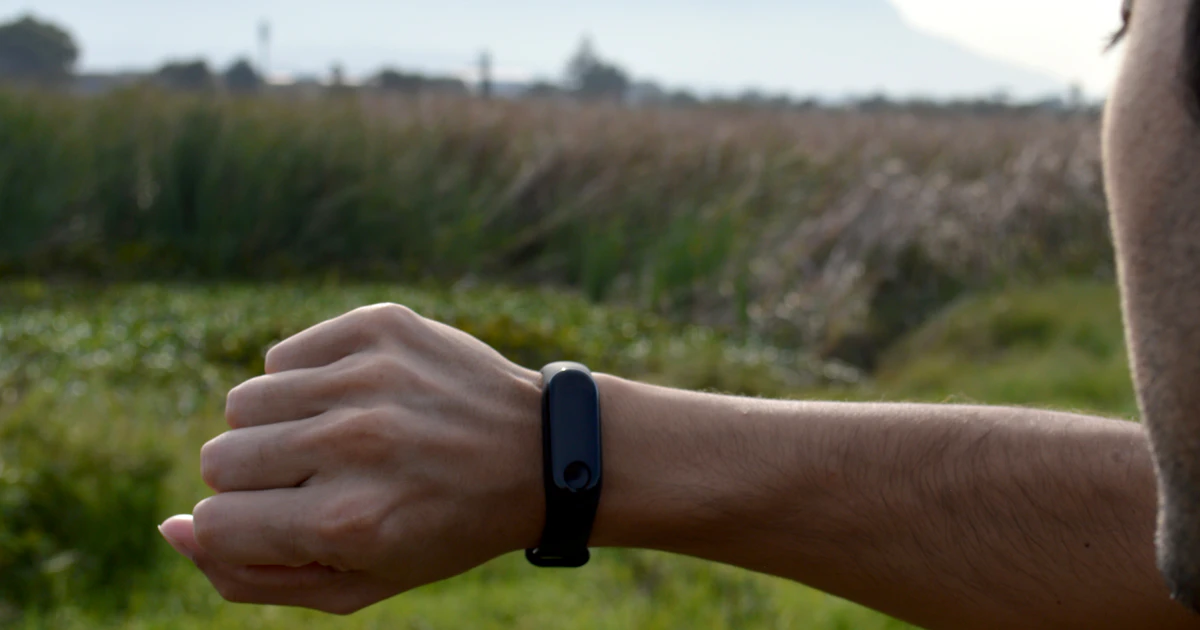
Use a fitness tracker for steps, exercise minutes and heart rate during workouts, and treat calories, sleep stages and stress scores as rough estimates. Look at battery life, app compatibility, GPS, comfort and price rather than chasing exact numbers. Skip or limit tracking if the data makes you anxious or if you have a history of an eating disorder. Do not use a tracker to diagnose a problem: see a doctor about symptoms.
A fitness tracker is a wearable device, usually a watch, band, clip or ring, that logs steps, heart rate, exercise and sleep. Cleveland Clinic says heart rate readings are generally reliable when the device is worn correctly, while calorie, sleep and stress estimates are less precise. A tracker can nudge you to move more, but it does not improve your health on its own.
This guide explains what a fitness tracker measures, how accurate it is, who may benefit, its limits and what to compare before buying. It is part of our home fitness and recovery guide.
Quick answer
Use a fitness tracker for steps, exercise minutes and heart rate during workouts, and treat calories, sleep stages and stress scores as rough estimates. Look at battery life, app compatibility, GPS, comfort and price rather than chasing exact numbers. Skip or limit tracking if the data makes you anxious or if you have a history of an eating disorder. Do not use a tracker to diagnose a problem: see a doctor about symptoms.
What does a fitness tracker measure?
Cleveland Clinic lists step counts, distance, calorie estimates, heart rate and rhythm, blood oxygen, exercise minutes, period tracking, medication reminders, noise, fall detection and sleep quality. Features vary by device and some cost extra through subscriptions. It does not give accuracy figures for blood oxygen or heart rhythm, so we make no claims about them.
How accurate is a fitness tracker?
- Heart rate. Cleveland Clinic says it tends to be fairly accurate if you wear the device properly.
- Steps and activity intensity. CU Anschutz says many trackers have improved at these, without giving numbers.
- Calories. CU says energy expenditure accuracy is still hit-and-miss, and Cleveland Clinic says body composition estimates can be off.
- Sleep. CU says most devices mainly detect body movement, so lying still can look like sleeping.
- Stress. A physiologist quoted by CU says trackers probably over-promise on how well they measure it.
Neither page gives study numbers for accuracy, so treat trends as more useful than single readings.
Do fitness trackers help you exercise more?
Cleveland Clinic says trackers can give small nudges, goal notifications and feedback on exercise intensity, and cites American Heart Association guidance of 150 minutes of moderate or 75 minutes of vigorous activity a week. It adds that trackers do not improve your health on their own. CU describes community and sharing features as motivating but also cites an earlier study of an armband that found no weight loss benefit over not using one. For a related low-cost option, see our guide to a walking pad.
Limits and risks
CU says trackers can over-promise, and that for people with eating disorders or obsessive tracking they may be harmful. A low step count can start a negative spiral, according to CU. Cleveland Clinic says safety features such as fall detection are not always perfect and advises not relying on advanced estimates as exact numbers. We found no page that covers privacy and data sharing, so read the app's policy before sharing health data.
What to compare before you buy
Cleveland Clinic lists features rather than products:

- Battery life, which varies by device.
- App and phone compatibility, since many trackers work only with their own app.
- GPS, if you want to map outdoor workouts.
- Form factor: watch, clip or ring. Rings may be a safety risk for some jobs.
- Ease of use and comfort.
- Cost, from under $50 for basic models to hundreds of dollars for high-end ones, plus any subscription.
The sources do not compare brands, so we do not name a best fitness tracker or rank products. See our guide to the smart scale.
Who benefits most?
Cleveland Clinic says people who want awareness, motivation, exercise-intensity feedback or safety alerts, and says fall detection can be especially helpful for older adults. CU says trackers are not for everyone and some people find the data discouraging.
When to see a doctor
None of the pages we read gives thresholds for when a reading needs medical attention. If you have symptoms such as chest pain, dizziness or a very fast or irregular heartbeat, see a doctor rather than relying on the device.
FAQ
What is a fitness tracker?
A wearable that logs activity, heart rate, sleep and other data.
Are fitness trackers accurate?
Heart rate is generally reliable. Calories, sleep stages and stress scores are less precise.
Do I need a fitness tracker?
No. It can help with motivation but does not improve health on its own.
What is the best fitness tracker?
The sources name none. Compare battery life, app compatibility, GPS, comfort and price.
Can a fitness tracker detect health problems?
It can show trends, but the pages we read do not describe diagnosis. See a doctor about symptoms.
Are fitness trackers bad for anyone?
CU says they may be harmful for people with eating disorders or obsessive tracking.
This article is for general information and is not medical advice. Talk to a doctor about symptoms or concerning readings.
Frequently asked questions
This article is for informational purposes only and does not constitute medical advice, diagnosis or treatment. Always consult a qualified healthcare professional before starting any supplement, diet or exercise programme, especially if you are pregnant, nursing, taking medication or have a medical condition. Statements about supplements have not been evaluated by the Food and Drug Administration.
Feel Better With Us Editorial Team
Our editors research every guide from primary sources and update it when the evidence changes. Our editorial standards