
Should You Stretch Before or After a Workout?
Should you stretch before or after a workout? The research suggests this: before exercise, use short dynamic movements as part of a warm-up, and keep static holds brief (under about 60 seconds per muscle). Save longer static stretching for after training or a separate session if flexibility is your goal. No study we read directly compared stretching before and after for injury or soreness, so the timing advice rests on indirect evidence.

Before a workout, warm up with dynamic stretches such as leg swings, hip circles and trunk rotations. If you do static stretches, hold each for under about 60 seconds, ideally with a warm-up first. After a workout or in a separate session, static holds of 30 seconds or more are the best way to build flexibility. Long static holds (60 seconds or more) before maximal strength or sprint efforts may reduce force slightly. The evidence does not show that stretching before or after prevents soreness.
Should you stretch before or after a workout? The research suggests this: before exercise, use short dynamic movements as part of a warm-up, and keep static holds brief (under about 60 seconds per muscle). Save longer static stretching for after training or a separate session if flexibility is your goal. No study we read directly compared stretching before and after for injury or soreness, so the timing advice rests on indirect evidence.
This guide explains dynamic and static stretching, what studies found on performance and flexibility, a simple routine before and after, and what the evidence cannot tell you. It is part of our home fitness guide.
Quick answer
Before a workout, warm up with dynamic stretches such as leg swings, hip circles and trunk rotations. If you do static stretches, hold each for under about 60 seconds, ideally with a warm-up first. After a workout or in a separate session, static holds of 30 seconds or more are the best way to build flexibility. Long static holds (60 seconds or more) before maximal strength or sprint efforts may reduce force slightly. The evidence does not show that stretching before or after prevents soreness.
Dynamic vs static stretching
The 2024 meta-analysis by Warneke and Lohmann defines the types:
- Static stretching: lengthening a muscle to the point of stretch or mild discomfort and holding it still.
- Dynamic stretching: controlled back-and-forth movements at the end of your range of motion, such as leg swings.
Dynamic vs static stretching is the main choice. Neither is strictly right or wrong: it depends on when you do them and for how long.
Should you stretch before or after a workout: what the research says
-
Strength. The meta-analysis of 83 studies found a small loss in maximal strength after static stretching (effect size about -0.21). Bouts of 60 seconds or more were associated with larger losses. The authors rated the certainty low for maximal strength.
-
Jumping and sprinting. The same review found no negative overall effect on athletic performance, and a small positive effect on later jumping in adults. The authors say a blanket ban on stretching in warm-ups is not supported by the evidence.
-
Running. A scoping review of 11 small running studies (111 participants in total) found that static stretching of 20 to 90 seconds slightly worsened running performance on average (about -1.4%), with no clear change in running economy. Dynamic stretching showed an average gain of about 10 percent in performance, but the confidence interval included zero and rested on three studies, so it is not proof. The authors suggest short dynamic stretching if the goal is running performance, and holds of 60 seconds or less when stretching statically.
-
Sprint and range of motion. In a trial of 19 trained adults (Samson and colleagues), a general warm-up plus an activity-specific warm-up gave about 1 percent faster 20-meter sprints, whether the stretching was dynamic or static (3 sets of 30 seconds). Static conditions improved sit-and-reach by about 2.8 percent over dynamic.
Most of these studies are small and short, and women and young people are under-studied.
Should you stretch after a workout?
None of the studies we read tested stretching after exercise. What they show is indirect:
- Static stretching improves static range of motion more than dynamic stretching, so it is the usual choice when flexibility is the goal.
- Because long static holds can slightly reduce force right afterward, doing them after training avoids that effect on the session itself.
- A dynamic or active warm-up after a static stretch may help counter the force loss, according to studies cited by the reviews.
A reasonable approach: finish with static holds of about 30 seconds on the muscles you worked. The 30-second hold comes from the trial above, not from a study of post-workout stretching.
A simple routine
Before (about 5 minutes, dynamic): easy cardio, then movements like the ones used in the trial: hip flexion and extension, leg swings side to side, trunk circles and ankle rotations, about 30 seconds each.
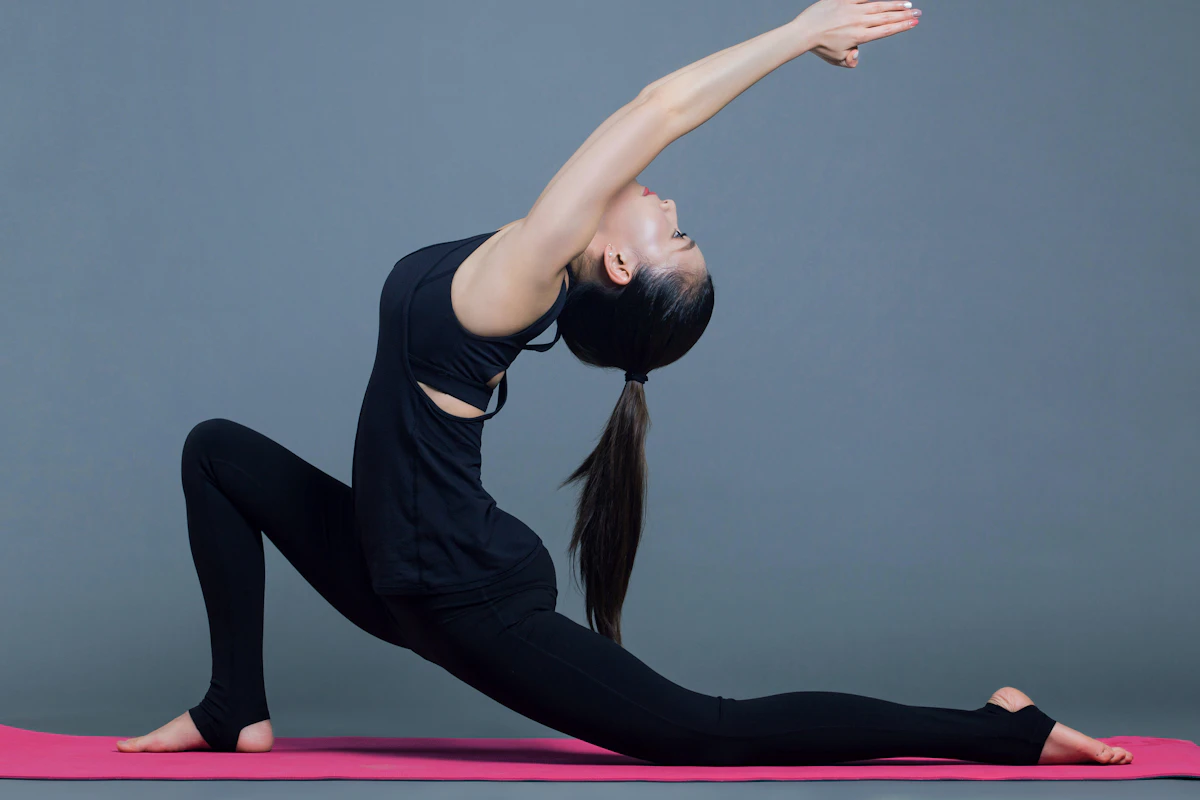
After (about 5 minutes, static): hold each stretch about 30 seconds, at the point of mild discomfort, for the hamstrings, quadriceps, lower back and calves.
For how to stretch before a run, the scoping review supports short dynamic movements over long static holds. For more recovery ideas, see our guide to home fitness and recovery.
Warm up exercises and what is not proven
- Injury prevention. We found no reliable evidence in the pages we could read that stretching before or after prevents injuries. A figure of 54 percent fewer muscle injuries appears in a cited review, but we could not verify it.
- Soreness. None of the sources addressed delayed-onset muscle soreness.
- Stretching alone. The sprint trial did not test stretching without a warm-up, so it does not tell us what stretching does on its own.
- Who should be careful. The sources do not list groups to avoid stretching. If you have an injury, hypermobility or pain when stretching, ask a doctor or physical therapist.
FAQ
Should you stretch before or after a workout?
Use dynamic movements before. Static holds of 30 seconds or more are best after or in a separate session. No study compared the two timings directly for injury or soreness.
What are the best stretches before a workout?
Dynamic ones: leg swings, hip circles, trunk rotations and ankle circles, after a few minutes of light cardio.
Is static stretching bad before exercise?
Not necessarily. Short holds (under about 60 seconds) within a warm-up do not seem harmful. Very long holds before maximal strength work may reduce force slightly.
How long should I hold a stretch?
The trial we read used 30 seconds. Reviews suggest keeping holds under 60 seconds before performance.
Does stretching prevent injury or soreness?
We found no reliable evidence for either in the pages we read.
How should I stretch before a run?
Short dynamic movements. A scoping review suggests avoiding long static holds of 60 seconds or more before running.
This article is for general information and is not medical advice. Talk to a doctor or physical therapist about pain, injury or limited mobility.
Frequently asked questions
This article is for informational purposes only and does not constitute medical advice, diagnosis or treatment. Always consult a qualified healthcare professional before starting any supplement, diet or exercise programme, especially if you are pregnant, nursing, taking medication or have a medical condition. Statements about supplements have not been evaluated by the Food and Drug Administration.
Feel Better With Us Editorial Team
Our editors research every guide from primary sources and update it when the evidence changes. Our editorial standards