
How to Clean a Yoga Mat: A Simple Step-by-Step Guide
To clean a yoga mat, wipe it with a soft cloth and a mix of warm water and a few drops of mild dish soap, rinse with a clean damp cloth, and let it air dry completely before you roll it up. For a personal mat that is the only routine you usually need.
Wash a personal yoga mat with warm water and a few drops of dish soap when it looks dirty, rinse well and air dry it flat. Disinfect only if the mat is shared (for example at a gym) or if you have a skin infection, and check the care label first, because some disinfectants can damage the material. Do not use too much soap, since residue can make the mat slippery. If you have a skin infection, ask a doctor how to handle your mat.
To clean a yoga mat, wipe it with a soft cloth and a mix of warm water and a few drops of mild dish soap, rinse with a clean damp cloth, and let it air dry completely before you roll it up. For a personal mat that is the only routine you usually need.
This guide shows how to clean a yoga mat in five steps, how often to clean it, when disinfecting is worth doing (mainly for shared mats), what to avoid so you do not damage the mat, and how to deal with sweat and odor. It is part of our home fitness guide.
Quick answer
Wash a personal yoga mat with warm water and a few drops of dish soap when it looks dirty, rinse well and air dry it flat. Disinfect only if the mat is shared (for example at a gym) or if you have a skin infection, and check the care label first, because some disinfectants can damage the material. Do not use too much soap, since residue can make the mat slippery. If you have a skin infection, ask a doctor how to handle your mat.
How often should you clean your yoga mat?
Cleveland Clinic's guide to how and why to clean your yoga mat says that a personal mat needs cleaning when it is visibly dirty, for example after an outdoor session. A yoga teacher and retired pediatrician it quotes cleans her mat because it gets dirty, not because she is worried about infection.
A practical routine:
- After sweaty sessions: wipe the mat with a damp cloth and let it dry.
- When it looks or smells dirty: wash it with soap and water, as described below.
- Shared or studio mats: disinfect before and after use (see below).
How to clean a yoga mat in 5 steps
- Read the care label. Different materials need different care, and some cleaners can damage a mat. If there is no label, use the mildest method.
- Mix warm water with a few drops of dish soap. Cleveland Clinic recommends this simple mix. Too much soap leaves residue and may make the mat slippery.
- Wipe both sides with a soft rag. Scrub gently and pay attention to the areas where your hands and feet go.
- Rinse by wiping with a clean damp cloth until no soap is left.
- Air dry flat or hang the mat away from direct sunlight and heat. Do not roll it up while it is wet.
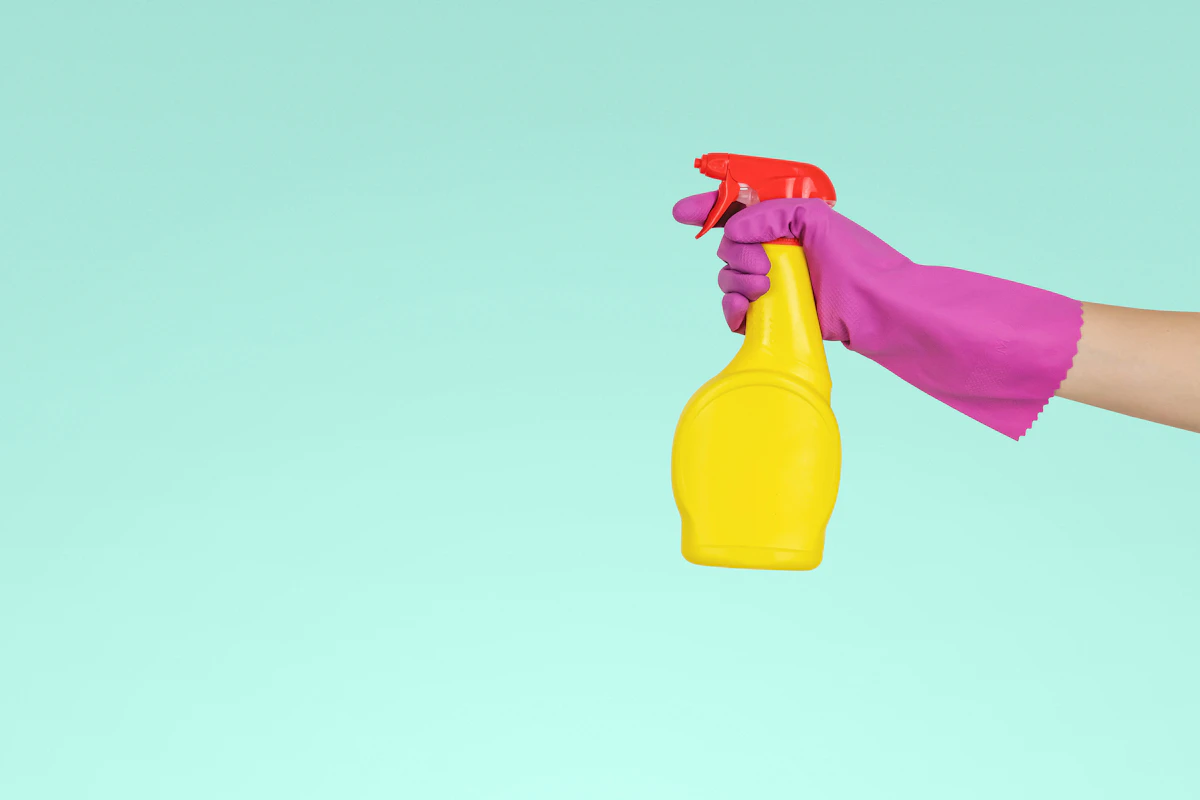
Soap removes dirt and germs but does not kill them, which is the difference between cleaning and disinfecting. For a personal mat used at home, Cleveland Clinic says soap and water is enough.
When should you disinfect a yoga mat?
Cleveland Clinic says disinfecting is needed mainly for shared mats, such as mats at a gym. Germs such as Staphylococcus aureus and herpes simplex can survive on surfaces, so shared mats should be disinfected before use to protect you and again after use to protect others. If a gym provides a spray, use it so you do not damage the mat. You may also want to disinfect your own mat if you have a skin infection, but ask your doctor what to do.
The CDC's guidance for athletic facilities on MRSA prevention says shared equipment should be cleaned after each use and allowed to dry before it is used again, and that cleaning should follow the manufacturer's instructions so the equipment is not damaged. It lists household bleach, detergent-based cleaners and EPA-registered disinfectants as effective against MRSA on surfaces. This guidance is for gyms and teams and does not mention yoga mats, so for home use follow your mat's care label. Wear gloves and follow label directions, and never put cleaners on skin or wounds.
What not to do
- Do not soak the mat in a tub unless the care label allows it.
- Do not use harsh chemicals, bleach or strong disinfectants on a mat unless the maker says it is safe. Cleveland Clinic warns that some disinfectants can destroy a mat depending on its material.
- Do not use too much soap. Residue can make the mat slippery.
- Do not leave it in direct sun or a hot car to dry, which may harm some materials. We did not find a source on this; it is a general precaution.
- Do not roll up a damp mat, which can trap moisture and cause odor.
DIY sprays and natural cleaners
Many people use a spray made from water and a little vinegar or a few drops of essential oil. These can be fine for a quick wipe-down, but they are not tested as disinfectants. If you worry about germs on a shared mat, use a product made for disinfecting and check that it is safe for your mat. Test any new cleaner on a small hidden spot first.
How to get rid of yoga mat odor
- Wipe the mat after every sweaty session and let it dry fully.
- Wash it with mild soap and water, then dry it flat.
- Let it air out in a well-ventilated room before rolling it up.
- Do not use strong fragrances to cover odor, since they can irritate skin and affect grip.
If a mat still smells after washing, it may be time to replace it. See our guide to the <!-- LINK when live: /us/home-fitness/best-yoga-mats | anchor: best yoga mats -->best yoga mats<!-- /LINK -->.
Keep your mat cleaner for longer
- Wash your hands and feet before practice.
- Use a towel on top of the mat for hot or sweaty classes.
- Store the mat rolled up in a dry place.
- Keep pets and shoes off it.
The main infection-prevention advice in Cleveland Clinic's article applies to gyms in general: wash your hands after leaving the gym and avoid touching your face.
When to replace a yoga mat
We did not find a formal rule. Consider replacing your mat if it is peeling, crumbling, has lost its grip or cushioning, or has an odor that does not go away after washing.
FAQ
What is the best way to clean a yoga mat?
Warm water with a few drops of dish soap, a soft cloth, a damp rinse and air drying. This is what Cleveland Clinic recommends for a personal mat.
How often should I clean my yoga mat?
When it is visibly dirty or smells. Wipe it after sweaty sessions. Shared mats should be disinfected before and after use.
Can I put a yoga mat in the washing machine?
Only if the care label says so. Many mats are not made for it. When in doubt, hand wash.
Is it OK to use vinegar on a yoga mat?
A light vinegar mix may be fine for routine wipe-downs on some mats, but check the care label. It is not proven to disinfect.
Do I need to disinfect my own yoga mat?
Usually not. Soap and water is enough for a personal mat, according to Cleveland Clinic, unless you have a skin infection.
How do I dry a yoga mat?
Air dry it flat or hung up, away from direct heat, and do not roll it up until it is completely dry.
This article is for general information and is not medical advice. Talk to a doctor about skin infections, rashes or sores before using shared exercise equipment.
Frequently asked questions
This article is for informational purposes only and does not constitute medical advice, diagnosis or treatment. Always consult a qualified healthcare professional before starting any supplement, diet or exercise programme, especially if you are pregnant, nursing, taking medication or have a medical condition. Statements about supplements have not been evaluated by the Food and Drug Administration.
Feel Better With Us Editorial Team
Our editors research every guide from primary sources and update it when the evidence changes. Our editorial standards