
Home Fitness & RecoveryComparison
Best Yoga Mats: How to Choose by Thickness and Grip
The best yoga mat is one that gives you enough grip, cushioning and stability for the kind of yoga you practice. For most people that means a mat about 3 to 5 millimeters thick with a non-slip surface, in a material you are comfortable with. A thicker mat is gentler on knees, a thinner mat feels steadier in standing poses.
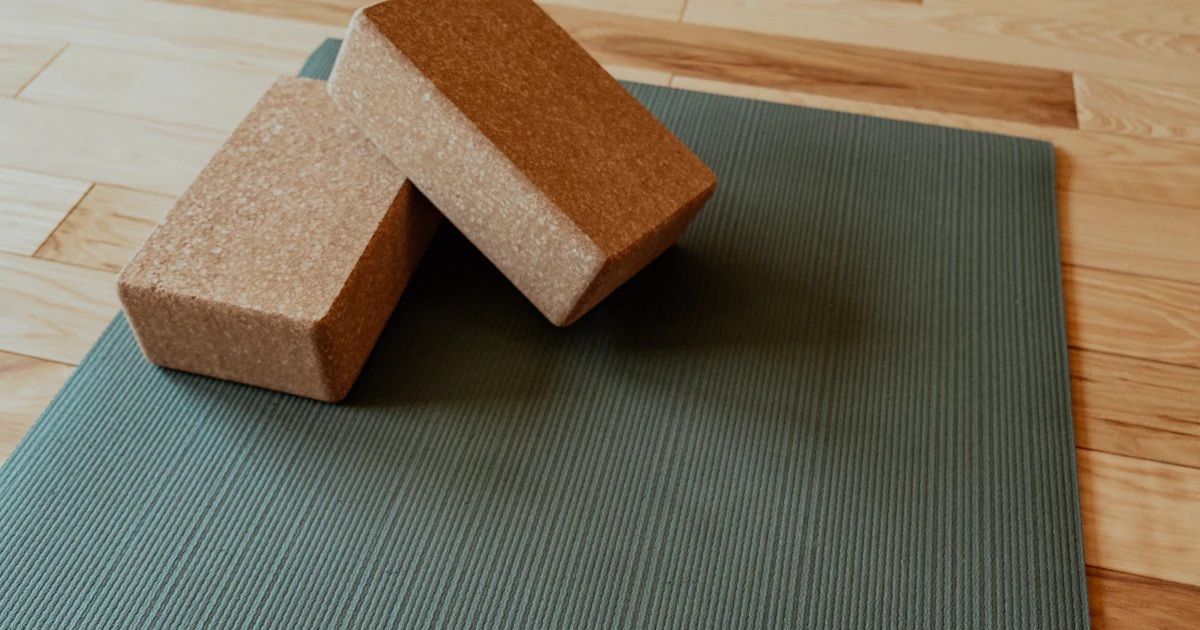
For a general-purpose yoga mat choose about 3 to 5 mm thick (thinner if you travel or practice a lot of standing poses, at least 5 mm if you need joint cushioning), with a textured non-slip surface and a standard size of about 24 by 68 inches or longer if you are tall. Natural rubber is a sticky, more sustainable option that can wear faster, and PVC tends to last longer but is less eco-friendly. If you have a latex allergy, avoid natural rubber.
The best yoga mat is one that gives you enough grip, cushioning and stability for the kind of yoga you practice. For most people that means a mat about 3 to 5 millimeters thick with a non-slip surface, in a material you are comfortable with. A thicker mat is gentler on knees, a thinner mat feels steadier in standing poses.
This guide explains how to choose a yoga mat by thickness, material, grip, size and weight, how to pick a thick yoga mat for joint comfort, how to care for your mat and when to replace it. It is part of our home fitness guide.
Quick answer
For a general-purpose yoga mat choose about 3 to 5 mm thick (thinner if you travel or practice a lot of standing poses, at least 5 mm if you need joint cushioning), with a textured non-slip surface and a standard size of about 24 by 68 inches or longer if you are tall. Natural rubber is a sticky, more sustainable option that can wear faster, and PVC tends to last longer but is less eco-friendly. If you have a latex allergy, avoid natural rubber.
What to look for in a yoga mat
Thickness
Healthline's guide to the best yoga mats explains how thickness changes the feel of the mat:
- About 3 mm: a light, easy-to-carry mat for travel or a lot of standing poses.
- About 4.5 mm or more: more comfortable for restorative and yin yoga, but heavier and less portable.
- At least 5 mm: a good choice if you need cushioning for your joints, such as sensitive wrists or knees.
If you search for a yoga mat thick enough for sore knees, remember that a very thick yoga mat can feel soft, but it can make balancing poses harder because your feet sink into the surface. A thick yoga mat is not always better: choose it for comfort, not to avoid practice.
Material
Healthline says mats are usually made of natural rubber or PVC, often with a textured non-slip surface and extra cushioning. The trade-offs it describes:
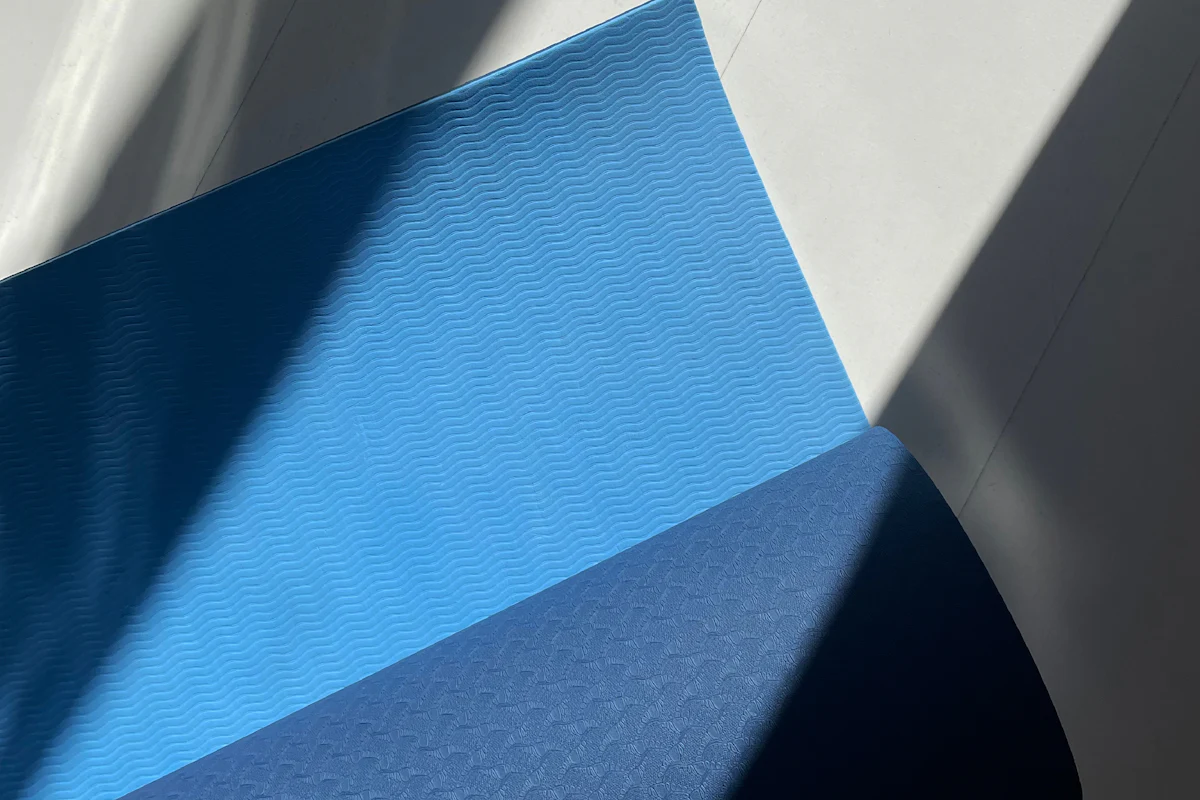
- Natural rubber: a more sustainable choice, with good grip, but it tends to wear out faster than PVC and can have a rubbery smell at first.
- PVC: usually lasts longer, but it is not an eco-friendly material.
- Foam: cushioned and light, but some foam mats can lose their density over time.
- Other materials, such as cork, jute or TPE, are sold as alternatives. We did not find a reliable source comparing them, so check what the maker says and read reviews from people who have used the mat for months.
If you have a latex allergy, avoid natural rubber mats and look for a mat that states it is latex-free. We did not find a source on this specific point, so ask your doctor if you are unsure.
Grip
Healthline says a textured non-slip surface matters most for hot yoga, a lot of standing poses or a hot, humid climate. A mat with good grip keeps your hands and feet from sliding in poses like downward-facing dog. A mat that grips well when dry can become slippery when wet, so some people use a towel on top for sweaty classes.
Size
Most mats are about 25 inches wide and 70 inches long, says Healthline. If you are tall (5 feet 10 inches or more), look for a longer mat so your whole body fits in poses like savasana.
Weight and portability
A thin, light mat is easy to carry to class. A thick mat is heavier, so consider how you will transport it. Many mats come with a strap or a bag, and some are foldable for travel.
Durability
Healthline notes that most quality mats last at least a few years, and suggests reading reviews written several months after purchase to see how a mat holds up and how easy it is to keep clean. Some reviews mention mats that peeled, tore or shed bits after a few months, so durability varies widely.
Best yoga mats by need
We choose by features, not by brand, so you can use these criteria in any store.
<!-- COMPARE CTA SLOT (CTA: compare, product line: Home fitness equipment). One row per need below, rendered ONLY with an active merchant link via /go/{brand}, rel="sponsored nofollow noopener". With no active merchant, render nothing. No ratings, discounts or "clinically proven" badges. -->Best yoga mat for beginners
A mat about 4 to 5 mm thick with a textured surface. It is comfortable for knees and stable enough for standing poses, and it does not cost much.
Best thick yoga mat for sensitive joints
At least 5 mm and up to about 8 mm or more. Choose a dense foam or natural rubber mat that does not feel spongy. Remember that a very thick mat can make balance poses harder.
Best travel yoga mat
A thin, foldable mat of about 1.5 to 3 mm. It is light and packs small, but offers less cushioning. A towel or a thicker pad can help on hard floors.
Best yoga mat for hot yoga
A mat with a highly textured non-slip surface that grips when wet, or a mat plus a grip towel. Look for a surface that is easy to wipe clean.
Best yoga mat for tall people
A longer and wider mat, so your head and feet stay on the mat in lying poses.
Yoga mat care
- Wipe it after use. A damp cloth with a small amount of mild soap and water usually works. Check the maker's instructions, since some materials can be damaged by strong cleaners or sunlight.
- Let it dry fully before you roll it up.
- Do not leave it in a hot car or in direct sun for long periods, which may harm some materials.
- Wash your hands and feet before practice to keep the surface grippy.
We did not find a source on how to clean mats, and our tips are general: always follow the label. See our guide to <!-- LINK when live: /us/home-fitness/how-to-clean-a-yoga-mat | anchor: how to clean a yoga mat -->how to clean a yoga mat<!-- /LINK -->.
When to replace your yoga mat
Healthline gives no formal replacement rule. As a practical guide, replace your mat when:
- it is peeling, crumbling or flaking;
- the grip is gone and you slip in poses;
- it has lost its cushioning and your joints hurt;
- it is dirty in a way you cannot clean, or has a smell that does not go away.
Yoga mat vs other exercise surfaces
A yoga mat is made for yoga and floor exercises, and is usually thinner than a general exercise mat. For floor workouts such as strength training with resistance bands, a thicker exercise mat can be more comfortable. See our guide to <!-- LINK when live: /us/home-fitness/resistance-bands | anchor: resistance bands -->resistance bands<!-- /LINK -->.
FAQ
What thickness is best for a yoga mat?
About 3 to 5 mm for most people. Choose at least 5 mm if you need cushioning for your joints, and about 3 mm or less if you travel a lot.
Are thick yoga mats better?
They are more comfortable for knees and wrists, but heavier and less stable for balance poses. It depends on how you practice.
What is the best material for a yoga mat?
Natural rubber offers a good grip and is more sustainable, but wears faster, according to Healthline. PVC lasts longer but is less eco-friendly. If you have a latex allergy, avoid natural rubber.
How long does a yoga mat last?
Healthline says most quality mats last at least a few years, depending on use and material.
How do I stop my yoga mat from slipping?
Choose a textured, non-slip mat, keep it clean, put it on a flat floor and use a grip towel if you sweat a lot.
Can I use a yoga mat for other exercises?
Yes, for floor exercises like stretching and core work. For high-impact workouts, a thicker exercise mat is more comfortable.
This article is for general information and is not medical advice. Talk to a doctor or physical therapist if you have joint pain or an injury before starting a new exercise.
Frequently asked questions
This article is for informational purposes only and does not constitute medical advice, diagnosis or treatment. Always consult a qualified healthcare professional before starting any supplement, diet or exercise programme, especially if you are pregnant, nursing, taking medication or have a medical condition. Statements about supplements have not been evaluated by the Food and Drug Administration.
Feel Better With Us Editorial Team
Our editors research every guide from primary sources and update it when the evidence changes. Our editorial standards