
Skin CareQ&A
Beef Tallow for Skin: What Dermatologists Say
Beef tallow is rendered cow fat, and used on the skin it works mainly as a heavy moisturizer that seals water in. Dermatologists say there is not enough research to show it does more than that, and it can clog pores. It may suit very dry body skin, but it is a poor choice for acne-prone, oily or sensitive skin.
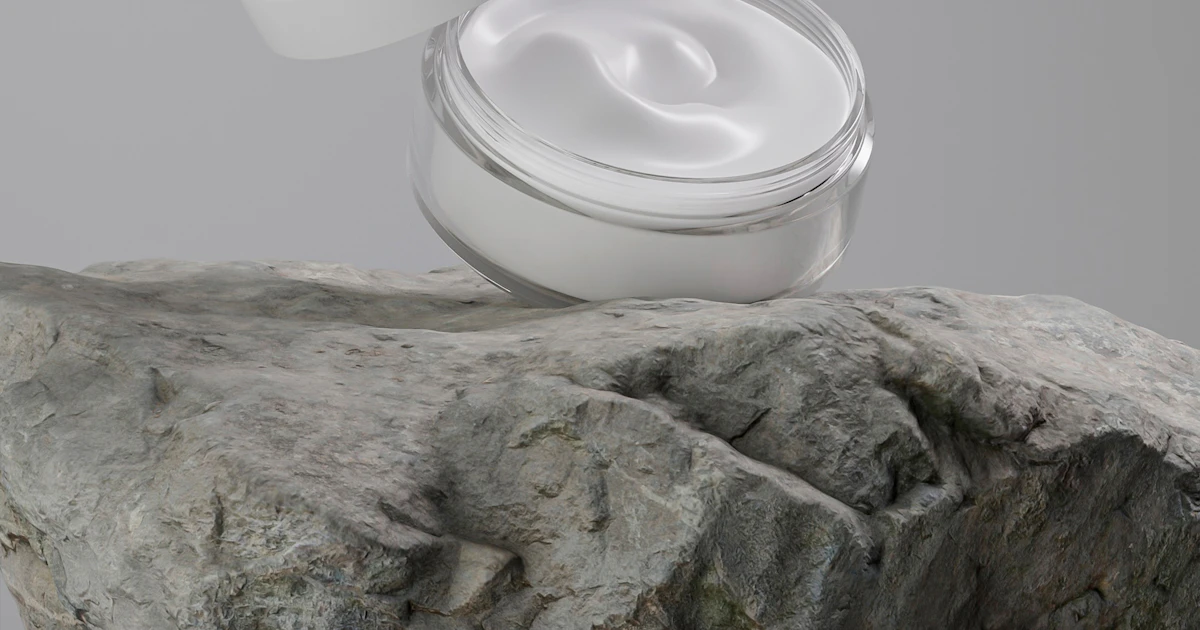
Tallow for skin is a thick, occlusive fat that can soften very dry skin, but there is no solid clinical evidence that it treats acne, wrinkles or eczema. Dermatologists warn it can clog pores, cause breakouts and trigger reactions, and that homemade or small-brand products may be untested for bacteria or stability. If you try it, patch test first, use a small amount on the body rather than the face, and stop if your skin reacts. A plain, fragrance-free moisturizer or petroleum jelly is a better-studied choice.
Beef tallow for skin means rendered cow fat used as a heavy moisturizer, and it works mainly by sealing water in. Dermatologists say there is not enough research to show it does more than that, and it can clog pores. It may suit very dry body skin, but it is a poor choice for acne-prone, oily or sensitive skin.
This guide explains what tallow is, what it may do for skin, the risks, who should avoid it, how to patch test it, and what dermatologists suggest instead. It is part of our skin care guide.
Quick answer
Tallow for skin is a thick, occlusive fat that can soften very dry skin, but there is no solid clinical evidence that it treats acne, wrinkles or eczema. Dermatologists warn it can clog pores, cause breakouts and trigger reactions, and that homemade or small-brand products may be untested for bacteria or stability. If you try it, patch test first, use a small amount on the body rather than the face, and stop if your skin reacts. A plain, fragrance-free moisturizer or petroleum jelly is a better-studied choice.
What is beef tallow?
Cleveland Clinic's article on beef tallow for skin, written by a dermatology resident, describes tallow as pure animal fat from around a cow's kidneys and other organs, melted and purified. It is solid when cool, like shortening. It contains saturated fat, stearic and oleic acid and small amounts of vitamins A, D, E and K. National Geographic adds that some of these fatty acids are also found naturally in human skin. Cleveland Clinic says there is not enough research on how well the vitamins are absorbed through skin.
Why people use tallow on their skin
The trend spread on social media. Claims include a glowy complexion, fewer wrinkles, clearer skin and better barrier repair. A dermatologist quoted by Tufts Medicine said tallow will moisturize skin, because it holds water in. A dermatologist quoted by National Geographic described it as potentially an effective barrier repair product, but said this was theoretical.
Beef tallow for skin: what the evidence shows
- Moisturizing: the one benefit sources agree on. Tallow forms an occlusive layer that can reduce water loss and soften dry skin, like coconut oil.
- Wrinkles and acne: a Tufts dermatologist said claims that it reduces wrinkles or treats acne have less truth to them, and that there is no evidence tallow acts like retinol. Cleveland Clinic says it likely contains too little vitamin A to match retinol.
- Research gaps: National Geographic reports a 2024 literature review that found hydrating properties but unclear best composition, and noted that short and long-term side effects are unknown and that there are significant research gaps. We did not find a large clinical trial in the sources we read.
In short, most of the information comes from dermatologists commenting on a trend, not from controlled studies.
Risks and side effects
-
Clogged pores and breakouts. Tufts calls tallow highly comedogenic. Cleveland Clinic says its thick consistency can keep natural oils from surfacing and increase breakouts. Scripps Health adds that it can aggravate acne, rosacea or seborrheic dermatitis.
-
Irritation and allergy. Cleveland Clinic says it may cause allergic reactions even without a beef allergy. Added fragrance or essential oils, often used to hide the smell, can irritate; Tufts notes many people are sensitive to them.
-
Heat and sun. Cleveland Clinic says heavy products can lock in heat and worsen rosacea, and that tallow is not known to protect against the sun.
-
Contamination and quality. Tallow has no preservatives and may spoil or go rancid. National Geographic quotes a dermatologist on the risk of pathogens or pesticides if tallow is not properly sourced or processed, and notes it is not regulated as a skincare product. Scripps says improperly rendered or stored fat can grow bacteria and that many small-brand products lack microbial or stability testing.
Who should avoid tallow
According to Scripps Health, avoid it if you have acne-prone, oily, combination, sensitive or reactive skin, a history of clogged pores or cystic acne, active breakouts or infection, broken skin, or skin after a recent laser treatment. Several dermatologists suggest body use only, not the face. If you have eczema, Scripps says some people get short-term relief, but dermatologists urge caution and recommend well-studied treatments for chronic conditions. See a dermatologist for eczema or rosacea.
How to patch test and use it
If you still want to try tallow, Scripps suggests:
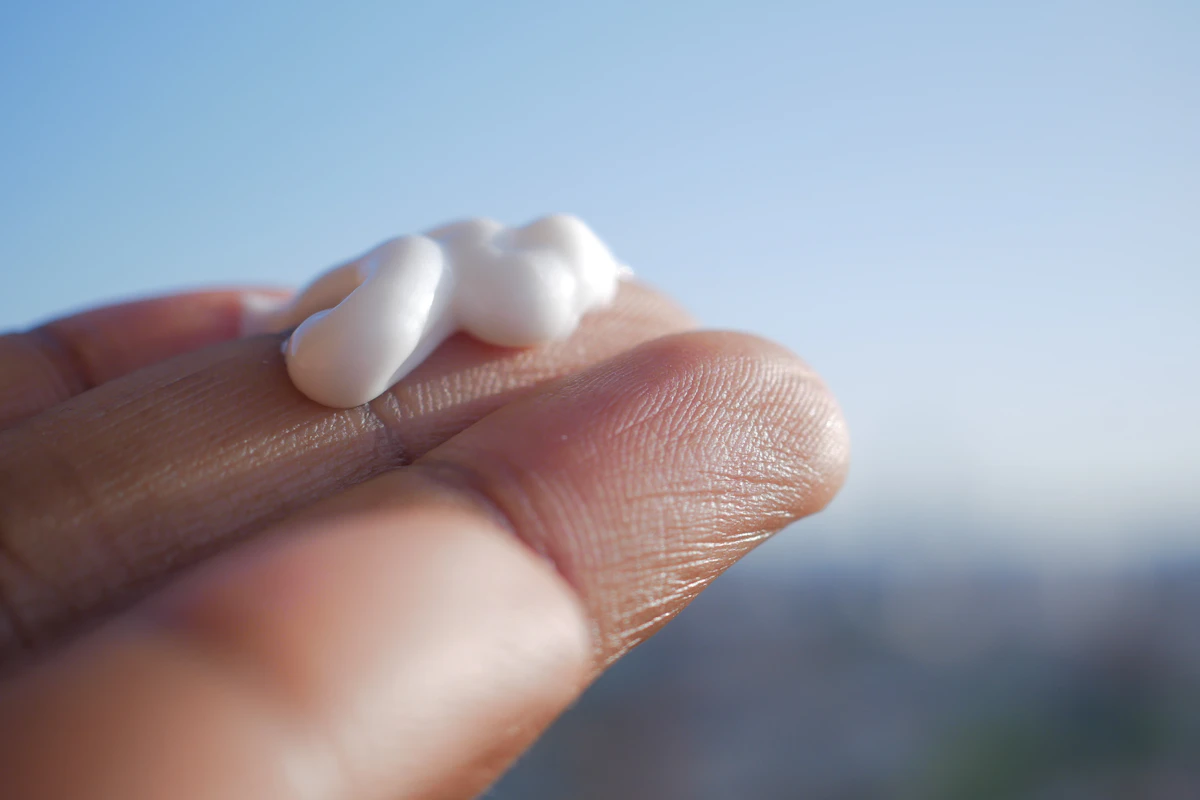
- Apply a small amount to one spot for a day or two. Watch for redness, itching, burning or bumps.
- Use a pea-sized amount on clean, dry skin.
- Avoid acne-prone areas and broken skin.
- Stop if your skin reacts.
Choose a product with an ingredient list you can read, and check the source. National Geographic reports that commercial tallow balms can cost over $30 for a couple of ounces, and that some people render their own. We would not recommend making it at home.
What to use instead
Dermatologists quoted in our sources point to better-studied options:
- Fragrance-free moisturizers with humectants, occlusives and emollients (Cleveland Clinic).
- Petroleum jelly for dry, cracked skin, and ingredients such as ceramides, squalane and shea butter.
- Plant oils such as jojoba, squalane and sunflower seed oil (Scripps).
- Over-the-counter retinol for wrinkles, or bakuchiol as a plant-based alternative (Tufts).
For dry skin that needs more than a basic cream, see our guide to a barrier repair cream, and our article on ceramides and the skin barrier.
When to see a dermatologist
Talk to a dermatologist before using tallow or any new heavy product if you have eczema, rosacea, acne or very sensitive skin, or if your skin is painful, cracked, infected or does not improve after a few weeks of gentle care.
FAQ
Is beef tallow good for skin?
It can soften very dry skin because it is occlusive, but there is little evidence for other benefits, and it can clog pores and cause reactions.
Is beef tallow good for your face?
Most dermatologists in our sources advise against it on the face, especially for acne-prone, oily or sensitive skin.
Does tallow help wrinkles?
There is no evidence that it works like retinol. A Tufts dermatologist said claims that it reduces wrinkles have less truth to them.
Can tallow cause acne?
Yes, it can. Sources describe it as highly comedogenic and note it can worsen breakouts in some people.
Is tallow better than regular moisturizer?
There is no evidence that it is. Fragrance-free moisturizers and petroleum jelly are better studied.
Is homemade tallow safe?
We would not recommend it. Rendered fat without preservatives can spoil or grow bacteria, and home products are not tested.
Related guides: ceramides and the skin barrier and hyaluronic acid and skin hydration.
This article is for general information and is not medical advice. Talk to a dermatologist about acne, eczema, rosacea or skin that reacts to a product.
Frequently asked questions
This article is for informational purposes only and does not constitute medical advice, diagnosis or treatment. Always consult a qualified healthcare professional before starting any supplement, diet or exercise programme, especially if you are pregnant, nursing, taking medication or have a medical condition. Statements about supplements have not been evaluated by the Food and Drug Administration.
Feel Better With Us Editorial Team
Our editors research every guide from primary sources and update it when the evidence changes. Our editorial standards