
Skin CareComparison
The Best Skincare for Oily Skin
The best skincare for oily skin is simpler than most shelves suggest: a gentle cleanser, a light exfoliant a few times a week, a niacinamide serum, an oil-free moisturizer and a sunscreen that does not feel greasy. The goal is to balance oil, not strip it, because harsh products can leave skin irritated and looking shinier.
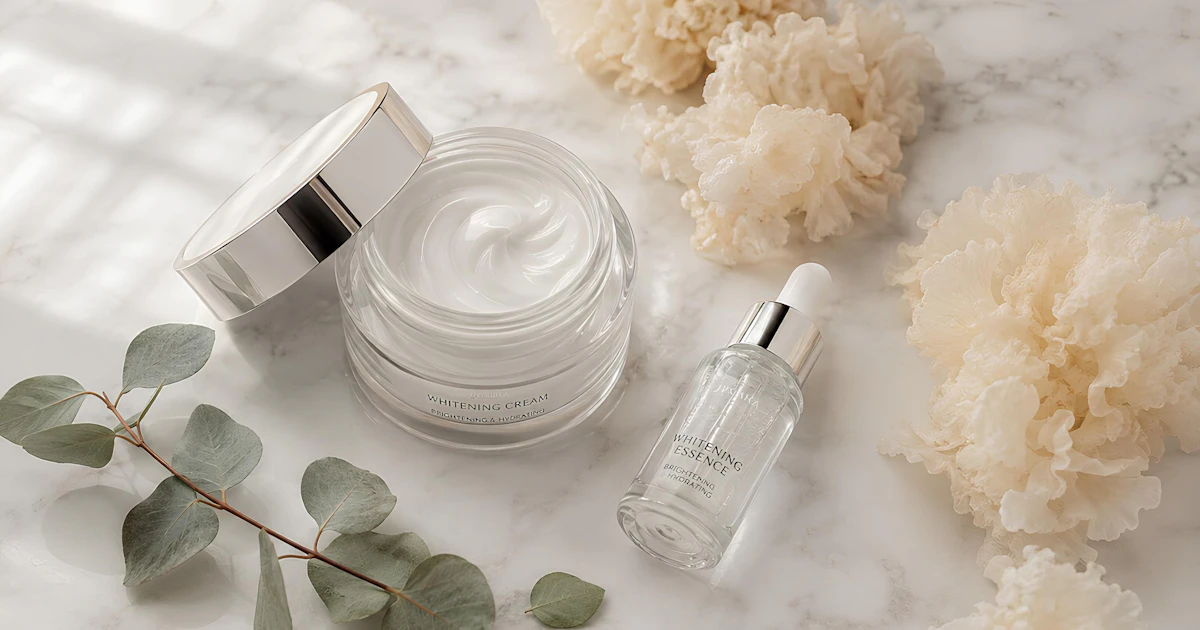
For oily skin, wash twice a day with a gentle foaming or gel cleanser, use a salicylic acid (BHA) exfoliant two or three times a week, add a niacinamide serum, finish with an oil-free gel moisturizer and wear a non-comedogenic sunscreen every morning. Skip harsh scrubs and alcohol-heavy toners: over-stripping can irritate skin and make shine worse.
The best skincare for oily skin is simpler than most shelves suggest: a gentle cleanser, a light exfoliant a few times a week, a niacinamide serum, an oil-free moisturizer and a sunscreen that does not feel greasy. The goal is to balance oil, not strip it, because harsh products can leave skin irritated and looking shinier.
Below you will find a morning and evening routine, picks by step based on the ingredient that earns each product its place, what to avoid and when to see a dermatologist. If you are just starting out, our skincare routine basics explain the order of steps.
Quick answer
For oily skin, wash twice a day with a gentle foaming or gel cleanser, use a salicylic acid (BHA) exfoliant two or three times a week, add a niacinamide serum, finish with an oil-free gel moisturizer and wear a non-comedogenic sunscreen every morning. Skip harsh scrubs and alcohol-heavy toners: over-stripping can irritate skin and make shine worse.
Oily skin is common and not a problem in itself. Many people with oily skin also find their skin shows fine lines later, because oil helps keep it supple.
What causes oily skin?
Oily skin comes from sebaceous glands that produce more sebum than average. The main reasons:
- Genetics. Oily skin tends to run in families, and you may have larger visible pores.
- Hormones. Androgens increase oil production. That is why oiliness often peaks in the teenage years and can change with the menstrual cycle, pregnancy or menopause.
- Climate. Heat and humidity make skin look oilier. Many people notice more shine in summer.
- Age. Oil production generally decreases with age.
- Over-cleansing. Washing too often or with harsh products can irritate skin and leave it feeling tight, and many people respond by reaching for even stronger products.
People sometimes describe their skin as "oily to oily", meaning oily all over rather than only in the T-zone (forehead, nose, chin). If only your T-zone is shiny and your cheeks are normal or dry, you have combination skin, and you may want lighter products on the T-zone only.
The American Academy of Dermatology has a short guide to controlling oily skin that matches the routine below.
The best skincare routine for oily skin
<!-- IN-BODY IMAGE: see "Images" below. -->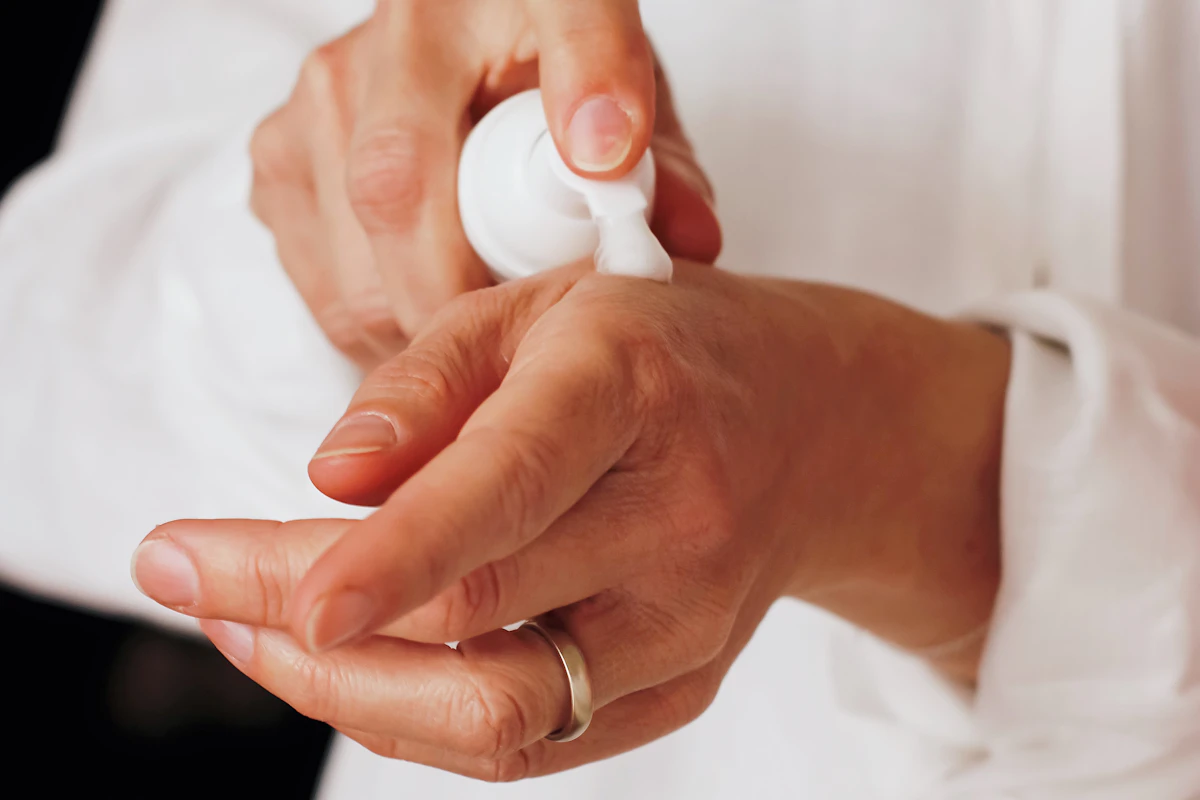
Here is the best skincare routine for oily skin in its simplest form. Start with the basics and add one new product at a time, two weeks apart, so you can tell what works.
| Step | Morning | Evening |
|---|---|---|
| 1. Cleanse | Gentle foaming or gel cleanser | Same cleanser (double cleanse if wearing sunscreen or makeup) |
| 2. Exfoliate | Skip | BHA (salicylic acid) 2 to 3 nights a week |
| 3. Treat | Niacinamide serum | Niacinamide serum, or a retinoid on non-BHA nights |
| 4. Moisturize | Oil-free gel moisturizer | Oil-free gel or light lotion |
| 5. Protect | Non-comedogenic SPF 30+ | Skip |
Cleanse
Wash in the morning, at night and after sweating, as the AAD advises. Use lukewarm water and your fingertips; skip rough washcloths.
Exfoliate
A leave-on salicylic acid product helps clear oil from inside pores. Start with two nights a week.
Treat
Niacinamide is a versatile, well-tolerated ingredient. A retinoid can come later, once your skin is used to the routine.
Moisturize
Yes, oily skin needs moisturizer too. A light, oil-free formula keeps the barrier healthy without adding shine.
Protect
Sunscreen every morning, even on cloudy days. Choose "oil-free" or "non-comedogenic" on the label.
Our picks by step
<!-- COMPARE CTA (CTA: compare, product line: Skincare products). The comparison component lists product name, best for, key specs and a "Check price" button for each pick ONLY when an active merchant link exists via /go/{brand}, rel="sponsored nofollow noopener". With no active merchant, render nothing. No ratings, review counts, discounts or urgency. -->We chose these by ingredient and texture, not by brand. Each pick tells you what to look for on the label so you can find a match at any price.
Best face wash for oily skin
Pick 1: Gentle foaming cleanser. Look for a fragrance-free foaming or gel formula with mild surfactants. It removes oil without leaving skin tight. Good for daily use, morning and night. Read more about the <!-- LINK when live: /us/skin-care/gentle-foaming-cleanser-for-oily-skin | anchor: gentle foaming cleanser for oily skin -->gentle foaming cleanser for oily skin<!-- /LINK -->.
Pick 2: Salicylic acid cleanser. A wash with 0.5% to 2% salicylic acid, the range allowed for over-the-counter acne products under FDA rules. Useful if you also get blackheads or breakouts. Use once a day at first; it can dry skin.
Not sure which to choose? See <!-- LINK when live: /us/skin-care/face-wash | anchor: how to choose a face wash -->how to choose a face wash<!-- /LINK -->.
Best exfoliant for oily skin
Pick 1: Leave-on BHA liquid or gel (around 2% salicylic acid). Salicylic acid is oil-soluble, so it works inside pores. Apply after cleansing, two or three nights a week.
Pick 2: Clay mask. A kaolin or bentonite clay mask once a week absorbs surface oil. A good option if acids irritate you.
Best serum for oily skin
Pick 1: Niacinamide serum (2% to 5%). In a small study, a 2% niacinamide product reduced the rate of facial sebum production over several weeks. It also helps the look of pores and uneven tone. Higher percentages are not always better and can irritate some people.
Pick 2: Retinoid serum (retinol, or adapalene gel). Retinoids help skin turn over and keep pores clear. Start two nights a week and build up. Adapalene 0.1% is available over the counter in the US. Do not use retinoids if you are pregnant or trying to conceive without asking your doctor.
Best moisturizer for oily skin
Pick 1: Oil-free gel moisturizer. Look for a water-based gel with humectants like glycerin or hyaluronic acid. It hydrates with almost no residue. This is the best moisturizer for oily skin for most people, especially in summer.
Pick 2: Lightweight lotion. A good lotion for oily skin is fluid, labeled non-comedogenic and often contains niacinamide or ceramides. A better choice in winter or if your skin also feels tight. If you search for an oily skin moisturizer, these two textures are the ones to try first.
Best sunscreen for oily skin
Pick 1: Oil-free gel or fluid sunscreen, SPF 30 or higher. Broad-spectrum, labeled non-comedogenic. Gel and fluid textures absorb fast and leave less shine.
Pick 2: Mineral sunscreen with a matte finish. Zinc oxide formulas often look less shiny and suit sensitive skin. Tinted versions avoid a white cast.
Ingredients to look for and avoid
Look for
- Salicylic acid (BHA): clears oil from inside pores.
- Niacinamide: helps the look of oiliness, pores and tone; generally gentle.
- Retinoids: keep pores clear over time; introduce slowly.
- Clay (kaolin, bentonite): absorbs surface oil in masks.
- Humectants (glycerin, hyaluronic acid): hydrate without heaviness.
- "Non-comedogenic" or "oil-free" labels: a helpful starting point, though not a guarantee.
Avoid or use carefully
- Heavy occlusives such as thick balms or petrolatum-rich creams on the face, unless your skin is also very dry.
- Alcohol-heavy toners that feel tingly and tight. They strip the skin and can irritate it.
- Gritty scrubs. They can irritate and do not reach inside pores.
- Too many actives at once. Using a BHA, a retinoid and a strong vitamin C on the same night is a common cause of redness.
Mistakes that make oily skin worse
- Washing too often. Twice a day plus after sweating is enough.
- Skipping moisturizer. Dehydrated skin can look both oily and flaky.
- Using too many actives. Introduce one new product at a time.
- Touching your face and picking. It spreads oil and bacteria and can leave marks.
- Using blotting papers as your only fix. They help during the day, but a routine does the real work.
- Sleeping in makeup or sunscreen. Cleanse every night.
When to see a dermatologist
A dermatologist oily skin consultation makes sense if:
- you have persistent acne, painful cysts or breakouts that leave marks;
- your oiliness changed suddenly, especially together with other changes such as irregular periods, unwanted hair growth or weight gain;
- over-the-counter products have not helped after about three months of steady use.
A dermatologist can suggest prescription options that are not available over the counter.
Oily skin routine by season and budget
Summer
Heat and humidity mean more shine. Switch to the lightest gel moisturizer you have, use a fluid or gel sunscreen and keep blotting papers in your bag. You may want to use your BHA an extra night a week.
Winter
Cold air and heating can leave oily skin dehydrated: shiny on the surface but tight underneath. Use a lightweight lotion instead of a gel, cut back exfoliation if you see flaking, and avoid hot water.
On a budget
You only need three products to start: a gentle cleanser, an oil-free moisturizer and a non-comedogenic SPF. Add a niacinamide serum or a BHA later. Drugstore formulas often contain the same key ingredients as expensive ones; check the ingredient list, not the price.
How long until you see results?
Give any new routine at least four to six weeks before judging. Skin needs time to adjust, and the oil-control effects of ingredients like niacinamide and salicylic acid build gradually. Retinoids can take two to three months. If you start several products at once and your skin reacts, you will not know which one caused it, so add one product at a time.
Oily skin myths
- "Oily skin does not need moisturizer." It does. Skipping it can leave skin dehydrated and irritated.
- "Washing more often removes oil for good." Over-washing irritates skin and does not reduce oil production.
- "Oily skin does not need sunscreen." Everyone needs sunscreen. Oily skin just needs a lighter texture.
- "Alcohol toners are the best way to control shine." They give a temporary matte feel but can irritate and dry the skin.
- "Oily skin means dirty skin." Oil production is mostly about genetics and hormones, not hygiene.
FAQ
Should oily skin use moisturizer?
Yes. Even oily skin needs water to keep its barrier healthy. Choose an oil-free, non-comedogenic gel or light lotion. The AAD also explains why moisturizer matters if you have acne.
Is oily skin more acne-prone?
Often, yes. Extra oil can mix with dead skin cells and clog pores, which sets the stage for blackheads and breakouts. But not everyone with oily skin gets acne, and acne has other causes too. For persistent acne, see a dermatologist.
What is the best lotion for oily skin?
A lightweight, oil-free, non-comedogenic lotion or gel. Look for glycerin or hyaluronic acid for hydration and niacinamide for oil control. Avoid heavy creams with lots of oils or butters on the face.
Is "oily skin skin" care different for men?
Not really. Oily skin skin care works the same way for everyone: gentle cleansing, light hydration and sunscreen. Men who shave may want an alcohol-free aftershave product to avoid irritation.
Do blotting papers help oily skin?
Yes, for a quick fix during the day. Press, do not rub, so you do not disturb your sunscreen or makeup. They do not change how much oil your skin makes.
Does diet affect oily skin?
The evidence is limited. Some research links high-glycemic diets and milk to acne in some people, but there is no clear proof that a specific diet changes oil production. If you notice a pattern, keep a simple food and skin diary and talk to a dermatologist.
Related guides: zinc and oil production and niacinamide for uneven skin tone.
This article is for general information and is not medical advice. Talk to a dermatologist about persistent acne or skin changes.
Frequently asked questions
This article is for informational purposes only and does not constitute medical advice, diagnosis or treatment. Always consult a qualified healthcare professional before starting any supplement, diet or exercise programme, especially if you are pregnant, nursing, taking medication or have a medical condition. Statements about supplements have not been evaluated by the Food and Drug Administration.
Feel Better With Us Editorial Team
Our editors research every guide from primary sources and update it when the evidence changes. Our editorial standards