
Skin CareGuide
Face Wash: How to Choose the Best One for Your Skin
The right face wash cleans without leaving your skin tight, red or shiny an hour later. The easiest way to find it is to match the cleanser type to your skin type: cream for dry skin, gel or foam for oily skin, fragrance-free for sensitive skin.

Choose a face wash by skin type: a creamy, non-foaming cleanser for dry skin, a gel or foaming cleanser for oily skin, and a fragrance-free, gentle formula for sensitive skin. Acne-prone skin can use a wash with salicylic acid or benzoyl peroxide. Wash twice a day and after sweating, with lukewarm water and your fingertips, then pat dry and moisturize.
The right face wash cleans without leaving your skin tight, red or shiny an hour later. The easiest way to find it is to match the cleanser type to your skin type: cream for dry skin, gel or foam for oily skin, fragrance-free for sensitive skin.
This guide walks you through the main types of face wash, the best face wash by skin type (sensitive, oily, dry, acne-prone, aging and men's skin), a dermatologist-style washing method and how often to wash. It is the first step of any skincare routine.
Quick answer
Choose a face wash by skin type: a creamy, non-foaming cleanser for dry skin, a gel or foaming cleanser for oily skin, and a fragrance-free, gentle formula for sensitive skin. Acne-prone skin can use a wash with salicylic acid or benzoyl peroxide. Wash twice a day and after sweating, with lukewarm water and your fingertips, then pat dry and moisturize.
Types of face wash
| Type | Texture | Best for | Notes |
|---|---|---|---|
| Gel cleanser | Clear gel, light lather | Oily, combination, acne-prone | Feels fresh; can be drying if harsh |
| Foaming cleanser | Rich foam | Oily and normal skin | Choose gentle surfactants to avoid tightness |
| Cream or lotion cleanser | Creamy, little or no foam | Dry, sensitive, mature skin | Leaves a soft feel; rinse well |
| Micellar water | Water-like, no rinse needed | Sensitive skin, makeup removal | Good first step; many people still rinse |
| Oil or balm cleanser | Oil that emulsifies with water | Removing sunscreen and makeup, dry skin | Often used as the first step of a double cleanse |
| Medicated cleanser | Gel or cream with an active | Acne-prone skin | Salicylic acid or benzoyl peroxide; can dry or irritate |
A note on medicated cleansers: acne washes with salicylic acid or benzoyl peroxide are over-the-counter drugs in the US, so they carry a Drug Facts label with directions and warnings. Follow it: start once a day, avoid the eyes, and stop if your skin becomes very red or irritated. Benzoyl peroxide can bleach towels and pillowcases.
Best face wash by skin type
<!-- PRODUCT BOX SLOT (CTA: productbox, product line: Skincare products). One box per skin type below, rendered ONLY with an active merchant link via /go/{brand}, rel="sponsored nofollow noopener". With no active merchant, render nothing. No ratings, discounts or "clinically proven" badges. -->We chose by cleanser type and ingredients, not by brand, so you can apply these criteria to any product.
Best face wash for sensitive skin
What to look for: a fragrance-free, non-foaming or low-foaming cream or gel with a short ingredient list. Glycerin and ceramides are good signs. Avoid fragrance, essential oils, alcohol, scrubs and strong acids.
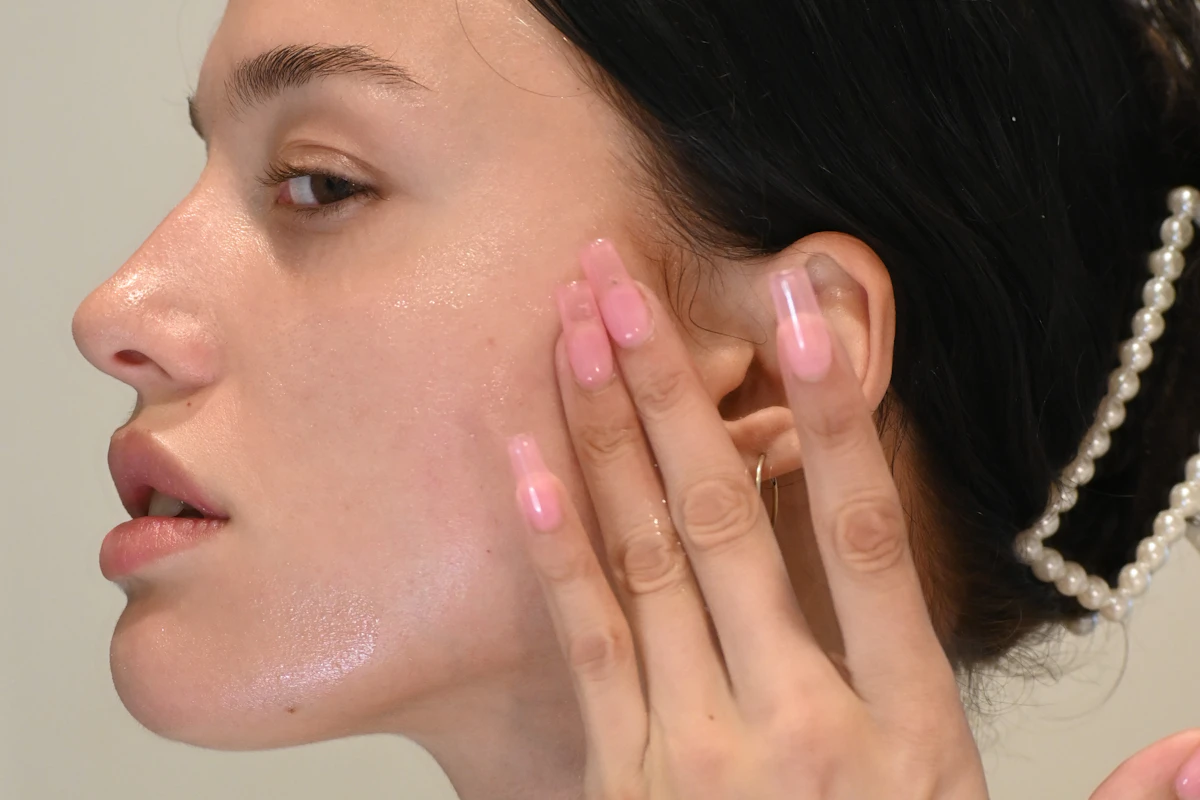
Why: a face wash for sensitive skin should remove dirt and sunscreen without disturbing the skin barrier. If your skin stings after washing, the cleanser is too strong.
Tip: micellar water is a gentle option on days when your skin feels reactive.
Best face wash for oily skin
What to look for: a gentle gel or foaming cleanser that removes oil without leaving skin tight. Salicylic acid in a cleanser can help if you also get blackheads.
Why: stripping oily skin can leave it irritated and looking shinier. For the full routine, see our guide to the <!-- LINK when live: /us/skin-care/best-skincare-for-oily-skin | anchor: best skincare for oily skin -->best skincare for oily skin<!-- /LINK -->.
Best face wash for dry skin
What to look for: a creamy, hydrating cleanser with glycerin, ceramides or plant oils, and little or no foam. Oil or balm cleansers also suit dry skin.
Why: a face wash for dry face skin should leave it soft, not squeaky. If you feel tight after rinsing, switch to a richer formula or wash only with water in the morning. The best face wash for dry skin is often the one you barely notice.
Best face wash for acne-prone skin
What to look for: a gel or cream with salicylic acid (0.5% to 2%) or benzoyl peroxide (2.5% to 10%), the ranges allowed for over-the-counter acne products under FDA rules. Lower strengths are often enough and irritate less. Pair it with a gentle, oil-free moisturizer.
Why: these actives help clear pores, but they are only part of acne care. For stubborn or painful acne, see a dermatologist. Our <!-- LINK when live: /us/skin-care/best-acne-treatments | anchor: acne treatments guide -->acne treatments guide<!-- /LINK --> explains the options.
Best face wash for aging skin
What to look for: a gentle, hydrating cream or milk cleanser that does not strip the skin. Mature skin tends to be drier and more fragile.
Why: the best face wash for aging skin supports the rest of your routine (retinoids, vitamin C, sunscreen) by not adding irritation. Save anti-aging actives for leave-on products, where they have time to work. The AAD's guide to skin care in your 40s and 50s also stresses gentle cleansing.
Best face wash for men
What to look for: the same rules apply to men's skin. Choose by skin type, not by the label "for men". If you shave, a gentle, fragrance-free cleanser before shaving softens hair and can reduce irritation.
Why: men's skin is often oilier, so gel or foaming cleansers are common picks. The AAD has skin care tips for men that cover cleansing and shaving.
How to wash your face (dermatologist method)
<!-- IN-BODY IMAGE: see "Images" below. -->These steps follow the American Academy of Dermatology's face washing advice:
- Wet your face with lukewarm water. Hot water can strip and irritate the skin.
- Use a gentle, non-abrasive cleanser. Alcohol-free is better for most skin.
- Apply with your fingertips. Washcloths, mesh sponges and rough pads can irritate.
- Massage gently for about 30 to 60 seconds. Cover forehead, nose, chin, along the jaw and the hairline.
- Rinse with lukewarm water until no cleanser is left.
- Pat dry with a soft, clean towel. Do not rub.
- Apply moisturizer while skin is still slightly damp, plus sunscreen in the morning.
Do not scrub. Scrubbing irritates skin and can make acne and sensitivity worse.
How often should you wash your face?
The AAD suggests washing your face twice a day, morning and night, and after sweating. Washing more than that tends to dry and irritate the skin.
Do you need to cleanse in the morning? If your skin is dry or sensitive, a splash of lukewarm water may be enough in the morning, with a proper cleanse at night to remove sunscreen, makeup and the day's oil. If your skin is oily, a morning wash usually feels better.
Ingredients to look for and avoid in a face wash
Good signs on the label
- Mild surfactants such as cocamidopropyl betaine, decyl glucoside or sodium cocoyl isethionate. They clean without the squeaky feel of harsher detergents.
- Glycerin and other humectants that keep skin from feeling tight after rinsing.
- Ceramides, which support the skin barrier, especially useful for dry and sensitive skin.
- Niacinamide, a well-tolerated extra in many gentle cleansers.
- "Fragrance-free" and "non-comedogenic" claims, which are helpful starting points if your skin is sensitive or breakout-prone.
Ingredients to use with care
- Fragrance and essential oils. Common causes of irritation and allergy on the face.
- High amounts of drying alcohol near the top of the ingredient list.
- Gritty scrub particles. They can cause tiny tears and irritation. A gentle chemical exfoliant used a few times a week is usually kinder.
- Bar soap made for the body. Many soaps are alkaline and can leave facial skin feeling tight. Some gentle "syndet" bars are designed for the face and are fine.
Signs your face wash is wrong for you
Your cleanser should leave skin clean, comfortable and calm. Switch to a gentler formula if you notice any of these within a few days of starting a new one:
- skin feels tight, itchy or "squeaky" right after rinsing;
- redness, stinging or burning, especially around the nose and mouth;
- new flaking or dry patches;
- skin that looks shinier by midday than it used to, a sign you may be over-stripping;
- small bumps or breakouts that were not there before.
Introduce one new product at a time, so you know which one is the cause. If irritation does not settle within a week or two after stopping, see a dermatologist.
FAQ
Do you need a face wash, or is water enough?
Water alone removes sweat and some dirt, but not sunscreen, makeup or oil. A gentle cleanser at night is a good idea for most people. In the morning, water alone can be fine if your skin is dry.
Can you use body wash on your face?
It is better not to. Body washes are often stronger and more fragranced than face cleansers, and the skin on your face is thinner and more prone to irritation. A gentle, fragrance-free body wash will not harm you once in a while, but a face wash is designed for the job.
Is double cleansing necessary?
Not for everyone. Double cleansing, an oil or balm cleanser followed by a regular face wash, helps remove heavy makeup or water-resistant sunscreen. If you wear light makeup or none, one gentle cleanse is usually enough.
How long does a face wash last?
Most face washes keep for about a year after opening. Check the open-jar symbol on the pack (for example "12M") and any expiration date, especially on medicated washes.
Should you use a different face wash in winter?
Many people do. Cold air and indoor heating dry the skin, so a creamier cleanser often feels better in winter, while a gel or foam suits summer. You can also keep your usual cleanser and wash with water only in the morning when it is cold.
Are cleansing brushes good for your face?
They can be too much for sensitive or acne-prone skin, and the AAD advises washing with your fingertips. If you like a brush, use the softest setting, not every day, and keep the head clean.
Does the pH of a face wash matter?
Healthy skin is slightly acidic. Gentle cleansers that are close to the skin's natural pH tend to feel less drying than very alkaline soaps. You rarely see the pH on the label, so judge by how your skin feels after washing.
Related guides: ceramides and the skin barrier and zinc and oil production.
This article is for general information and is not medical advice. Talk to a dermatologist about persistent acne, irritation or skin changes.
Frequently asked questions
This article is for informational purposes only and does not constitute medical advice, diagnosis or treatment. Always consult a qualified healthcare professional before starting any supplement, diet or exercise programme, especially if you are pregnant, nursing, taking medication or have a medical condition. Statements about supplements have not been evaluated by the Food and Drug Administration.
Feel Better With Us Editorial Team
Our editors research every guide from primary sources and update it when the evidence changes. Our editorial standards