
Ceramides and the Skin Barrier: The Lipid Story Behind Healthy Skin
Ceramides are the lipids that hold your skin barrier together — and they are increasingly available as both topical and oral supplements.
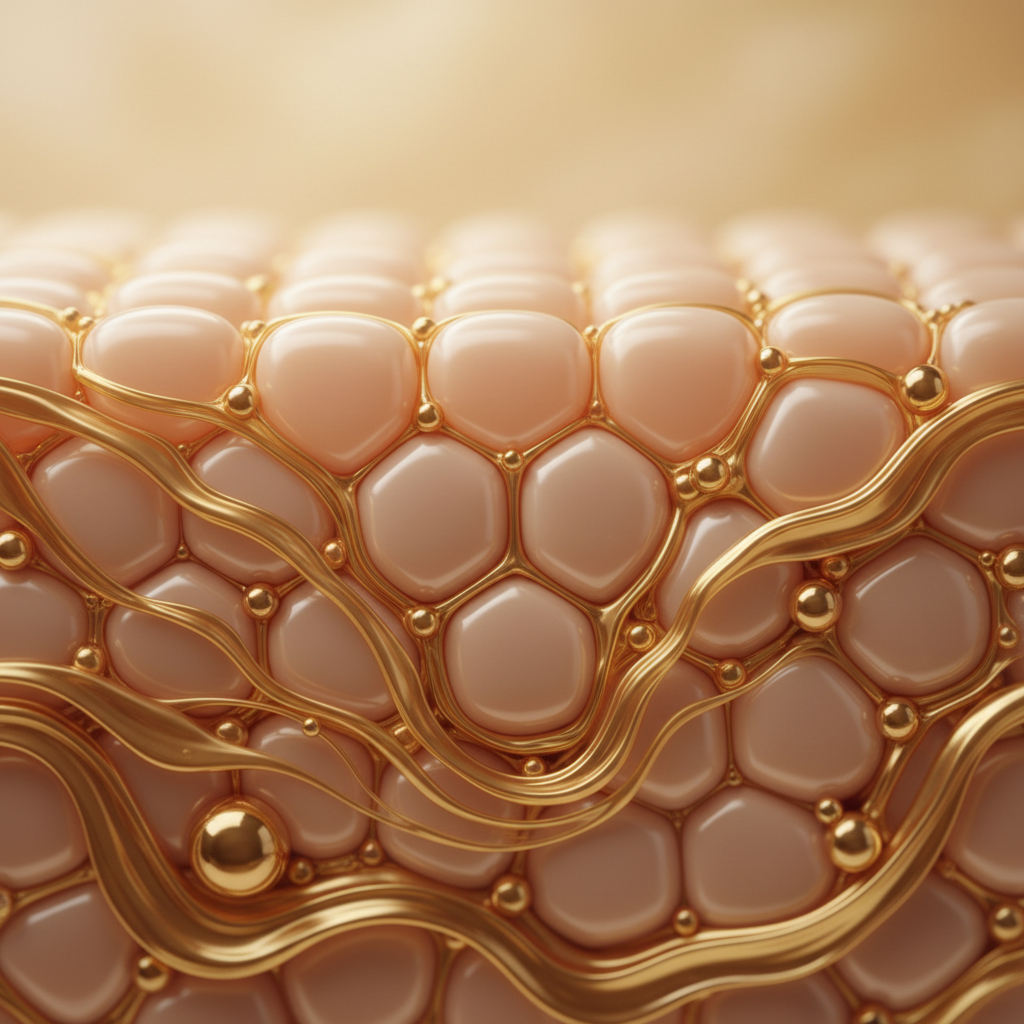
The skin barrier is, at its core, a lipid structure. Between the cells of the outermost skin layer (stratum corneum) sits a complex matrix of fats — ceramides, cholesterol, and fatty acids — arranged in carefully ordered layers. This matrix is what keeps water in and irritants out.
When the lipid matrix degrades, the barrier fails. The visible consequences include dryness, sensitivity, redness, and accelerated visible aging. Treating skin without addressing the barrier is treating the symptom rather than the cause.
What ceramides do
Ceramides are the dominant lipid class in the stratum corneum, making up approximately 50% of the lipid matrix. They form lamellar (layered) structures with cholesterol and fatty acids — the architecture that creates the barrier function.
There are at least nine different ceramide subtypes in human skin, each with slightly different chemistry and function. The diversity matters: barrier formation requires multiple ceramide types working together, not just any single one.
Treating skin without addressing the barrier is treating the symptom. Ceramides are the foundation we keep returning to.
— Dr. Peter Elias, MD, UCSF
Why barrier matters
A healthy barrier maintains hydration, excludes irritants and allergens, supports the skin microbiome, and provides the foundation for all other skin functions. Compromised barriers underlie multiple dermatologic conditions: atopic dermatitis, rosacea, contact dermatitis, and the 'sensitive skin' that affects an estimated 50% of women.
Beyond clinical conditions, gradual barrier degradation contributes to visible signs of aging — increased dryness, more visible fine lines, dullness from impaired light reflection. Maintaining barrier health is foundational to maintaining skin appearance.
Oral vs topical ceramides
Topical ceramide-containing products have been the standard approach. They directly supply the lipid matrix and produce measurable improvements in barrier function within weeks. They are appropriate for any skin type and particularly important for compromised barriers.
Oral ceramide supplementation is newer but increasingly supported by clinical evidence. Wheat-derived ceramides (often called phytoceramides) have shown effects on skin hydration in randomized trials. The mechanism involves dietary ceramides serving as substrate for skin ceramide production rather than direct deposition.
What dermatologists recommend A barrier-support approach combining oral ceramide supplementation, topical ceramide-containing products, and the foundational hydration and lipid intake that supports healthy skin barrier formation.
Skin and hair are visible witnesses to internal biochemistry. The visible surface tells a story about underlying nutritional status, hormonal balance, and inflammatory tone — and listening to that story carefully can reveal what to address from the inside out.
References
- Journal of Investigative Dermatology — Ceramides and skin barrier function
- Skin Pharmacology and Physiology — Phytoceramide oral supplementation RCT
- Dermatology — Barrier disruption and skin disease
Frequently asked questions
This article is for informational purposes only and does not constitute medical advice, diagnosis or treatment. Always consult a qualified healthcare professional before starting any supplement, diet or exercise programme, especially if you are pregnant, nursing, taking medication or have a medical condition. Statements about supplements have not been evaluated by the Food and Drug Administration.
Feel Better With Us Editorial Team
Our editors research every guide from primary sources and update it when the evidence changes. Our editorial standards