
Hair CareGuide
How to Trim a Beard (Step by Step)
Learning how to trim a beard at home comes down to one rule: start long and go shorter slowly. You can always take more off, but you cannot put it back.
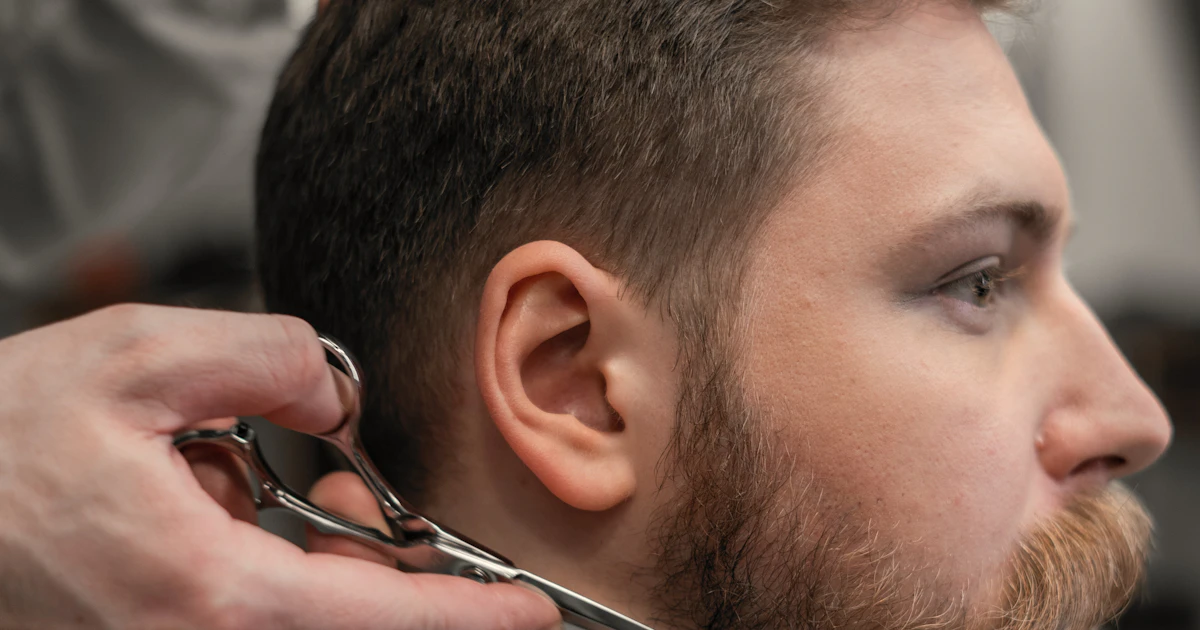
Wash and fully dry your beard, comb it out, then trim all over with a longer guard than you think you need. Set the neckline about two fingers above your Adam's apple, clean up the cheek line along its natural edge, trim the moustache above the lip line and finish with a few drops of beard oil.
Learning how to trim a beard at home comes down to one rule: start long and go shorter slowly. You can always take more off, but you cannot put it back.
This guide gives you the tools, seven clear steps with suggested guard lengths, the neckline rule, and how to handle short beards, long beards and beards you are growing out. It is part of our hair care guides for men and women alike.
Quick answer
Wash and fully dry your beard, comb it out, then trim all over with a longer guard than you think you need. Set the neckline about two fingers above your Adam's apple, clean up the cheek line along its natural edge, trim the moustache above the lip line and finish with a few drops of beard oil.
What you need
- Beard trimmer with guards. Adjustable or click-on guards let you keep an even length.
- A fine-tooth comb or beard comb. To lift hairs and check length.
- Small, sharp scissors. For the moustache and long beards.
- A good mirror and bright light. A second, handheld mirror helps with the neckline.
- Beard oil or balm (optional). Softens hair and skin after trimming.
- A towel or sink cover. Trimmed hairs get everywhere.
For washing, conditioning and growth tips, see our <!-- LINK when live: /us/hair-care/beard | anchor: beard care guide -->beard care guide<!-- /LINK -->.
<!-- PRODUCT BOX SLOT (CTA: productbox, product line: Hair care products). Suggested focus: one beard trimmer with several guard lengths. Rendered only with an active merchant link via /go/{brand}, rel="sponsored nofollow noopener". No price, rating or "clinically proven" badge. -->A quick word on guard numbers
Many US clippers use numbered guards. On a common standard, according to Wahl:
| Guard | Length |
|---|---|
| #1 | 1/8 inch (about 3 mm) |
| #2 | 1/4 inch (about 6 mm) |
| #3 | 3/8 inch (about 10 mm) |
| #4 | 1/2 inch (about 13 mm) |
| #6 | 3/4 inch (about 19 mm) |
| #8 | 1 inch (about 25 mm) |
Beard trimmers often use millimeters instead of numbers, and brands vary, so check the marking on your guard.
How to trim a beard in 7 steps
Here is how to properly trim a beard from start to finish.
Step 1: Wash and dry
Wash your beard with a gentle cleanser or beard wash and let it dry completely. Wet hair looks longer and straighter than it is, so trimming it wet is the most common way to cut too much.
Step 2: Comb it out
Comb in the direction of growth, then against it to lift the hairs. This shows you uneven patches and stray hairs.
Step 3: Trim all over
Choose a guard one or two sizes longer than your target length. Run the trimmer against the direction of growth, from the sideburns down the cheeks and jaw to the chin. Check both sides in the mirror, then step down one size if needed.
Trim map by beard length:
| Beard style | Suggested starting guard | Typical final length |
|---|---|---|
| Heavy stubble | #1 (1/8 in) | #1 |
| Short beard | #3 (3/8 in) | #2 to #3 |
| Medium beard | #6 (3/4 in) | #4 to #6 |
| Long beard | #8 (1 in) or scissors | Shape with scissors |
These are starting points, not rules. Hair density and your face shape matter.
Step 4: Set the neckline
This is the step that makes a beard look groomed. See the full method in the next section.
Step 5: Clean up the cheek line
Most people look best with a natural cheek line. Only remove the stray hairs that sit above it, using the trimmer without a guard. Avoid pushing the line down, which makes the face look wider.
Step 6: Trim the moustache
Comb the moustache down and trim hairs that fall over the lip line. Details below.
Step 7: Finish with oil
Rinse off loose hairs, pat dry and rub two or three drops of beard oil into the beard and skin. It softens coarse hair and can help with itching. Trimming every one to two weeks keeps the shape.
How to trim a beard with clippers vs a trimmer: a hair clipper has a wider blade that covers large areas fast, which suits long or thick beards. A beard trimmer has a narrower blade and finer guards for detail. You can do the whole job with either; a trimmer makes the neckline and moustache easier.
How to trim a beard neckline
<!-- IN-BODY IMAGE: see "Images" below. -->
Here is how to trim a beard neckline cleanly:
- Find the line. Place two fingers flat above your Adam's apple. The top edge of your fingers marks the center of your neckline.
- Draw the curve. Picture a U-shaped line from that point up to just behind each earlobe.
- Trim below the line. Remove the guard and trim everything below the line, moving from the center out toward each ear.
- Fade it slightly (optional). Run a short guard (#1 or #2) just above the line for a softer edge.
Common mistakes
- Setting the line too high, along the jawbone. It makes the beard look like a chinstrap and the chin look weaker.
- Setting it too low, so the beard creeps onto the neck.
- Working one side at a time without checking symmetry. Go back and forth.
If you shave below the neckline, the AAD has razor bump prevention tips, such as shaving in the direction of growth and not stretching the skin.
How to trim a short beard vs a long beard
How to trim a short beard
A short beard is all about the guard. Pick one length and go over the whole beard, then use a guard one size shorter on the cheeks if you want a slightly tapered look. Keep the neckline and cheek line sharp, since short beards show every stray hair. Trim weekly.
How to trim a long beard
Here is how to trim a long beard without losing length:
- Use scissors over a comb. Comb a section out, hold it between the comb teeth and cut the hair that sticks out beyond the comb.
- Shape the bottom. Decide on a shape (rounded, square or tapered) and trim small amounts at a time, checking both sides.
- Keep the sides shorter than the chin. A slight taper from the cheeks to the chin looks fuller and neater.
- Comb and check often. Long hair hides uneven spots until you comb it out.
Long beards need trimming less often, about every two to four weeks, but they benefit from daily combing and oil.
How to trim a beard while growing it out
If you are wondering how to trim a beard while growing it out, the answer is: barely.
| Weeks | What to do |
|---|---|
| 0 to 4 | Do not trim the beard itself. Patchy phases are normal. Keep only the neck below the neckline clean. |
| 4 to 6 | Set a neckline and tidy the cheek line. Trim moustache hairs over the lip. |
| 6 to 12 | Even out the longest hairs with scissors. Leave the overall length alone. |
| 12+ | Choose a shape and start regular trims every 2 to 4 weeks. |
Itching in the first few weeks is common. A beard oil and a gentle wash can help. If you get red, painful bumps, see the AAD guide to common beard problems.
How to trim a moustache with a beard
- Comb the moustache straight down over your lip.
- Using small scissors, trim along the top of your upper lip, from the center out to each side.
- Trim with the scissor tips parallel to your lip, in small snips.
- Comb again and check. Leave a little extra length at the corners if you want it to blend into the beard.
- For a fuller look, trim the moustache with the same guard as the beard and only clean up the lip line.
This is how to trim a moustache with a beard so the two look like one style, not two separate shapes.
Beard trimming mistakes to avoid
- Trimming wet hair. It shrinks when it dries, so you take off more than you meant to.
- Starting with a short guard. Always start longer and work down.
- Pressing the trimmer into the skin. Let the guard glide; pressing makes uneven patches and can irritate.
- Rushing the neckline. It is the most visible line. Work slowly, in good light, and check both sides.
- Trimming in poor light. Bathroom lights from above hide uneven spots. Use a mirror facing a window if you can.
- Forgetting the moustache. Hair over the lip looks untidy and gets in the way when you eat.
- Using dull blades. Dull blades pull hair and can cause irritation and ingrown hairs.
How to look after your trimmer
A clean, sharp trimmer cuts more evenly and is kinder to your skin:
- Brush out hair from the blades and guards after every use.
- Oil the blades with a drop of the oil supplied with your trimmer, as the manual suggests.
- Wash or wipe guards and dry them fully.
- Replace blades when they start to pull or snag.
- Keep the battery charged, since a slowing motor cuts unevenly.
FAQ
Should you trim your beard wet or dry?
Dry. Wet hair stretches and looks longer, so you are likely to cut too much. Wash and dry it first, then trim.
How often should you trim your beard?
Short beards and stubble: weekly. Medium beards: every one to two weeks. Long beards: every two to four weeks, with neckline cleanups in between.
Is a clipper or a trimmer better for a beard?
A trimmer is better for most beards because the narrow blade handles the neckline and moustache well. A clipper is faster for long or thick beards. Many people use both.
How do you fix a trimming mistake?
Do not try to even it out by trimming more on the other side. Let it grow for a week or two, then trim both sides to match. For a gap, a slightly shorter guard over the whole beard often hides it.
Should you trim with or against the grain?
For the all-over trim with a guard, going against the grain lifts the hairs and gives an even length. Near the neckline and on sensitive skin, trimming with the grain is gentler. If you get razor bumps, avoid going against the grain without a guard.
Related guides: keratin and the nutrients hair needs and DHT and hair loss.
Frequently asked questions
This article is for informational purposes only and does not constitute medical advice, diagnosis or treatment. Always consult a qualified healthcare professional before starting any supplement, diet or exercise programme, especially if you are pregnant, nursing, taking medication or have a medical condition. Statements about supplements have not been evaluated by the Food and Drug Administration.
Feel Better With Us Editorial Team
Our editors research every guide from primary sources and update it when the evidence changes. Our editorial standards