
Hair CareGuide
Leave-In Conditioner for Curly Hair: How to Choose and Apply It
A leave-in conditioner for curly hair is a lightweight, no-rinse conditioner applied to damp hair after washing. It adds moisture and slip to curls, helps with detangling and can reduce frizz. Curly hair tends to be drier, so most guides recommend a creamier formula for curls, a lighter one for fine or wavy hair, and a small amount to start.
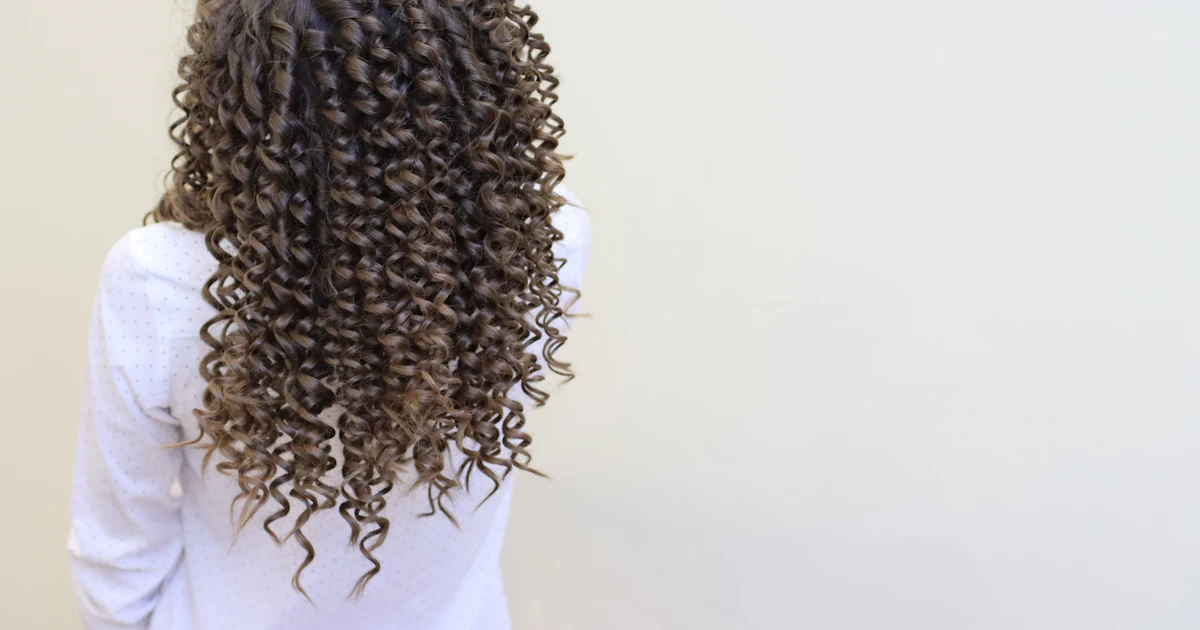
Apply a small amount of leave-in conditioner to damp, towel-patted hair, mainly on the mid-lengths and ends, then comb through with a wide-tooth comb or your fingers and air dry or style. Choose a creamy, oil-rich formula for thick or tight curls and a lightweight one for fine or wavy hair. Use less if hair turns limp or greasy. Product claims are weakly supported by research, and the sources disagree about silicones, so patch test a new product and adjust to how your hair responds.
A leave-in conditioner for curly hair is a lightweight, no-rinse conditioner applied to damp hair after washing. It adds moisture and slip to curls, helps with detangling and can reduce frizz. Curly hair tends to be drier, so most guides recommend a creamier formula for curls, a lighter one for fine or wavy hair, and a small amount to start.
This guide explains what a leave-in conditioner does, how to apply it, how to choose by hair type, how it differs from rinse-out conditioner and what the evidence says about popular curly-hair methods. It is part of our hair care guide.
Quick answer
Apply a small amount of leave-in conditioner to damp, towel-patted hair, mainly on the mid-lengths and ends, then comb through with a wide-tooth comb or your fingers and air dry or style. Choose a creamy, oil-rich formula for thick or tight curls and a lightweight one for fine or wavy hair. Use less if hair turns limp or greasy. Product claims are weakly supported by research, and the sources disagree about silicones, so patch test a new product and adjust to how your hair responds.
What does leave-in conditioner do?
Healthline's guide to leave-in conditioner, reviewed by a nurse practitioner, describes leave-ins as no-rinse conditioners used after washing and before styling. It says they are lighter than rinse-out conditioners, give a detangling effect and are most useful for dry, damaged or frizzy hair. Curly hair "craves" added moisture, according to the page. Its benefit claims are not backed by specific studies.
Leave-in vs rinse-out conditioner
Healthline's conditioner guide says rinse-out conditioner goes on the ends, sits about a minute and is rinsed off, while a leave-in is made with slightly different ingredients and stays in. A leave-in can replace the shower conditioner, or you can use both, especially for dry or damaged hair. The page also describes deep conditioner as a weekly treatment left on for 10 to 30 minutes for color-treated, permed or heat-styled hair.
How to use leave-in conditioner on curly hair
- Wash and rinse as usual. Healthline's curly hair care guide suggests not shampooing every day, trying every other day or every third day, and conditioning-only on some days.
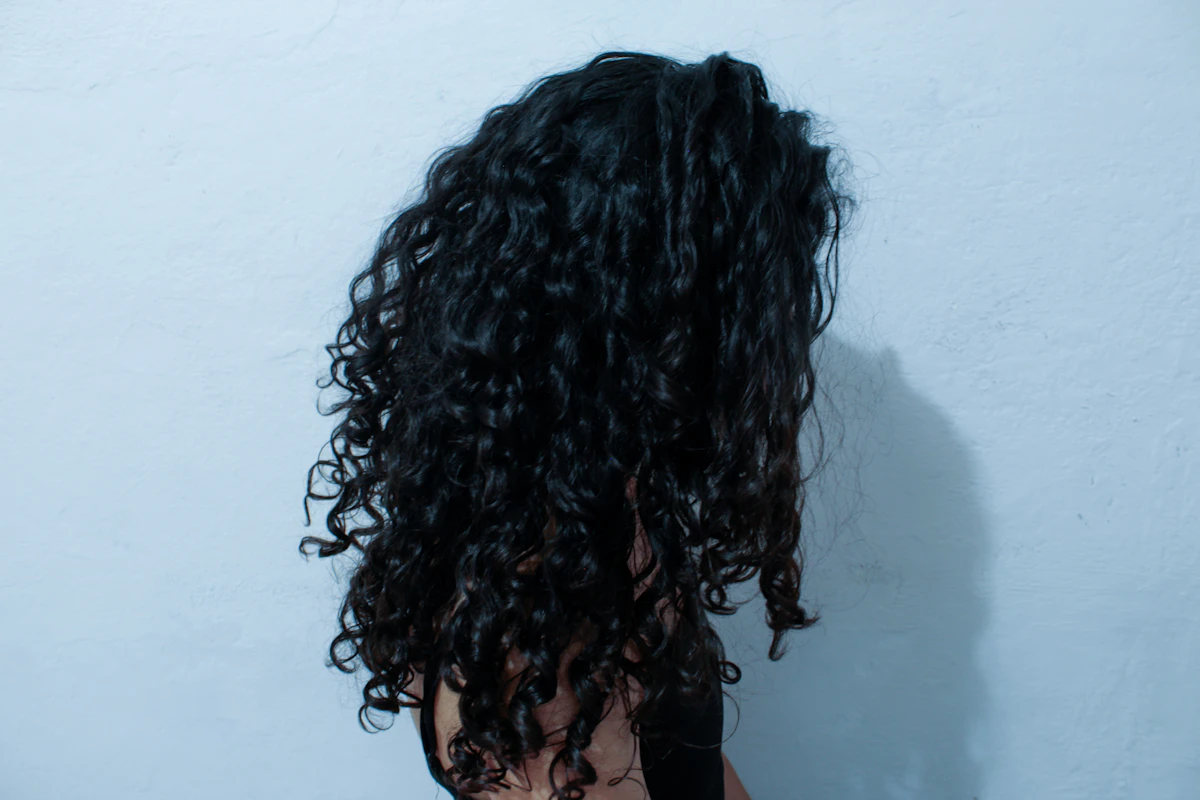
-
Pat hair damp with a towel. Do not rub.
-
Apply a small amount, starting at the ends and working up, and add more only if needed. Thicker hair may need more.
-
Detangle gently with a wide-tooth comb or by raking through with your fingers while the hair is wet.
-
Air dry or use a diffuser. Healthline says most stylists recommend air drying. If you use heat, add a heat protectant.
Leave in conditioner for curly hair: how to choose by hair type
-
Tight curls and coils or thick hair: a creamy product with natural oils, according to Healthline.
-
Wavy or fine hair: a lightweight formula, applied to the ends only for very fine hair, as the leave-in page advises. See our guide to why hair gets frizzy.
-
Oily or low-porosity hair: may be prone to buildup, so a leave-in may not suit you, says the leave-in page.
-
Color-treated or heat-styled hair: choose heat-protection or color-preserving versions.
Ingredients: what the sources say
Healthline names silicones such as dimethicone and glycerin as typical leave-in ingredients, plus natural oils, botanical extracts and vitamins, and says to avoid alcohol and dyes because they can dry hair. The curly hair care page lists oils, aloe, shea butter, keratin and silk or animal proteins as ingredients in curly-hair products. The sources contradict each other on silicones (see the next section) and none explains the difference between drying alcohols and fatty alcohols.
The Curly Girl Method: what the evidence shows
Healthline's Curly Girl Method guide, reviewed by a nurse practitioner, describes a routine built on sulfate-free shampoo, silicone-free conditioner left partly in the hair, gentle detangling when wet and drying with a cotton T-shirt or bamboo towel. The page admits the method "hasn't yet been included in any large-scale research" and attributes its popularity to real-world testimonials. It says it may not suit straight hair or people with scalp conditions such as psoriasis, and suggests a dermatologist can help customize it.
Where the sources conflict:
-
Silicones: the leave-in page lists them as typical, the Curly Girl page says they build up, and the curly care page recommends silicone-containing heat protectant.
-
Brushes: the curly care page suggests a boar bristle brush, while the Curly Girl page says to avoid brushes.
-
Rinsing: rinse thoroughly (conditioner page) vs leave some or all in (Curly Girl).
If you do not like a product's effect, try a different type rather than assuming you applied it wrong.
Common mistakes
Too much product weighs curls down; applying to dry, brushed hair can raise frizz; and heavy layering without washing can cause buildup. Healthline suggests a clarifying shampoo every one to two weeks for curly hair and says co-washing builds up product, so use a clarifying shampoo about every two weeks.
When to see a dermatologist
Rinse off and stop using a product if it burns or irritates your scalp. See a doctor or dermatologist for an itchy, sore or flaky scalp, patches of hair loss or heavy breakage. Only one of the pages we read mentions dermatologist advice.
FAQ
What is the best leave-in conditioner for curly hair?
The sources do not name one. Choose a creamy, oil-rich formula for curls and a lighter one for fine or wavy hair.
Can I use leave-in conditioner every day?
Healthline says to use it less often if hair gets oily or limp. There is no set frequency.
Do I need leave-in conditioner if I already use conditioner?
Not necessarily. A leave-in can replace the shower conditioner, or be used on top of it for very dry hair.
Is leave-in conditioner good for wavy or fine hair?
Yes, in a lightweight formula, applied to the ends only for very fine hair.
Should leave-in conditioner have silicones?
Sources disagree. Some list silicones as typical, others say they build up on curls.
Does the Curly Girl Method work?
Evidence is mostly testimonials. The page says it has not been tested in large studies.
Related guides: keratin production and nutrients, the scalp microbiome.
This article is for general information and is not medical advice. Talk to a doctor or dermatologist about scalp irritation, hair loss or breakage.
Frequently asked questions
This article is for informational purposes only and does not constitute medical advice, diagnosis or treatment. Always consult a qualified healthcare professional before starting any supplement, diet or exercise programme, especially if you are pregnant, nursing, taking medication or have a medical condition. Statements about supplements have not been evaluated by the Food and Drug Administration.
Feel Better With Us Editorial Team
Our editors research every guide from primary sources and update it when the evidence changes. Our editorial standards