
Hair CareGuide
Frizzy Hair: Causes, How to Get Rid of It and What Helps
Frizzy hair is usually dry or damaged hair whose outer layer, the cuticle, has roughened and lifted, so strands stick out instead of lying smooth. The most common causes are humidity, dryness, heat, chemical treatments and rough handling such as rubbing with a towel. To get rid of frizzy hair, condition after every shampoo, dry gently, limit heat and finish with a leave-in conditioner, serum or oil.
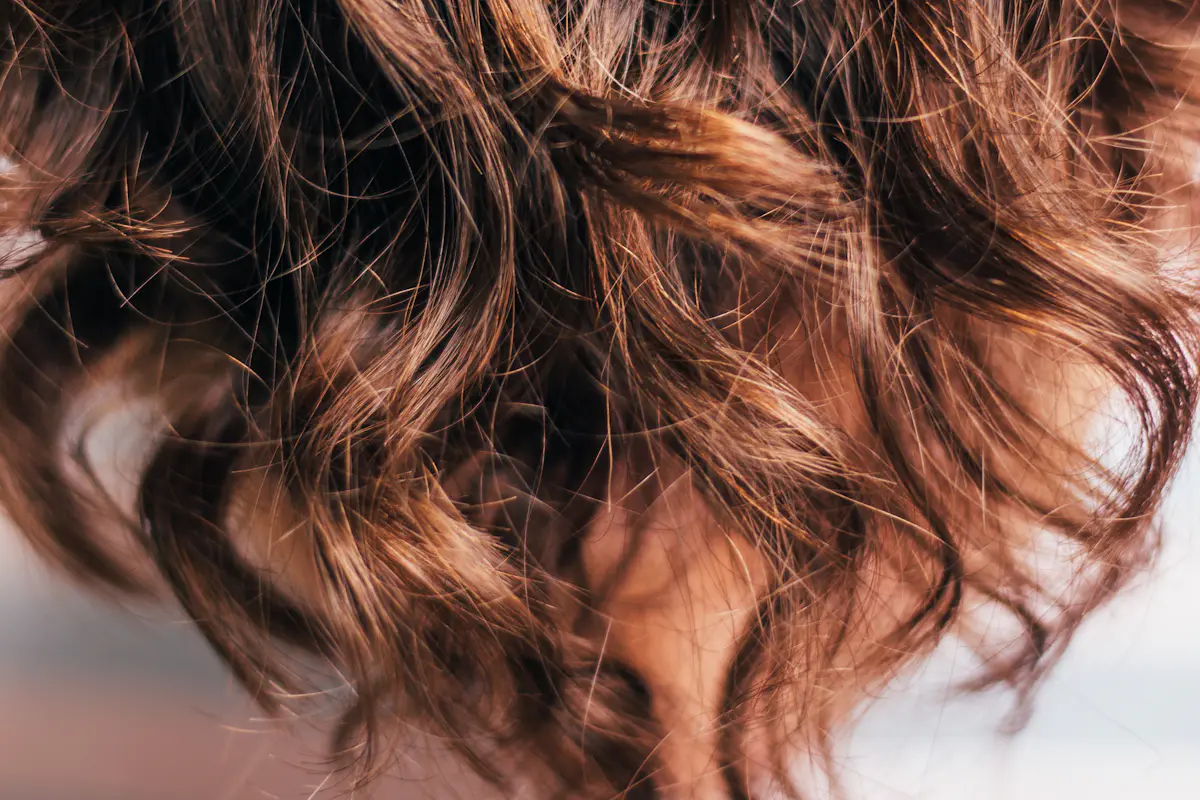
Frizz is a sign that hair has lost moisture or its cuticle is damaged. To prevent frizzy hair: use conditioner after every shampoo (American Academy of Dermatology advice), wrap or blot hair instead of rubbing it with a towel, avoid brushing dry hair, use a wide-tooth comb, limit heat and chemical treatments, and apply a leave-in conditioner, serum or oil to wet or damp hair. Wash less often if your hair is dry or curly. See a dermatologist if hair is breaking, thinning or home care does not help.
Frizzy hair is usually dry or damaged hair whose outer layer, the cuticle, has roughened and lifted, so strands stick out instead of lying smooth. The most common causes are humidity, dryness, heat, chemical treatments and rough handling such as rubbing with a towel. To get rid of frizzy hair, condition after every shampoo, dry gently, limit heat and finish with a leave-in conditioner, serum or oil.
This guide explains why hair frizzes, how to prevent it, how to choose products for frizzy hair and when to ask a dermatologist. It is part of our hair care guide.
Quick answer
Frizz is a sign that hair has lost moisture or its cuticle is damaged. To prevent frizzy hair: use conditioner after every shampoo (American Academy of Dermatology advice), wrap or blot hair instead of rubbing it with a towel, avoid brushing dry hair, use a wide-tooth comb, limit heat and chemical treatments, and apply a leave-in conditioner, serum or oil to wet or damp hair. Wash less often if your hair is dry or curly. See a dermatologist if hair is breaking, thinning or home care does not help.
What causes frizzy hair?
The sources we read agree on these causes:
-
Humidity. For wavy or curly hair, moisture in the air can reshape the cuticle and loosen curls, according to Medical News Today and Healthline.
-
Dryness. Healthline says frizz comes from a lack of moisture. Curly hair is often drier because scalp oil travels less easily down curls.
-
Heat styling. Blow dryers, hot combs and curling irons can damage hair. The American Academy of Dermatology (AAD) says to air dry when possible and use the lowest heat.
-
Chemical treatments. Color, bleach, perms and relaxers can damage the hair, according to Medical News Today and the AAD.
-
Rough handling. Rubbing with a towel, brushing wet or dry hair and tight styles cause friction and breakage. The AAD says breakage can make hair look frizzy.
-
Over-washing or very hot water. Healthline says over-washing and very hot water can dry hair out. The claims that sulfates or alcohol-containing products cause frizz come from stylist interviews, not from clinical evidence.
-
Genetics. Medical News Today says hair texture and thickness affect how prone hair is to frizz.
How to get rid of frizzy hair
In the shower
- Condition every time. The AAD says to use conditioner after every shampoo.
- Shampoo the roots, not the lengths. The AAD says to massage the scalp and let suds run down the hair.
- Use lukewarm water rather than very hot, as Healthline suggests.
- Wash less often if your hair is dry or curly. The AAD's curly hair guide says to wash only when needed. The sources give different frequencies (Healthline says about two to three times a week; the AAD says curly hair may need washing far less often), so go by how your hair feels.
After the shower
- Do not rub with a towel. The AAD says to wrap hair in a towel to absorb water, then air dry. Medical News Today and Healthline say to blot or squeeze rather than rub.
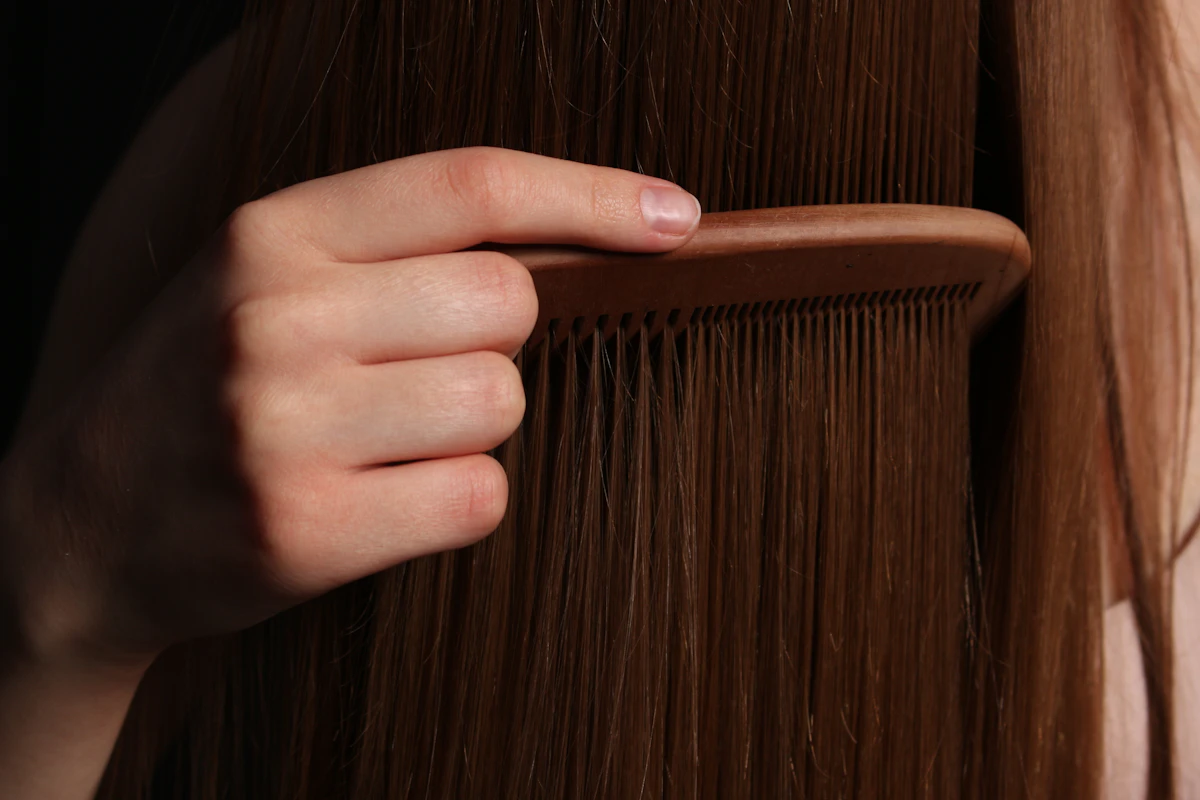
- Detangle gently. Use a wide-tooth comb. The AAD says straight hair should dry a bit first, and curly hair is best combed while damp with a leave-in. Do not brush dry hair, which causes breakage and frizz.
- Apply a leave-in conditioner, serum or oil. The AAD's curly hair guide suggests oil or a leave-in conditioner after washing. Healthline names argan, avocado, coconut, jojoba and olive oils, applied from mid-length to the ends. Medical News Today labels the evidence for hair oils as mostly anecdotal.
Heat
Use the lowest heat setting and limit contact time. Medical News Today and the AAD suggest a heat protectant spray or cream before styling. The AAD says to blow-dry or flat iron once a week or less.
At night
The AAD suggests a loose pineapple ponytail or loose braid to reduce friction against the pillowcase. Medical News Today says there is no research on silk pillowcases.
In humid weather
Healthline suggests a frizz protectant or serum in a humid climate.
Products for frizzy hair: what to look for
The sources we read do not recommend particular brands, and some of their claims are anecdotal, so choose by function:
- Leave-in conditioner or cream for dry hair. This is what the AAD suggests for curly hair.
- Hair serum or oil to coat ends and reduce friction. See the oil list above.
- Conditioning mask as a deep treatment. Medical News Today mentions deep-conditioning masks, with anecdotal support.
- Ingredients. The AAD's curly hair page suggests argan oil, glycerin and fatty alcohols such as cetyl or stearyl alcohol. Healthline recommends alcohol-free leave-ins; the pages do not distinguish drying alcohols from fatty alcohols, so check the ingredient list.
- Heat protectant before blow-drying or flat-ironing.
For curly hair, see our guides to why hair is so frizzy, curly hair products and leave-in conditioner for curly hair.
How to repair damage that causes frizz
Medical News Today suggests regular trims and a break from chemical treatments until damaged hair has grown out. The AAD suggests spacing out color and perm touch-ups, doing one chemical service at a time and using conditioner. The sources give no time frame for frizz to improve beyond the time it takes damaged hair to grow out. If you swim, Medical News Today and the AAD suggest a swim cap and rinsing hair right after.
Common mistakes
- Brushing dry hair or brushing 100 strokes (the AAD calls this a myth).
- Rubbing hair with a towel.
- Tight ponytails and styles that pull on hair.
- Using heat every day.
- Skipping conditioner.
When to see a dermatologist
The AAD and Medical News Today say to see a dermatologist if changing your hair care does not help, especially if hair is breaking, thinning or falling out. A dermatologist can check for other causes. Medical News Today also notes that nutritional deficiencies can cause dry hair or hair loss.
FAQ
Why is my hair so frizzy?
Usually dryness, damage or humidity, plus friction from towels and brushing. Hair texture also plays a part.
How do you get rid of frizzy hair?
Condition after every shampoo, dry gently, avoid brushing dry hair, limit heat and finish with a leave-in conditioner, serum or oil.
What is the best hair oil for frizzy hair?
Healthline lists argan, avocado, coconut, jojoba and olive oils. Medical News Today says the evidence for hair oils is mostly anecdotal. Use a small amount on the ends.
How can you prevent frizzy hair?
Wash less if hair is dry or curly, use conditioner every time, wrap hair in a towel instead of rubbing, use a heat protectant and limit chemicals.
Does a silk pillowcase stop frizz?
Medical News Today says there is no research on this. The AAD suggests a loose braid or ponytail at night instead.
Is frizzy hair a sign of damage?
Often. Frizz is a sign of dry or damaged hair, though curl type and humidity also matter.
Related guides: keratin production and nutrients and the scalp microbiome.
This article is for general information and is not medical advice. Talk to a dermatologist about hair breakage, thinning or loss.
Frequently asked questions
This article is for informational purposes only and does not constitute medical advice, diagnosis or treatment. Always consult a qualified healthcare professional before starting any supplement, diet or exercise programme, especially if you are pregnant, nursing, taking medication or have a medical condition. Statements about supplements have not been evaluated by the Food and Drug Administration.
Feel Better With Us Editorial Team
Our editors research every guide from primary sources and update it when the evidence changes. Our editorial standards