
Hair CareQ&A
Why Is My Hair So Frizzy? Causes and What Helps
Why is my hair so frizzy? Usually because the outer layer of each strand (the cuticle) is lifted instead of lying flat, so hair loses moisture and picks up humidity from the air. Dryness, heat, chemical treatments, harsh shampoos and rough handling all raise the cuticle. Frizz can also come from natural hair type and porosity, which you cannot change.
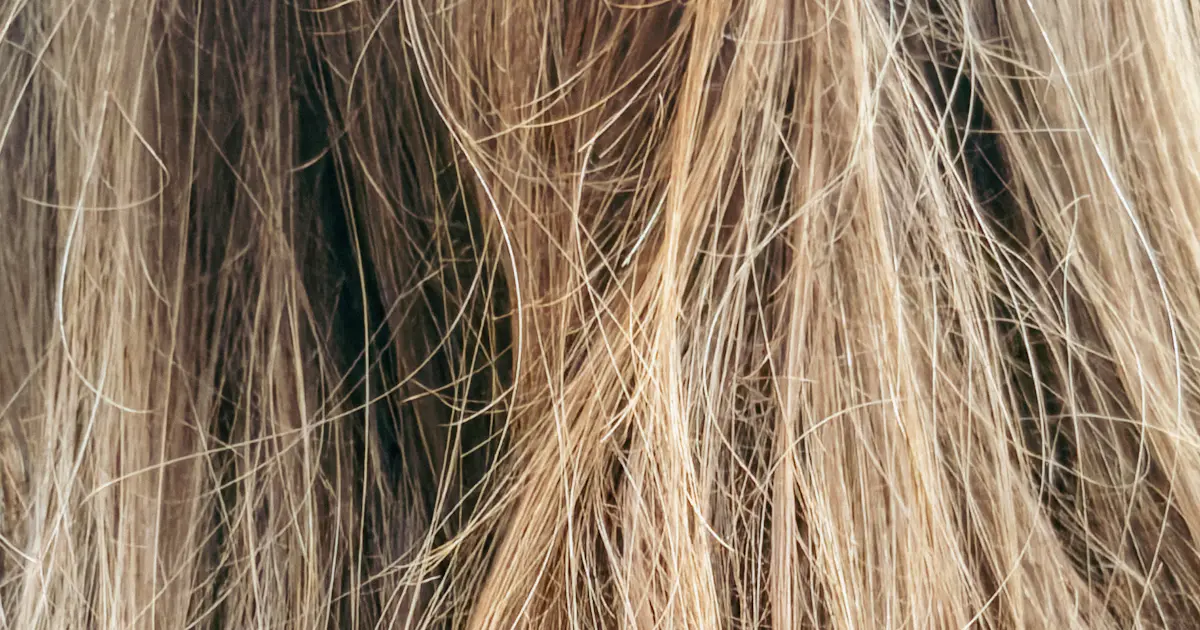
Frizzy hair is most often dry or damaged hair with a raised cuticle. Common causes are heat styling, bleaching or dyeing, over-washing, alkaline or harsh shampoos, humid weather, rough drying and naturally porous or curly hair. Hair that is damaged cannot be repaired, only protected and cut off as it grows out. Reduce heat and chemical processing, wash gently, condition, and trim split ends. If hair breaks heavily or does not improve in a few weeks, see a doctor or dermatologist.
Why is my hair so frizzy? Usually because the outer layer of each strand (the cuticle) is lifted instead of lying flat, so hair loses moisture and picks up humidity from the air. Dryness, heat, chemical treatments, harsh shampoos and rough handling all raise the cuticle. Frizz can also come from natural hair type and porosity, which you cannot change.
This guide explains the main causes, how to tell dryness from damage, what hygral fatigue is, what helps and when to ask a doctor. For fixes and home remedies, see our guide to how to get rid of frizzy hair. This article is part of our hair care guide.
Quick answer
Frizzy hair is most often dry or damaged hair with a raised cuticle. Common causes are heat styling, bleaching or dyeing, over-washing, alkaline or harsh shampoos, humid weather, rough drying and naturally porous or curly hair. Hair that is damaged cannot be repaired, only protected and cut off as it grows out. Reduce heat and chemical processing, wash gently, condition, and trim split ends. If hair breaks heavily or does not improve in a few weeks, see a doctor or dermatologist.
What makes hair frizzy?
Healthline's guide to repairing damaged hair explains that frizz means the cuticle is not lying flat and inner fibers may be exposed. Hot water opens the cuticle, and a high-pH (alkaline) state lifts it. An aggressive shampoo strips natural oils, leaving strands that frizz as they dry.
Healthline's page on frizzy hair remedies says frizz is caused by dry hair lacking moisture and is worse in humid weather, when dry hair pulls water from the air and the cuticle scales swell. It names alkaline shampoos, alcohol-containing styling products and heat tools as aggravating factors.
Why is my hair so frizzy and dry?
Common causes of dryness and a raised cuticle, according to the Healthline pages we read:
-
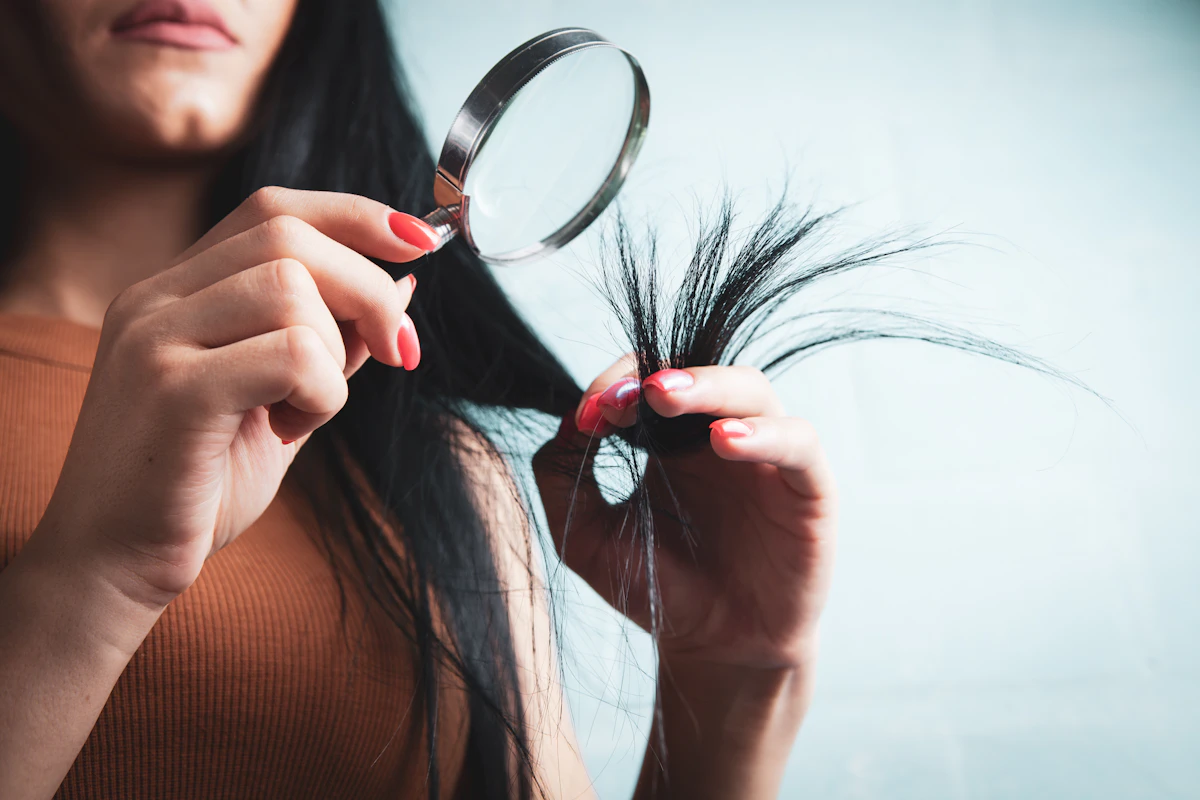
Heat. Heat can "cook" the hair fiber and raise the cuticle. Healthline suggests heat protectant, the lowest setting, and heat tools no more than about once a week.
-
Bleach and dye. Bleach swells the hair and leaves it dry, porous and brittle, and dye can remove natural moisture.
-
Chlorine, sun and UV can strip moisture and make hair brittle.
-
Over-washing and harsh cleansers remove protective oils.
-
Rough towel drying and brushing, which create friction on a raised cuticle.
Why is my hair so frizzy and curly?
Healthline's hair types guide says porous hair has more cuticle openings, so it tends to frizz in humid climates, and that curl pattern is genetic. Chemical and heat processing can increase porosity. Curly hair often frizzes more when brushed dry, so the page suggests fingers or a wide-tooth comb on wet hair. For product tips, see our guide to leave-in conditioner for curly hair.
Hair frizzy after washing: could it be too much moisture?
Healthline's page on hygral fatigue describes damage from repeated swelling and drying of the hair when it absorbs too much water, linked to heavily porous hair and very frequent moisturizing products or masks. Signs listed include tangling, frizz, dullness, brittleness, breakage and a gummy texture. Suggested steps are using moisturizing shampoos, conditioners and masks less often, washing less and reducing other damage.
The sources disagree. Most pages tell you to add more moisture (masks, leave-ins, oils), while the hygral fatigue page warns about too much. None gives a test for telling which applies to you, and none discusses the balance of protein and moisture. If more conditioner makes your hair limp or gummy, try cutting back.
Dry hair or damaged hair?
We found no reliable test. Healthline's damaged-hair guide describes symptoms (tangles, dullness, frizz, brittleness and breakage) and says that if you cannot tell what is to blame, treat the symptoms. It also says damage is permanent and "the only real cure is time, a pair of shears": trims remove damaged ends, and masks or conditioners only help hide and protect.
What helps frizzy hair
-
Wash less often and use a gentle shampoo, then condition. Healthline suggests every other day or less for damaged hair.
-
Use a leave-in conditioner or detangler, and a heat protectant before heat styling.
-
Air dry by wrapping hair in a towel instead of rubbing.
-
Wait 8 to 10 weeks between dye jobs and stay within a few shades of your natural color.
-
Trim regularly.
-
Be careful with home remedies. Healthline says the evidence for apple cider vinegar is anecdotal, that there is no scientific evidence for argan oil's heat or sun protection and little for egg masks.
When to see a doctor
Healthline's damaged-hair guide suggests booking an appointment with a doctor or dermatologist if you see no results after a few weeks, so they can check for an underlying condition. See someone sooner if hair is coming out in clumps, thinning or if your scalp is itchy, sore or flaky.
FAQ
Why is my hair so frizzy all of a sudden?
A change in weather, a new product, more heat styling, a recent color or bleach, or hard water or chlorine are common triggers.
Why is my hair so frizzy even though I condition it?
It may be damaged beyond what conditioner can fix, or you may be using products that do not suit it. Too much moisture can also harm very porous hair.
Does humidity make hair frizzy?
Yes. Healthline says dry or porous hair absorbs moisture from humid air, which swells the cuticle.
Can damaged hair be repaired?
Not fully. Treatments can protect it and make it look smoother, but healthy hair has to grow out.
Why is my hair frizzy after I wash it?
Hot water, harsh or alkaline shampoo, rough towel drying and too little conditioner can all raise the cuticle.
Does frizzy hair mean a health problem?
Usually not, but heavy breakage or hair loss deserves a check with a doctor.
Related guides: keratin production and nutrients, the scalp microbiome.
This article is for general information and is not medical advice. Talk to a doctor or dermatologist about hair loss, breakage or scalp symptoms.
Frequently asked questions
This article is for informational purposes only and does not constitute medical advice, diagnosis or treatment. Always consult a qualified healthcare professional before starting any supplement, diet or exercise programme, especially if you are pregnant, nursing, taking medication or have a medical condition. Statements about supplements have not been evaluated by the Food and Drug Administration.
Feel Better With Us Editorial Team
Our editors research every guide from primary sources and update it when the evidence changes. Our editorial standards