
Hair CareGuide
Beard Care: A Simple Routine for a Healthy Beard
A healthy beard starts with the skin underneath it. A dermatologist quoted by the American Academy of Dermatology (AAD) recommends a simple routine: wash the face and beard every day, then use a beard conditioner, beard oil or a gentle moisturizer matched to your skin type, and keep a comb and brush handy. The right care can help prevent acne, beard dandruff and itch.
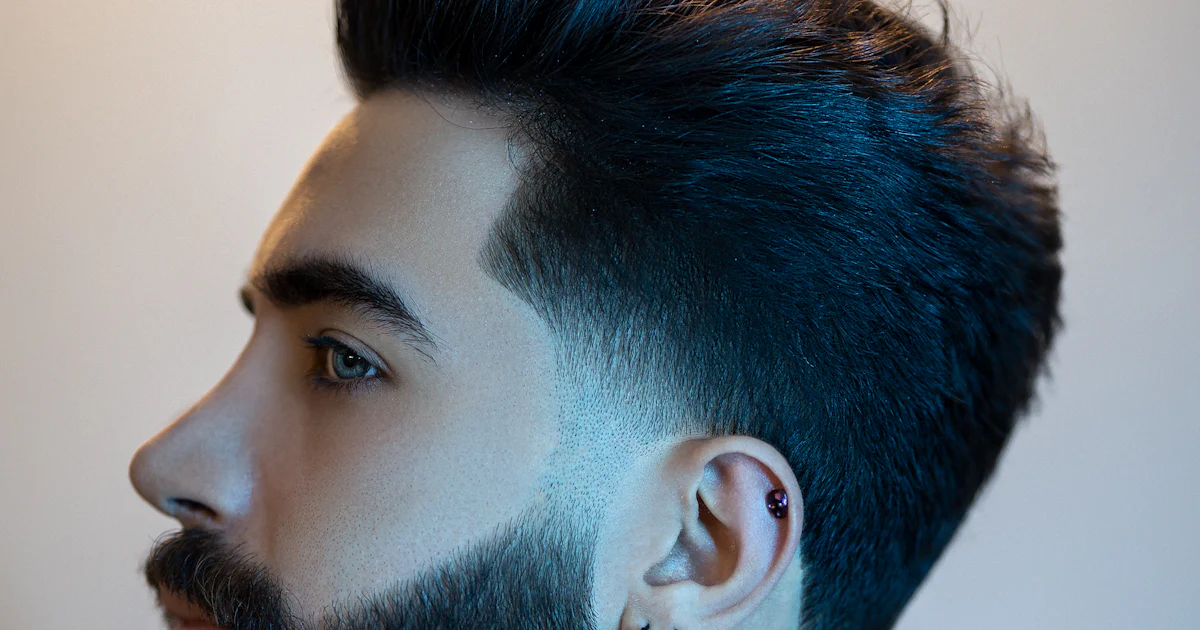
Wash your beard and face daily, pat the skin so it stays slightly damp, then apply a conditioner, oil or moisturizer suited to your skin: conditioner for acne-prone skin, oil for normal to dry skin and a fragrance-free, non-comedogenic moisturizer for sensitive skin. Use it sparingly to avoid a greasy look. Comb and brush the beard, trim it with a trimmer or scissors, and use sunscreen on stubble. If irritation or bumps do not settle, ask a dermatologist.
A healthy beard starts with the skin underneath it. A dermatologist quoted by the American Academy of Dermatology (AAD) recommends a simple routine: wash the face and beard every day, then use a beard conditioner, beard oil or a gentle moisturizer matched to your skin type, and keep a comb and brush handy. The right care can help prevent acne, beard dandruff and itch.
This guide explains how to care for a beard, how to choose beard oil, what a beard trimmer is for, and what the sources do not cover. It is part of our hair care guide.
Quick answer
Wash your beard and face daily, pat the skin so it stays slightly damp, then apply a conditioner, oil or moisturizer suited to your skin: conditioner for acne-prone skin, oil for normal to dry skin and a fragrance-free, non-comedogenic moisturizer for sensitive skin. Use it sparingly to avoid a greasy look. Comb and brush the beard, trim it with a trimmer or scissors, and use sunscreen on stubble. If irritation or bumps do not settle, ask a dermatologist.
What a dermatologist says about beard care
The AAD's page on a dermatologist's top tips for a healthy beard, last updated in 2021 and based on advice from board-certified dermatologist Anthony Rossi, says the right skin care can help prevent acne, beard dandruff and itch. It says flaky, dry skin under a beard is linked to a lack of moisturizer. It recommends washing the face and beard every day. Gear Patrol, whose pages carry affiliate links, says a long beard needs a real cleansing daily and that itching is the main reason people give up on growing a beard.
A simple beard care routine
- Wash the face and beard daily.
- Pat dry, leaving the skin a little damp, then apply your product.
- Condition or moisturize. The AAD matches the product to skin type: beard conditioner for acne-prone skin, beard oil for normal to dry skin, and a fragrance-free, non-comedogenic moisturizer for sensitive skin. Use it sparingly.
- Comb and brush. The AAD recommends a beard comb and brush for detangling and styling.
- Protect stubble. On a stubble beard, the AAD suggests a moisturizer with SPF 30 or higher.
Beard oil: what the sources say
The AAD recommends beard oil for normal to dry skin and a conditioner for acne-prone skin. Gear Patrol suggests beard oil for long beards and a beard lotion to hydrate the skin and help with itching. Neither page compares oils, names ingredients or says how many drops to use, so we cannot recommend an amount. If you use a beard with beard oil and your skin breaks out, switch to a lighter product or ask a dermatologist. See our guide to hair oil.
Beard trimmer and tools
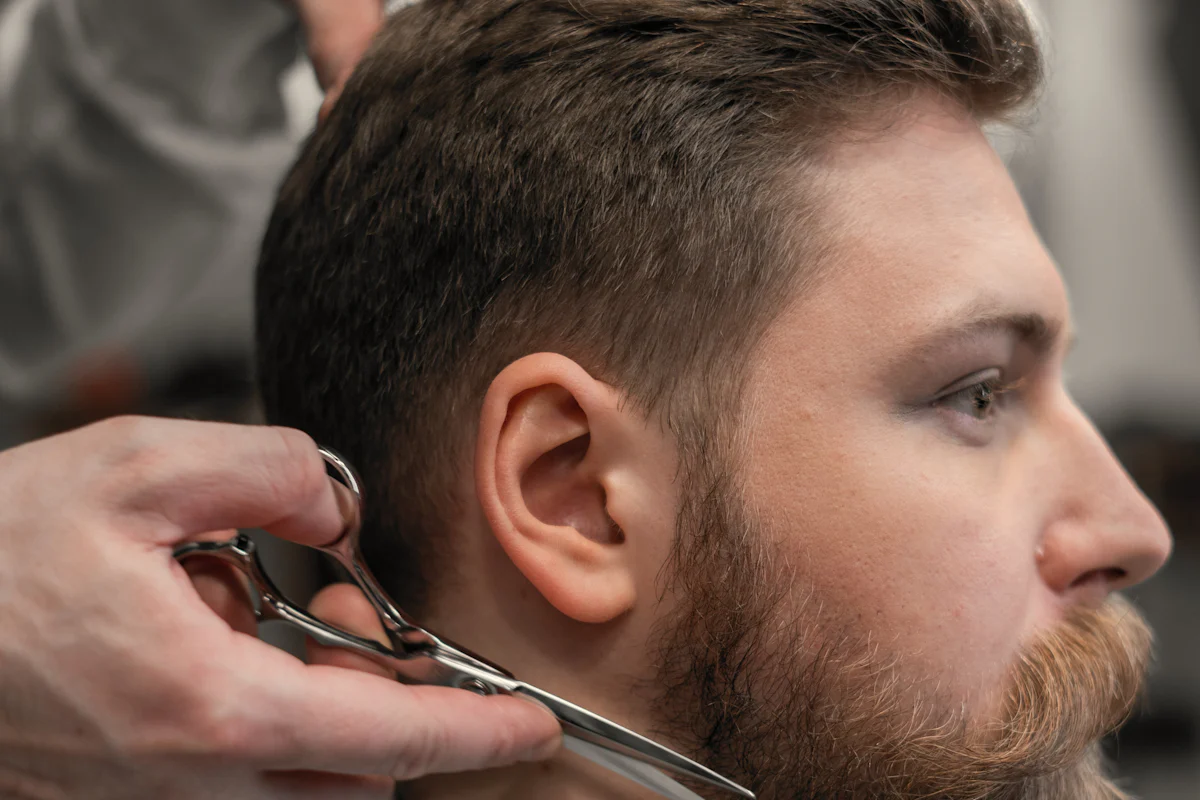
The AAD says to trim with an electric razor, and scissors for longer hair, after applying shaving oil, cream or gel to help prevent irritated skin. Gear Patrol uses a clipper with guards, a bare clipper for detail, scissors, a comb and a brush. The sources do not compare trimmers, so we do not rank them. For the step-by-step method, see our guide to how to trim a beard.
Ingrown hairs and irritation
If you are prone to ingrown hairs, the AAD suggests a gentle exfoliating scrub one to two times a week and says shaving against the grain can cause them in some people. It also says to change the razor blade every 5 to 7 shaves and to shave after a shower. The AAD's medical name for ingrown hair bumps is folliculitis. See our guide to how to get rid of razor bumps.
Beard styles and growing a beard
None of the pages we read covers beard styles such as a goatee, how to choose a shape for your face or how to grow a beard faster, so we make no claims about them. Gear Patrol says beard shape and length should guide the guard you use when trimming.
When to see a dermatologist
The AAD page does not list warning signs. It links to a dermatologist finder. If acne, flaking, itching or bumps persist despite basic care, or if bumps are painful, ask a board-certified dermatologist.
FAQ
How do you take care of a beard?
Wash daily, moisturize or oil the skin based on your skin type, comb and brush, and trim as needed.
Should I use beard oil every day?
The sources do not give a frequency. The AAD says to use products sparingly.
Why is my beard itchy?
Dry skin under the beard is linked to a lack of moisturizer, according to the AAD. Gear Patrol says beard lotion helps with itching.
Do I need a beard trimmer?
Not necessarily. The AAD says an electric razor works for trimming and scissors suit longer hair.
How do I prevent beard dandruff?
The AAD says the right skin care, including moisturizer, can help prevent it.
Can a beard cause acne?
The AAD says proper skin care can help prevent acne. Acne-prone skin may do better with a beard conditioner.
Related guides: the scalp microbiome, keratin production and nutrients, biotin and hair growth.
This article is for general information and is not medical advice. Talk to a dermatologist about persistent acne, flaking or painful bumps in the beard area.
Frequently asked questions
This article is for informational purposes only and does not constitute medical advice, diagnosis or treatment. Always consult a qualified healthcare professional before starting any supplement, diet or exercise programme, especially if you are pregnant, nursing, taking medication or have a medical condition. Statements about supplements have not been evaluated by the Food and Drug Administration.
Feel Better With Us Editorial Team
Our editors research every guide from primary sources and update it when the evidence changes. Our editorial standards