
SleepQ&A
Weighted Blanket Benefits: What the Evidence Shows
Weighted blanket benefits are real for some people but not proven for everyone. Studies suggest a weighted blanket may reduce anxiety, and results for sleep are mixed. Cleveland Clinic says the research on insomnia is sparse, and the American Academy of Neurology found no evidence that routine use improves sleep. For most adults the risks are low, with a few groups who should check with a doctor first.
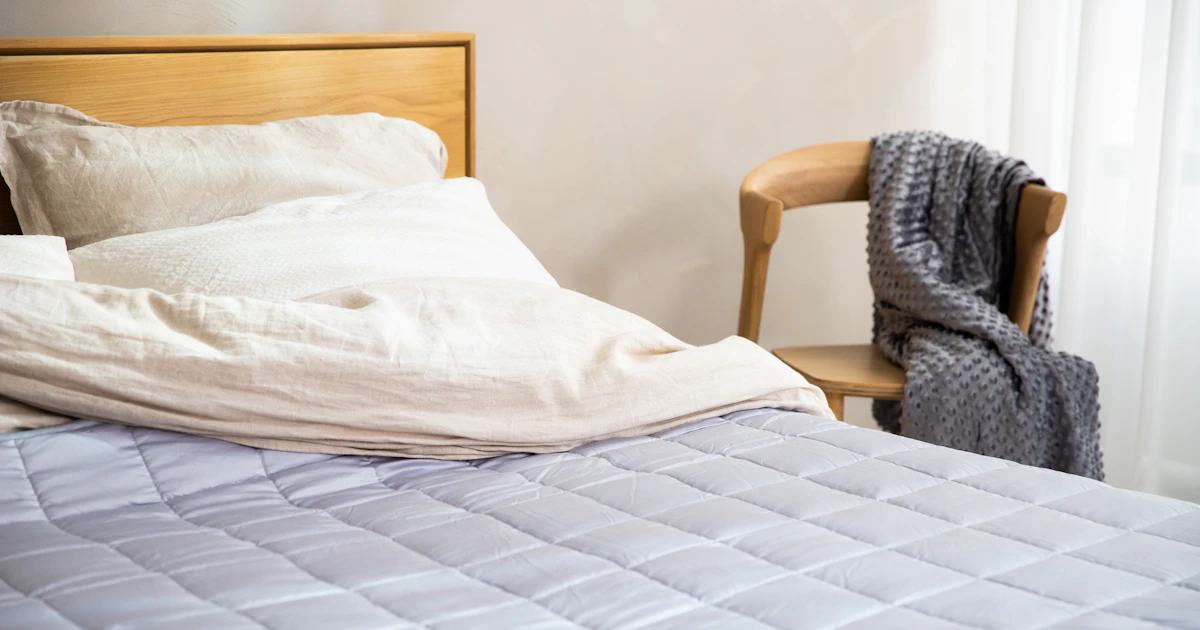
A weighted blanket is a heavy blanket, usually 5 to 30 pounds, filled with pellets or beads. It may help with anxiety and possibly with sleep, but studies are small and mixed. Choose about 10% of your body weight or less, do not use one for a child under 2 and ask a doctor first if you have asthma, sleep apnea, claustrophobia or a heart or circulation condition.
Weighted blanket benefits are real for some people but not proven for everyone. Studies suggest a weighted blanket may reduce anxiety, and results for sleep are mixed. Cleveland Clinic says the research on insomnia is sparse, and the American Academy of Neurology found no evidence that routine use improves sleep. For most adults the risks are low, with a few groups who should check with a doctor first.
This guide explains what a weighted blanket is, how it is supposed to work, the benefits the sources describe, who should avoid one and how to choose the weight. It is part of our sleep guide.
Quick answer
A weighted blanket is a heavy blanket, usually 5 to 30 pounds, filled with pellets or beads. It may help with anxiety and possibly with sleep, but studies are small and mixed. Choose about 10% of your body weight or less, do not use one for a child under 2 and ask a doctor first if you have asthma, sleep apnea, claustrophobia or a heart or circulation condition.
What is a weighted blanket?
Cleveland Clinic describes weighted blankets as filled with plastic pellets or glass beads that make them heavy, ranging from about 5 to 35 pounds. UPMC says most range from 5 to 30 pounds, and Healthline gives the same range and adds ball bearings as a possible fill. The idea rests on deep pressure, the calming effect of a firm hug or swaddling. Cleveland Clinic's sleep psychologist says whether that carries over to sleep is "possibly" true, but the evidence is not solid enough for surefire conclusions.
Weighted blanket benefits for anxiety
Cleveland Clinic says some studies have associated weighted blankets with reduced anxiety. Healthline lists a 2021 study of 122 psychiatric inpatients in which blanket users had lower anxiety, and a 2024 study of 24 people around Mohs skin surgery. UPMC cites a 2024 review that found improved anxiety in psychiatric patients. The studies are small, many are short and none shows a cure.
Do weighted blankets help you sleep?
Cleveland Clinic calls the research on insomnia sparse. It mentions one study of 120 adults and another of 102 adults with insomnia that reported better sleep, but also cites the American Academy of Neurology (2020), which found no evidence that routine use of weighted blankets improves sleep, while calling them a possibly reasonable strategy. UPMC reports a 2024 study of 26 adults in which about 70% improved, but the same study reported more apnea events. Healthline says more research is needed. The sources disagree on strength of evidence, so treat sleep benefits as unproven.
ADHD, autism and pain
UPMC and Healthline describe small studies in children and adults with ADHD or autism, including 85 people in one and 26 children in another, with some people reporting feeling calm. Cleveland Clinic says the research is not definitive. For pain, a 2021 study of 94 people found weighted blankets reduced the perception of chronic pain, especially in people with anxiety, but not pain intensity, according to Healthline. UPMC describes the result more generally as pain relief, so the pages differ.
Who should not use a weighted blanket?
- Young children. UPMC says children under 50 pounds should not use one, and Healthline says not under 2 years old because of suffocation risk. Ask a pediatrician.
- Asthma, sleep apnea or other breathing problems. UPMC and Healthline say the weight may make breathing harder.
- Claustrophobia. The constant pressure may cause problems.
- Frail or older adults. UPMC says older adults with frailty or dementia should not use one, and Healthline says older adults should choose a small or medium blanket.
- Heart, stroke, diabetes or low blood pressure. UPMC says to talk to a doctor first.
Overheating is not mentioned in any of the pages we read.
How heavy should a weighted blanket be?
The sources differ. Cleveland Clinic says no more than 10% of your body weight, UPMC says about 10%, and Healthline says 5% to 10%, with adult blankets of 12 to 30 pounds and small ones of 5 to 8 pounds for older adults. A 150-pound person would use about 15 pounds. The blanket should fit the size of the bed, according to Healthline. None of the pages gave washing instructions, so follow the label. Prices in Cleveland Clinic's article run from about $30 to several hundred dollars.

When to see a doctor
Talk to a doctor before using a weighted blanket if you have a heart, lung or sleep-breathing condition, are older or frail, or want to use one for a child. Cleveland Clinic also suggests talking to a healthcare provider about other ways to address sleep problems. See our guide to white noise and the weighted blanket guide.
FAQ
What are the benefits of a weighted blanket?
It may reduce anxiety and help some people feel calm. Evidence for better sleep is mixed.
What is a weighted blanket?
A blanket filled with pellets or beads, usually 5 to 30 pounds, that applies gentle deep pressure.
How heavy should a weighted blanket be?
About 10% of body weight or less. Healthline gives a 5% to 10% range.
Are weighted blankets safe?
For most adults the risk is low. People with breathing problems, claustrophobia, frailty or heart conditions should ask a doctor first.
Can children use a weighted blanket?
UPMC says children under 50 pounds should not, and Healthline says not under 2 years old. Ask a pediatrician.
Do weighted blankets help with insomnia?
Maybe. The American Academy of Neurology found no evidence of routine benefit.
Related guides: GABA and nervous system calming, magnesium glycinate and sleep, temperature and sleep.
This article is for general information and is not medical advice. Talk to a doctor about anxiety, insomnia or breathing problems.
Frequently asked questions
This article is for informational purposes only and does not constitute medical advice, diagnosis or treatment. Always consult a qualified healthcare professional before starting any supplement, diet or exercise programme, especially if you are pregnant, nursing, taking medication or have a medical condition. Statements about supplements have not been evaluated by the Food and Drug Administration.
Feel Better With Us Editorial Team
Our editors research every guide from primary sources and update it when the evidence changes. Our editorial standards