
SleepGuide
Weighted Blanket: How to Choose One and Use It Safely
A weighted blanket is a blanket filled with beads or pellets so it feels like a gentle, even hug. Many people find it calming and some sleep better with one, but the research is still limited, and weighted blankets are not suitable for everyone, especially babies and young children.
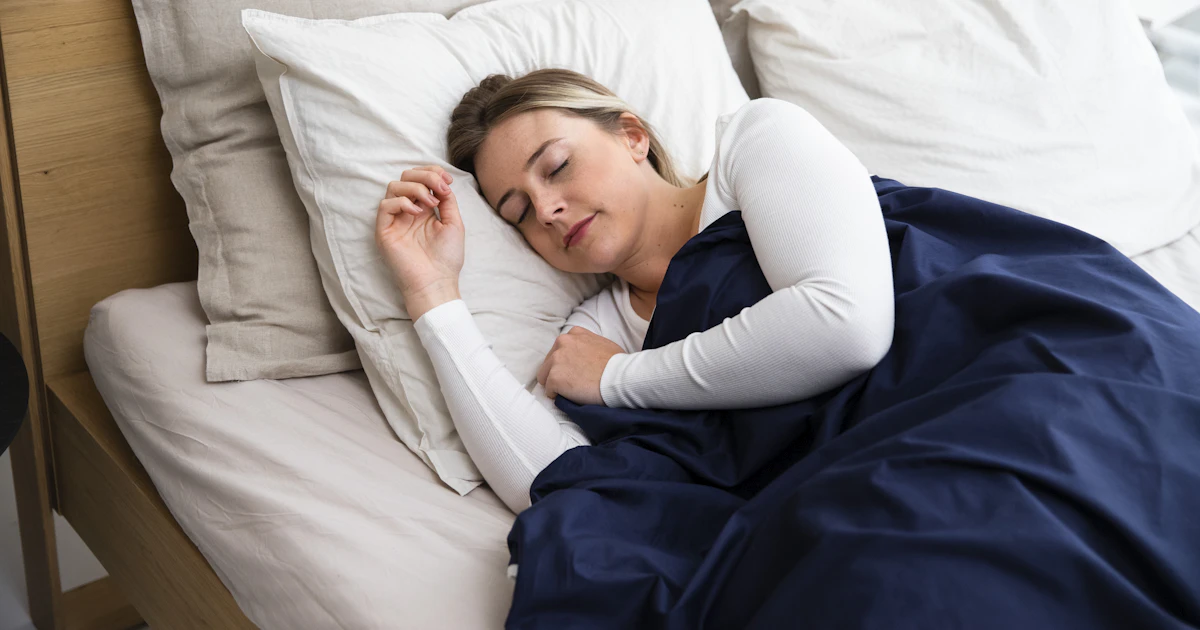
Choose a weighted blanket that is about 10% of your body weight, in a breathable fabric if you sleep hot, and check the care label so you can wash it. Weighted blankets may help some people feel calmer, but studies are small and mixed, and they are not a cure for insomnia or anxiety. Do not use them for infants or toddlers, and ask a doctor first if you have sleep apnea, asthma, heart or circulation problems, low blood pressure, diabetes or claustrophobia.
A weighted blanket is a blanket filled with beads or pellets so it feels like a gentle, even hug. Many people find it calming and some sleep better with one, but the research is still limited, and weighted blankets are not suitable for everyone, especially babies and young children.
This guide explains how a weighted blanket works, what the evidence says about sleep and anxiety, how to choose the right weight, the types available (for adults, for kids, cooling, heated), who should avoid them, and how to clean one. It is part of our sleep guide.
Quick answer
Choose a weighted blanket that is about 10% of your body weight, in a breathable fabric if you sleep hot, and check the care label so you can wash it. Weighted blankets may help some people feel calmer, but studies are small and mixed, and they are not a cure for insomnia or anxiety. Do not use them for infants or toddlers, and ask a doctor first if you have sleep apnea, asthma, heart or circulation problems, low blood pressure, diabetes or claustrophobia.
How does a weighted blanket work?
A weighted blanket uses deep pressure: gentle, even pressure across your body. Sleep Foundation explains that this pressure may activate the parasympathetic nervous system, the "rest and digest" side, which can slow your heart rate and ease stress. It adds that the brain may release more serotonin and melatonin and less cortisol, but presents these as possible mechanisms, not proven results.
The blanket gets its weight from a filling such as glass beads or plastic pellets that are spread through the fabric in small pockets.
Does a weighted blanket help you sleep?
The honest answer is "maybe, for some people". Here is what the sources say:
- Sleep Foundation says more research is needed. Early studies suggest possible benefits for anxiety, depression, insomnia, chronic pain and restless legs, and it calls weighted blankets a supportive tool, not a cure.
- UPMC's health benefits of weighted blankets describes small studies on anxiety, ADHD, insomnia and chronic pain, but notes that research is ongoing. It also points out that one insomnia study reported more apnea episodes, which is a concern for people with sleep apnea.
- WebMD is more cautious: it says there is no solid proof that weighted blankets treat health or sleep problems, and it describes the deep-pressure idea as a theory.
In short, a weighted blanket is worth trying if you like the feeling, but do not expect it to fix a sleep problem. For good sleep habits, see our <!-- LINK when live: /us/sleep | anchor: guide to sleeping better -->guide to sleeping better<!-- /LINK -->.
How to choose a weighted blanket
Weight
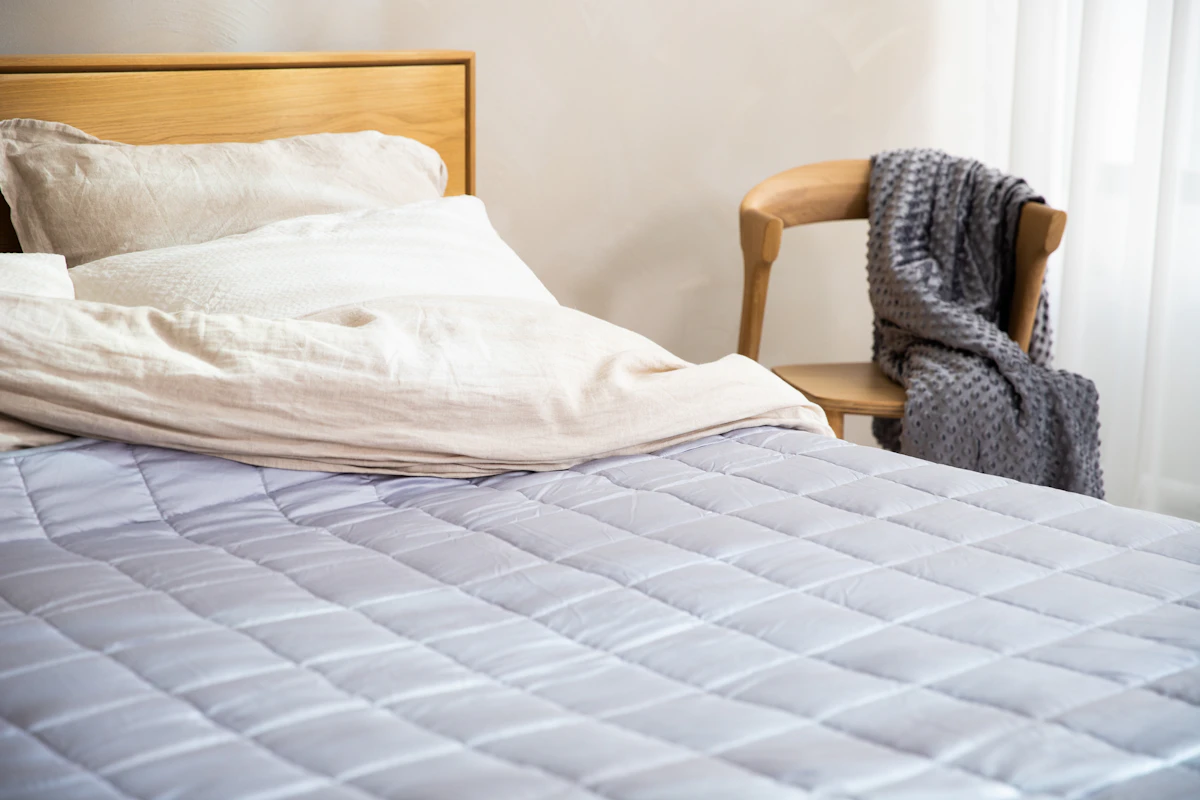
The usual rule is about 10% of your body weight. Sleep Foundation gives this guideline and says that if the blanket is hard to move under or makes you overheat, it may be too heavy. UPMC's example: someone who weighs 150 pounds would choose a blanket of about 15 pounds. Typical adult blankets weigh about 15 to 25 pounds, and sources describe a wider range from a few pounds up to 30 pounds.
If you are between sizes, choose the lighter one. WebMD advises no more than 10% of body weight.
Size
Choose a blanket that covers your body, not the whole bed. A weighted blanket for a couple on a queen bed is often heavy, so many people use one each.
Fabric and temperature
Weighted blankets can feel warm. If you sleep hot, look for a cooling weighted blanket made of breathable fabric such as cotton or bamboo, or with a cooling cover. We did not find a clear source comparing cooling designs, so judge by the fabric, the weight and reviews from people who sleep hot. A heated weighted blanket adds warmth with an electric element: follow the maker's instructions, never use a damaged one and do not fall asleep on a very high setting.
Filling
Glass beads feel smoother and less bulky than plastic pellets, and are usually spread more evenly. Check that the stitching is tight and that the filling cannot leak.
Washing: how to clean a weighted blanket
Check the care label before you buy. WebMD advises looking at the washing instructions first to see if the blanket is easy to launder at home. Many people use a removable washable cover (a duvet cover) so the blanket itself needs washing less often. Heavy blankets can be too much for a home washing machine, so check the weight limit on the machine.
Weighted blanket for adults
For adults, start with the 10% rule and a breathable fabric. Try it for a few nights. Some people love it right away, others find it too hot or heavy. If you wake up sweaty or feel trapped, a lighter blanket or none may suit you better.
Weighted blanket for anxiety
Many people use a weighted blanket when they feel anxious or overstimulated. Some small studies suggest it may lower anxiety, but evidence is mixed, and it is not a treatment for an anxiety disorder. If you feel anxious often, talk to a doctor or a mental health professional. For stress-relief habits, see our <!-- LINK when live: /us/stress-mood | anchor: stress and relaxation guide -->stress and relaxation guide<!-- /LINK -->.
Weighted blanket for kids
This is where you should be most careful.
- Infants and toddlers should not use weighted blankets. WebMD says infants, toddlers and very young children should not use them because pellets can be a choking hazard and the blanket could cover a child's face.
- Weight and age limits differ between sources. Sleep Foundation says weighted blankets are generally considered suitable for children over age 3 who weigh at least 50 pounds, after checking with a pediatrician, while UPMC says children under 50 pounds should not use one. Either way, ask your child's pediatrician first.
- The child must be able to remove it alone. Sleep Foundation says a child should be able to take the blanket off by themselves. Use about 10% of the child's body weight, and never use a weighted blanket as a way to keep a child in bed.
- Extra caution for children with medical conditions. WebMD says they are not safe for children with problems such as epilepsy, breathing or heart problems, or circulation problems.
Who should not use a weighted blanket
Ask your doctor first, or avoid weighted blankets, if you:
- have sleep apnea or another breathing problem (the pressure may make breathing harder);
- have asthma or other respiratory or circulatory conditions;
- have low blood pressure, type 2 diabetes or heart disease;
- feel claustrophobic;
- have limited mobility or cannot easily move the blanket off yourself, which includes some older adults with frailty or dementia;
- are pregnant (ask your doctor).
Stop using the blanket and talk to a doctor if you have trouble breathing, pain, numbness or anything that feels wrong.
How to use a weighted blanket
- Start with a trial of a few nights, not just one.
- Lay it over your body from the shoulders down, not over your head or face.
- Use it with a normal sheet or a light cover to control temperature.
- Make sure you can move out from under it easily.
- Use it for naps or while relaxing on the sofa if you want to try it without a full night.
Weighted blanket buying checklist
- Weight about 10% of body weight.
- Breathable fabric, or a cooling cover if you run hot.
- Even stitching and secure filling.
- Washable, or with a removable cover.
- A clear return or trial policy.
- Not for infants or toddlers.
We choose by features, not by brand, so you can use this list in any store.
<!-- COMPARE CTA SLOT (CTA: compare, product line: Sleep products). One row per need (adult, hot sleepers, kids over the age and weight limits, heated), rendered ONLY with an active merchant link via /go/{brand}, rel="sponsored nofollow noopener". With no active merchant, render nothing. No ratings, discounts or "clinically proven" badges. -->FAQ
How heavy should a weighted blanket be?
About 10% of your body weight is the common guideline. If it feels too heavy or hot, choose a lighter one.
Can you sleep with a weighted blanket every night?
Many adults do if it feels comfortable. If you have a health condition such as sleep apnea or asthma, ask your doctor first.
Are weighted blankets safe for kids?
Not for infants or toddlers. For older children, ask a pediatrician first, choose about 10% of their body weight and make sure they can remove it alone.
Do weighted blankets help with anxiety?
Some people feel calmer with one and a few small studies suggest benefits, but evidence is mixed and it is not a treatment.
Can you wash a weighted blanket?
Many can be washed, but check the care label. A removable cover makes washing easier. Very heavy blankets may be too much for a home washing machine.
What is the best weighted blanket for hot sleepers?
Look for a breathable fabric such as cotton or bamboo, or a cooling cover, and a weight at the lower end of your range.
Related guides: the parasympathetic nervous system and how temperature shapes sleep.
This article is for general information and is not medical advice. Talk to a doctor before using a weighted blanket if you have a health condition, and to a pediatrician before using one for a child.
Frequently asked questions
This article is for informational purposes only and does not constitute medical advice, diagnosis or treatment. Always consult a qualified healthcare professional before starting any supplement, diet or exercise programme, especially if you are pregnant, nursing, taking medication or have a medical condition. Statements about supplements have not been evaluated by the Food and Drug Administration.
Feel Better With Us Editorial Team
Our editors research every guide from primary sources and update it when the evidence changes. Our editorial standards