
SleepComparison
Best Pillow for Neck Pain: How to Choose One
The best pillow for neck pain keeps your neck in line with your spine while you sleep. For most people that means a fairly low pillow for back sleeping, a higher pillow for side sleeping, and a very thin one or none for stomach sleeping. A contoured (cervical) pillow or a latex or foam pillow works well for many people, but the right one depends on your body and sleep position.

Choose by sleep position. Back sleepers usually do best with a fairly low pillow, sometimes with a small rolled towel under the neck. Side sleepers need a higher pillow that fills the gap between ear and shoulder. Stomach sleeping is hard on the neck: use a very thin pillow or none, or switch to your back or side. Cleveland Clinic says contoured cervical pillows work best for most people. Avoid pillows that are too high, too flat or too firm. Neck pain that lasts more than a week, spreads or comes with numbness or weakness needs a doctor.
The best pillow for neck pain keeps your neck in line with your spine while you sleep. For most people that means a fairly low pillow for back sleeping, a higher pillow for side sleeping, and a very thin one or none for stomach sleeping. A contoured (cervical) pillow or a latex or foam pillow works well for many people, but the right one depends on your body and sleep position.
This guide explains how to match a pillow to your sleep position, which materials and shapes physical therapists and clinics mention, what to avoid, other ways to ease neck pain at night and when to see a doctor. It is part of our sleep guide.
Quick answer
Choose by sleep position. Back sleepers usually do best with a fairly low pillow, sometimes with a small rolled towel under the neck. Side sleepers need a higher pillow that fills the gap between ear and shoulder. Stomach sleeping is hard on the neck: use a very thin pillow or none, or switch to your back or side. Cleveland Clinic says contoured cervical pillows work best for most people. Avoid pillows that are too high, too flat or too firm. Neck pain that lasts more than a week, spreads or comes with numbness or weakness needs a doctor.
Match the pillow to your sleep position
The physical therapist who wrote Spine-health's guide to pillows for neck pain says the key is a pillow with the right height and firmness for your body size, sleep position and preference. A pillow that is too high or too firm stops the neck from relaxing, and one that is too flat strains it.
| Sleep position | What to look for |
|---|---|
| Back | Fairly low pillow; a small rolled towel or roll-shaped pillow under the neck may help |
| Side | Higher pillow so the head stays level, with a rolled towel or contoured pillow for the neck; pillow between the knees |
| Stomach | Very thin pillow or none; or a pillow under the forehead. Not recommended long term |
| Combination | A pillow that works for both back and side sleeping, or change pillow height when you switch |
If you are looking for the best pillow for neck and shoulder pain, the same rules apply. The sources we read do not test pillows for shoulder pain separately, so good pillows for neck and shoulder pain are those that keep the head level with the spine and the neck supported, and a physical therapist can help if the pain continues.
Cleveland Clinic's rule of thumb is that the pillow should keep your neck parallel to the mattress. It lists sleeping with your head bent forward, chin toward chest, with your head bent to one side, or twisted on your stomach as problem positions. Healthline adds that for side sleepers the ears should stack vertically over the shoulders, not tilted toward the shoulder, and that back or side sleeping is generally preferred over stomach sleeping.
For more on positions, see our guide to the best sleeping position, and our guide to the best pillow for side sleepers.
Pillow shapes and materials
The sources do not agree on every material, and none gives hard evidence, so treat this as a starting point.
-
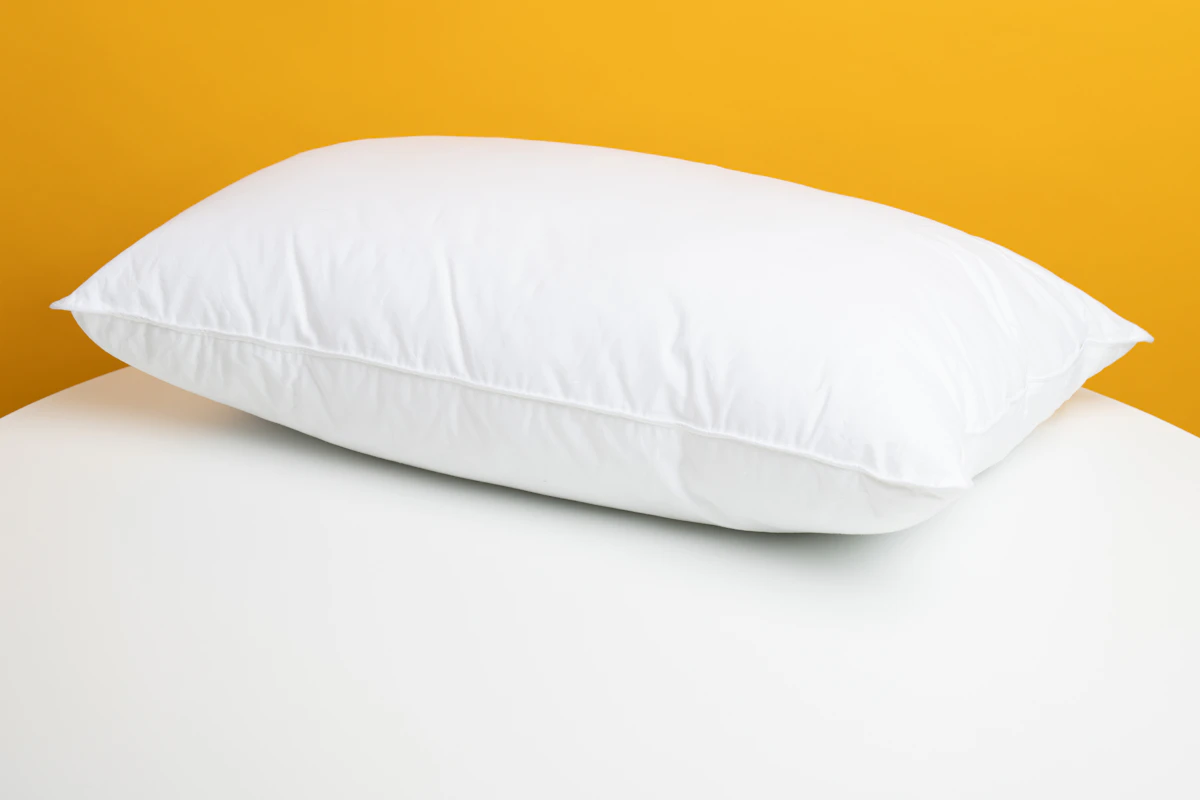
Cervical (contour) pillows. Cleveland Clinic says cervical contour pillows work best for most people, followed by foam contour pillows. Healthline says a cervical or memory foam pillow may help back sleepers.
-
Latex. Cleveland Clinic calls natural latex generally the best material, because it runs cooler, and suggests memory foam if you are allergic to latex. Healthline suggests supportive foam or latex over down.
-
Memory foam. Healthline cites a 2019 study in which memory foam plus chiropractic care did better than chiropractic care alone. That study did not test pillows by themselves. Cleveland Clinic says memory foam is trial and error.
-
Feather and down. Cleveland Clinic says feather pillows cause the most neck pain and down is only somewhat better. Healthline's sleep guide suggests a soft feather pillow that forms to your head. The sources disagree, so try before you decide.
-
Buckwheat. Cleveland Clinic says buckwheat is cool and supports side sleepers, but the hulls are noisy and support can slip. A Healthline roundup recommends one as a firm option.
-
Mixed and shredded fills. Cleveland Clinic says there is little research behind a blanket recommendation and that shredded foam loses stability.
Your mattress matters too. Cleveland Clinic says a firmer mattress needs a thicker pillow, while a memory foam topper or pillow-top mattress needs a thinner one.
What to look for when buying the best pillow for neck pain
- Height (loft). Match it to your position and shoulder width. One tester with a short neck found very flat pillows suited her best, and Healthline's roundup describes side sleepers with broad shoulders needing more loft.
- Firmness. Supportive but not stiff. Healthline reports a 2021 study of 10 adults, which found that pillows that are too stiff or too full keep the neck flexed.
- Adjustability. Some pillows come in two heights, one for back or stomach sleepers and one for side or combination sleepers.
- Trial period. Healthline notes that the trial periods in its roundup range from about 30 to 100 nights; this is product-specific, not a standard. A longer trial lets you test it over a few weeks.
- Allergies. Choose a material that suits you if you have animal-dander or latex allergies.
Our sleep products section lists the pillows we review.
Other ways to ease neck pain at night
- Sleep on your back or side, not your stomach.
- Keep your chin neutral and your neck from bending to either side.
- Put a pillow between your knees if you sleep on your side, or under your knees if you sleep on your back.
- Healthline suggests heat or ice (alternating as you prefer), gentle stretches such as shoulder rolls and ear-to-shoulder stretches, and good posture during the day, with your monitor and phone at eye level.
- A horseshoe-shaped pillow can support the neck when you are sitting or traveling, as both Spine-health and Healthline note.
- Over-the-counter pain relievers may help. Healthline says ibuprofen should not be taken on an empty stomach and not for more than 10 days without medical approval; check with a pharmacist or doctor.
Poor sleep can also make neck pain last longer: a 2015 study cited by Healthline linked poor sleep to less improvement in chronic neck pain.
When to replace your pillow
A Healthline roundup suggests replacing a pillow every one to two years, sooner for feather pillows or if you notice new pain or uneven filling. That figure comes from the part of the page we could only read in summary, so check the page, and treat it as a rule of thumb.
When to see a doctor
According to Healthline's roundup, see a doctor if neck pain lasts more than a week after changing your pillow or posture, spreads, or comes with arm numbness, weakness or shooting pain. Seek immediate care after severe pain or an injury, such as a fall or car accident. A physical therapist can also help find a pillow height that suits your neck.
FAQ
What is the best pillow for neck pain?
There is no single best pillow. Cleveland Clinic says contoured cervical pillows work best for most people, but the right height depends on your sleep position and body size.
Should I sleep with a pillow if I have neck pain?
Back and side sleepers usually need one. Stomach sleepers should use a very thin pillow or none.
Are cervical pillows good for neck pain?
They are often recommended, and Cleveland Clinic says they work best for most people, but there is little high-quality research, so try one with a trial period.
Are memory foam pillows good for neck pain?
They may help some people. The evidence is limited and sources describe it as trial and error.
How high should my pillow be?
High enough to keep your neck level with your spine: lower for back sleepers, higher for side sleepers, especially with broad shoulders.
Can the wrong pillow cause neck pain?
It can contribute. Pillows that are too high, too flat or too firm can strain the neck, but other causes are possible, so see a doctor if pain persists.
Related guides: how temperature shapes sleep and blue light and melatonin.
This article is for general information and is not medical advice. Talk to a doctor or physical therapist about neck pain that lasts more than a week or comes with numbness or weakness.
Frequently asked questions
This article is for informational purposes only and does not constitute medical advice, diagnosis or treatment. Always consult a qualified healthcare professional before starting any supplement, diet or exercise programme, especially if you are pregnant, nursing, taking medication or have a medical condition. Statements about supplements have not been evaluated by the Food and Drug Administration.
Feel Better With Us Editorial Team
Our editors research every guide from primary sources and update it when the evidence changes. Our editorial standards