
Oral CareQ&A
What Causes Bad Breath? 10 Common Reasons
What causes bad breath? In most people the cause is in the mouth: bacteria that break down food particles on the teeth, gums and especially the tongue, and release smelly gases. Less often the source is the nose, throat, stomach or a health condition.

Most bad breath (halitosis) starts in the mouth. Bacteria on the teeth, gums and tongue break down food and give off odor, and a dry mouth, gum disease or cavities make it worse. Strong foods, tobacco, sinus or throat problems and some medicines or health conditions can also cause bad breath. If it lasts despite good brushing, flossing and tongue cleaning, see your dentist first.
What causes bad breath? In most people the cause is in the mouth: bacteria that break down food particles on the teeth, gums and especially the tongue, and release smelly gases. Less often the source is the nose, throat, stomach or a health condition.
This guide covers the bad breath causes in plain language, the 10 most common reasons, why your breath can smell even if you brush, and when to see a dentist or doctor. For ways to fix it, see our guide to <!-- LINK when live: /us/oral-care/bad-breath | anchor: how to get rid of bad breath -->how to get rid of bad breath<!-- /LINK -->.
Quick answer
Most bad breath (halitosis) starts in the mouth. Bacteria on the teeth, gums and tongue break down food and give off odor, and a dry mouth, gum disease or cavities make it worse. Strong foods, tobacco, sinus or throat problems and some medicines or health conditions can also cause bad breath. If it lasts despite good brushing, flossing and tongue cleaning, see your dentist first.
What causes bad breath? The 10 most common reasons
Doctors and dentists call persistent bad breath halitosis. Causes bad breath halitosis: the list below starts with the most common, and it applies to adults and children alike.
1. Plaque and food left in the mouth
Food that stays between your teeth and along the gumline is broken down by bacteria, which release odorous compounds. MedlinePlus lists not brushing or flossing enough as a main cause of bad breath. Brushing twice a day with fluoride toothpaste and cleaning between your teeth removes most of this.
2. A coated tongue
The back of the tongue is a hiding place for bacteria and food debris. A review in the Journal of the American Dental Association (JADA) describes the tongue as a major source of bad breath in otherwise healthy people. If you never clean your tongue, this may be why your breath smells so bad even after you brush.
3. Gum disease
Gingivitis and periodontitis (infections of the gums) can cause persistent bad breath, along with red, swollen or bleeding gums. Harvard Health lists gum disease among the common causes of bad breath, and so does MedlinePlus. This is a reason to see a dentist.
4. Cavities
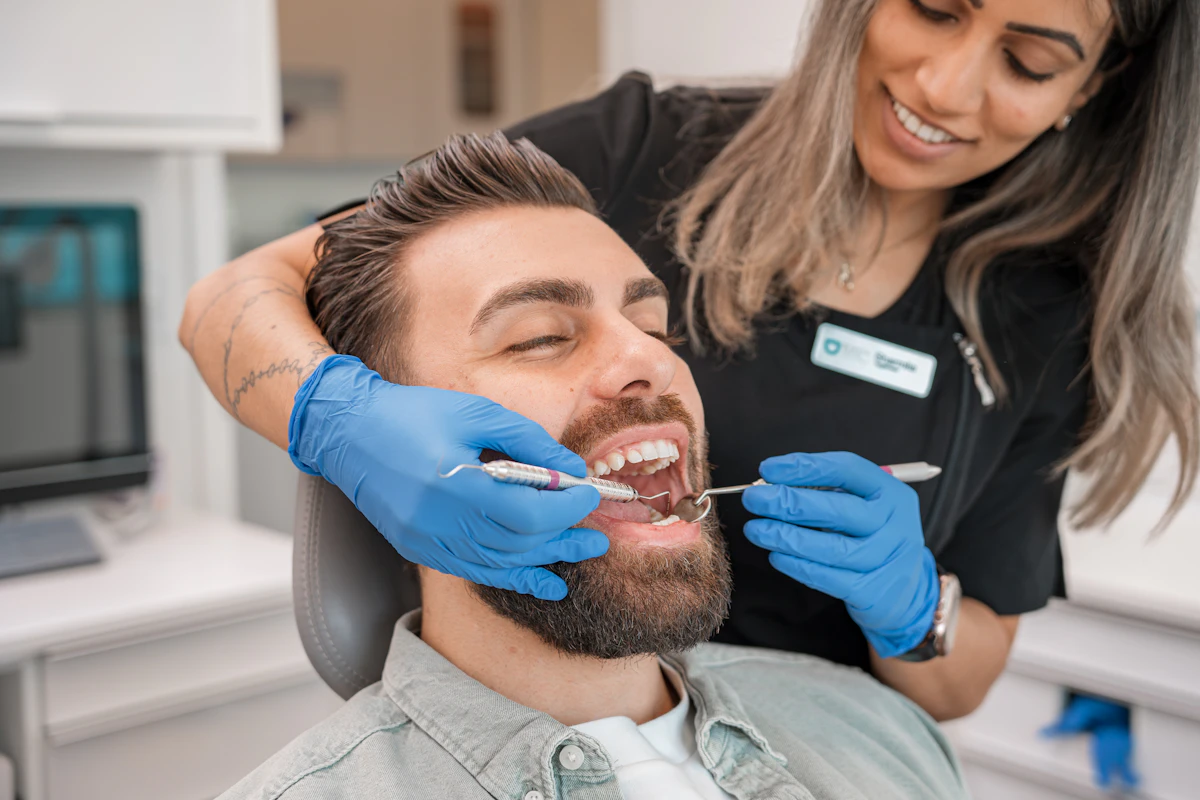
Do cavities cause bad breath? They can. Decayed teeth hold food and bacteria that are hard to clean, and MedlinePlus includes cavities in its list of causes. A dental check-up and treatment of the cavity usually solves it.
5. Dry mouth
Saliva rinses away food and bacteria. When your mouth is dry, odor builds up. Dry mouth can come from mouth breathing, dehydration, some medicines, tobacco or a salivary gland problem. It is also the reason for "morning breath": saliva flow drops during sleep.
6. Strong foods and drinks
Garlic, onions and cabbage are well-known culprits. Their compounds are absorbed, travel in the bloodstream to the lungs and are exhaled, so brushing alone does not remove the smell. Harvard Health also lists alcohol and coffee. The smell passes when the food is out of your system.
7. Tobacco and alcohol
Smoking and other tobacco use cause their own odor, dry the mouth and raise the risk of gum disease. Alcohol can dry the mouth as well.
8. Problems in the nose, throat or sinuses
Sinus infections, tonsillitis, bronchitis and postnasal drip can give breath a bad smell. Harvard Health and MedlinePlus both mention sinus and throat conditions. If you have other symptoms such as congestion, a sore throat or a cough, treating the infection often clears the odor.
9. Stomach and other health conditions
People often ask what causes bad breath from the stomach. Harvard Health says some gastrointestinal diseases can be a cause, without naming them, and that advanced liver or kidney disease and poorly controlled diabetes can also change the smell of the breath. These are far less common than mouth causes. If you have no dental problem and the odor persists, ask your doctor.
10. Medicines
MedlinePlus notes that some diseases and medicines can cause a specific breath odor. Many medicines dry the mouth, and dry mouth is itself a cause of bad breath. Do not stop a prescribed medicine on your own; ask your doctor or pharmacist if you think a medicine is the cause.
Why does my breath smell so bad even after brushing?
If you wonder why does my breath smell so bad even after brushing your teeth, the likely reasons are:
- you are not cleaning your tongue or between your teeth, where most odor starts;
- a cavity or gum infection that brushing does not reach;
- a dry mouth;
- strong food that has been absorbed, such as garlic;
- dentures that are not cleaned thoroughly, since they can hold food and bacteria;
- a cause outside the mouth, such as a sinus problem.
A short experiment helps: brush, floss and gently clean your tongue for a few days. If the smell stays, tell your dentist.
Causes of bad breath in children
Causes of bad breath in children are mostly the same as in adults: poor brushing, a coated tongue, mouth breathing, dry mouth and cavities. A stuffy nose from a cold or allergies and tonsil problems are also common in children. A small object in the nose can cause a bad smell on one side. If bad breath in a child does not go away with good brushing, ask a dentist or pediatrician.
Chronic bad breath: what is different?
The causes of bad breath in adults are the ones listed above, and causes of chronic bad breath are the same list, but persistent. Gum disease, cavities, dry mouth and tobacco are the most common, and in less common cases a health condition outside the mouth. "Chronic" means it has lasted more than a few weeks despite good care. Harvard Health also describes people who believe they have bad breath when they do not (pseudo-halitosis), and people who worry intensely about it. A dentist can check objectively.
A short checklist to find your own cause
If you keep asking what's the cause of bad breath in your case, go through this list in order. It narrows down the answer faster than guessing:
- Your mouth. Do you clean between your teeth every day, and do you clean your tongue? Are your gums red or bleeding?
- Your teeth. Do you have a toothache, a visible hole or a filling that has come loose?
- Your saliva. Is your mouth often dry, do you breathe through your mouth at night, or do you drink little water?
- Your habits. Do you smoke or use tobacco, drink alcohol often or eat a lot of garlic and onions?
- Your nose and throat. Do you have congestion, postnasal drip or frequent sore throats?
- Your medicines and health. Has your medicine list changed recently, or do you have a condition such as diabetes?
If the first four points are fine and the smell is still there, tell your dentist or doctor. They can look at points five and six.
Is it just in my mind? Check your breath
It is hard to smell your own breath. Two simple tests: lick the inside of your wrist, let it dry for a few seconds and smell it; or floss between the back teeth and smell the floss. A trusted person can also tell you honestly. If you are still unsure, a dentist can assess it.
When to see a dentist or doctor
See a dentist first if:
- your bad breath lasts despite good brushing, flossing and tongue cleaning;
- your gums are red, swollen, painful or bleeding;
- you have a toothache, a bad taste or a visible cavity;
- your mouth is often dry.
See a doctor if the bad breath comes with a long-lasting sore throat, nasal symptoms, heartburn, unexplained weight loss, increased thirst, or if your dentist finds no cause. Harvard Health advises that a primary care doctor can evaluate the problem and refer you to a dentist for dental or gum problems.
FAQ
Can stomach problems cause bad breath?
Sometimes. Harvard Health says some gastrointestinal diseases can cause bad breath, but most bad breath comes from the mouth. If your teeth, gums and tongue are healthy and the problem continues, ask your doctor.
Do cavities cause bad breath?
Yes, they can. Decay traps food and bacteria. Treating the cavity and cleaning well usually helps.
Why is my breath worst in the morning?
Saliva production drops while you sleep, so the mouth dries out and bacteria multiply. Brushing, cleaning your tongue and drinking water in the morning helps. Persistent strong morning odor with a dry mouth is worth mentioning to your dentist.
Is bad breath a sign of illness?
Usually not. Most cases are caused by mouth hygiene, gum disease, dry mouth or food. Occasionally it is a sign of a sinus, throat, stomach, liver, kidney or diabetes problem, which is why persistent bad breath that dentists cannot explain should be checked by a doctor.
Can tonsils cause bad breath?
Yes. Tonsillitis is listed by Harvard Health as a cause. Some people also notice small white or yellow bits on the tonsils, which can smell. Ask a doctor if you have a sore throat or fever.
Does mouthwash fix bad breath?
Mouthwash may only mask odor for a short time, according to dental sources, so it is not a solution if the cause is not treated. If you use one, an alcohol-free product can be gentler on a dry mouth. See our guide to <!-- LINK when live: /us/oral-care/mouthwash | anchor: mouthwash -->mouthwash<!-- /LINK -->.
This article is for general information and is not medical advice. Talk to a dentist or doctor about bad breath that continues or comes with other symptoms.
Frequently asked questions
This article is for informational purposes only and does not constitute medical advice, diagnosis or treatment. Always consult a qualified healthcare professional before starting any supplement, diet or exercise programme, especially if you are pregnant, nursing, taking medication or have a medical condition. Statements about supplements have not been evaluated by the Food and Drug Administration.
Feel Better With Us Editorial Team
Our editors research every guide from primary sources and update it when the evidence changes. Our editorial standards