
Oral CareGuide
Mouthwash: Types, How to Choose and How to Use It
Mouthwash is a liquid rinse that can freshen breath and, depending on its ingredients, help control plaque and gum inflammation or prevent cavities. It is a supplement, not a replacement for brushing and flossing. The best mouthwash depends on your goal: fluoride for cavities, an antiseptic for plaque, gingivitis or bad breath, an alcohol-free formula if your mouth is dry.

Choose a mouthwash for a specific goal: a fluoride rinse for cavities, an antiseptic rinse (essential oils or cetylpyridinium chloride) for plaque, gingivitis or bad breath, and an alcohol-free rinse if your mouth is dry. Look for the American Dental Association (ADA) Seal of Acceptance. Use it in addition to brushing and flossing, not instead. Children under 6 should not use mouthwash unless a dentist advises it. If bad breath, bleeding gums or mouth pain persist, see a dentist.
Mouthwash is a liquid rinse that can freshen breath and, depending on its ingredients, help control plaque and gum inflammation or prevent cavities. It is a supplement, not a replacement for brushing and flossing. The best mouthwash depends on your goal: fluoride for cavities, an antiseptic for plaque, gingivitis or bad breath, an alcohol-free formula if your mouth is dry.
This guide explains the types of mouthwash, how to choose one, how and when to use it, side effects, and when to ask a dentist. It is part of our oral care guide.
Quick answer
Choose a mouthwash for a specific goal: a fluoride rinse for cavities, an antiseptic rinse (essential oils or cetylpyridinium chloride) for plaque, gingivitis or bad breath, and an alcohol-free rinse if your mouth is dry. Look for the American Dental Association (ADA) Seal of Acceptance. Use it in addition to brushing and flossing, not instead. Children under 6 should not use mouthwash unless a dentist advises it. If bad breath, bleeding gums or mouth pain persist, see a dentist.
Types of mouthwash
The ADA's page on mouthrinse says there are two broad types.
- Cosmetic mouthwash only masks odor and leaves a taste. It does not act on bacteria or on the compounds that cause bad breath, and it does not lower the risk of cavities or gum disease.
- Therapeutic mouthwash contains active ingredients that do something specific.
| Active ingredient | What it is used for |
|---|---|
| Fluoride | Helps prevent tooth decay |
| Essential oils (menthol, eucalyptol, thymol, methyl salicylate) | Help control plaque and gingivitis; sold over the counter |
| Cetylpyridinium chloride (CPC) | Antimicrobial; added to help with bad breath, plaque and gingivitis |
| Chlorhexidine | Controls plaque and gingivitis; prescription only |
| Peroxide | Whitening rinses; may reduce surface stains only |
| Saliva substitutes | Relief for dry mouth |
Antiseptic and antibacterial mouthwash is the group that includes essential oils, CPC and chlorhexidine. The ADA says a systematic review found these ingredients help control plaque and gingivitis, as an add-on for people who cannot control plaque with brushing and cleaning between the teeth alone.
How to choose a mouthwash
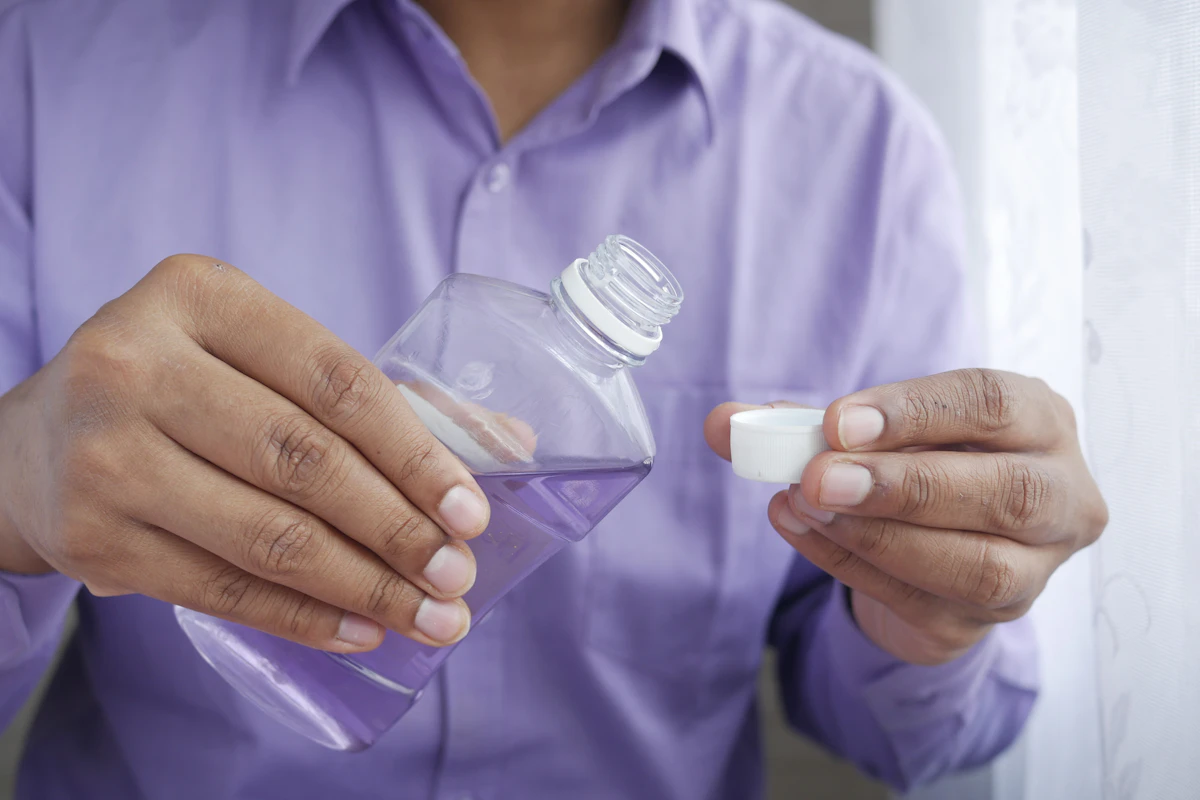
Decide your goal
- Cavities. A fluoride mouthwash. The ADA notes a Cochrane review that found fluoride rinses reduce decay, whatever other fluoride a person uses.- Plaque and gingivitis. An antiseptic mouthwash with essential oils or CPC. A dentist can prescribe chlorhexidine for more serious gum problems.
- Bad breath. Antimicrobial ingredients, including CPC, are used for this. Healthline's dentist-reviewed guide notes that CPC can leave an unpleasant taste or temporarily stain teeth.
- Dry mouth. The ADA suggests an alcohol-free formula, because alcohol can dry the mouth. A fluoride rinse may also help because low saliva raises the risk of cavities.
- Whitening. A peroxide rinse may reduce surface stain only. The ADA cites a study in which a 1.5 percent peroxide rinse whitened teeth in eight times as many users as a placebo, but results take time, and it does not change the natural color of teeth.
Look for the ADA Seal
The ADA Seal of Acceptance means the maker submitted evidence of safety and effectiveness that the ADA evaluated. MouthHealthy, the ADA's consumer site, says to look for it. Not every mouthwash has the seal, and absence does not mean a product is unsafe, but it is a quick check. The seal's criteria vary by claim; for example, a fluoride rinse must show its fluoride concentration.
Alcohol or alcohol-free?
Alcohol-containing rinses may burn, and Healthline says they may not suit people who avoid alcohol. The ADA says a systematic review found no link between mouthwash, including alcohol-containing mouthwash, and oral cancer. That review dates from 2012, so ask your dentist if you have concerns. Alcohol-free formulas are a good choice for dry or sensitive mouths.
How to use mouthwash
Mouthwashing is an extra step in your routine, not the main one. The ADA's sources do not give a standard amount or time for over-the-counter rinses, so follow the label. A few points from the sources we read:
- Use it as an extra step. Brush for two minutes and clean between your teeth first, because a rinse does not replace them.
- Think about timing. ADA News advises using mouthwash at a different time than brushing, because rinsing right after can dilute the fluoride in toothpaste, and toothpaste ingredients can reduce a rinse's effect. The ADA library says the order is a matter of preference unless the label says otherwise.
- Swish for the time on the label. One dentist-reviewed guide mentions a product with a one-minute swish; this varies by product.
- Spit it out. Do not swallow.
- After a fluoride rinse, ADA News says to avoid eating or drinking for at least 30 minutes.
Side effects and cautions
- Staining. CPC and chlorhexidine can cause brown stains on teeth, the tongue and fillings. Chlorhexidine can also change taste and increase tartar.
- Burning and dry mouth. Alcohol-containing rinses may sting or dry the mouth.
- Taste changes. CPC can leave an unpleasant taste.
- Allergic reactions. Healthline says chlorhexidine can rarely cause serious allergic reactions. Stop and seek care if you notice swelling or trouble breathing.
- Children. The ADA does not recommend mouthwash for children under 6, because they may swallow it, and rinses that contain alcohol can cause nausea, vomiting and intoxication. Ask a dentist before giving it to an older child, and supervise.
Mouthwash and bad breath
If your main problem is bad breath, a rinse may help for a while, but it does not fix the cause. Common causes include plaque, gum disease, dry mouth and food on the tongue. See our guide on what causes bad breath, and if you want to whiten your teeth, our teeth whitening guide.
When to see a dentist
See a dentist if:
- bad breath does not improve after a few weeks of good brushing and cleaning between your teeth;
- your gums bleed, swell or hurt;
- you have mouth sores that do not heal, or your mouth is very dry;
- you have had a tooth pulled and have severe pain a few days later;
- you are not sure which type of mouthwash suits you.
The sources we read do not give set symptom rules for seeing a dentist; these are general safety suggestions.
FAQ
What is the best mouthwash?
It depends on your goal: fluoride for cavities, an antiseptic with essential oils or CPC for plaque and bad breath, alcohol-free for dry mouth. Look for the ADA Seal.
Is antiseptic mouthwash good for you?
It can help control plaque and gingivitis as an addition to brushing and cleaning between teeth. Some ingredients can stain teeth or change taste, so ask your dentist if you plan to use one daily.
Should I use mouthwash before or after brushing?
The ADA library says it is a matter of preference unless the label says otherwise. ADA News suggests using it at a separate time so the toothpaste fluoride stays on your teeth.
Is fluoride mouthwash worth using?
It may help people at higher risk of cavities, including those with dry mouth. Ask your dentist whether you need one.
Can mouthwash replace brushing?
No. All the sources we read say mouthwash does not replace brushing and flossing.
Is alcohol in mouthwash dangerous?
It can sting and dry the mouth, and it is a risk for children who swallow it. A 2012 review found no link between alcohol-containing mouthwash and oral cancer.
This article is for general information and is not medical advice. Talk to a dentist about persistent bad breath, bleeding gums or mouth pain.
Frequently asked questions
This article is for informational purposes only and does not constitute medical advice, diagnosis or treatment. Always consult a qualified healthcare professional before starting any supplement, diet or exercise programme, especially if you are pregnant, nursing, taking medication or have a medical condition. Statements about supplements have not been evaluated by the Food and Drug Administration.
Feel Better With Us Editorial Team
Our editors research every guide from primary sources and update it when the evidence changes. Our editorial standards