
Oral CareQ&A
Are Electric Toothbrushes Better Than Manual Ones?
Are electric toothbrushes better? Some trials say they reduce plaque and gum inflammation more than manual brushes, but major dental sources say either type cleans well if you brush thoroughly. The American Dental Association (ADA) says that, for your teeth, it is a wash: choose the one you will use properly, twice a day for two minutes.
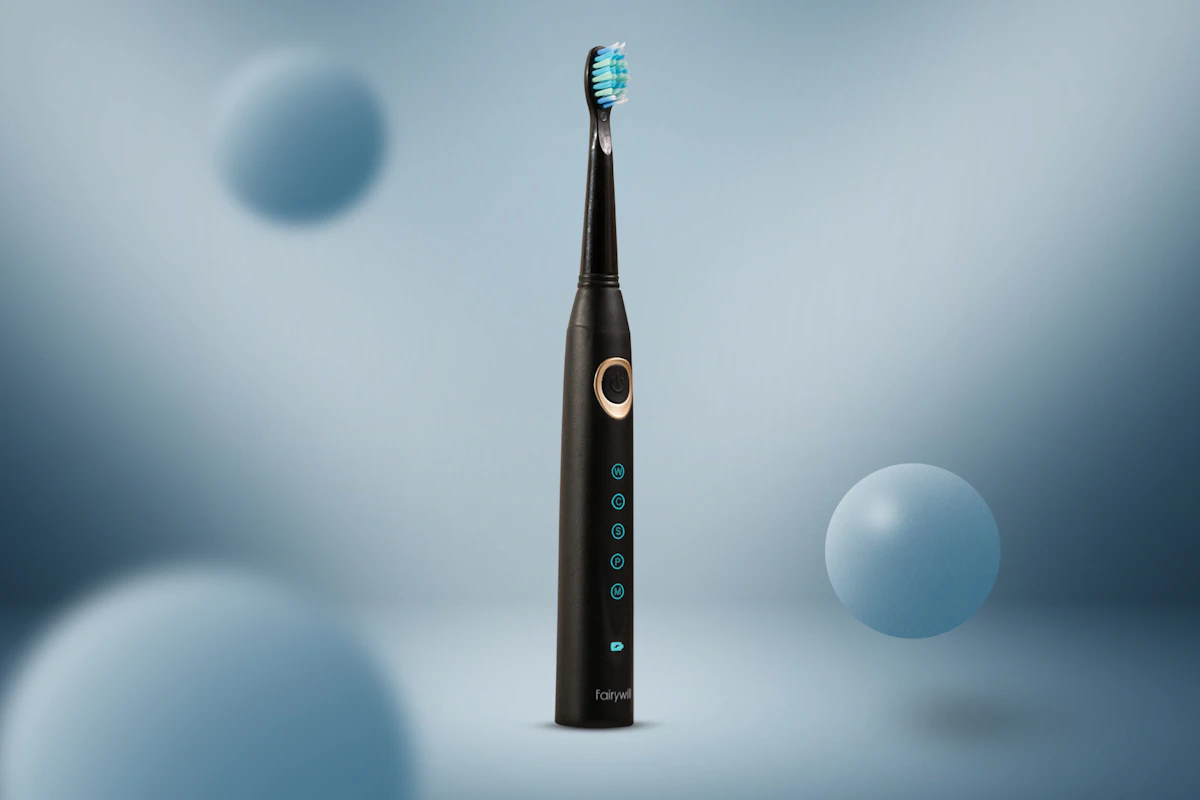
Electric toothbrushes can remove more plaque and reduce gum bleeding more than manual brushes in short trials, mostly with oscillating-rotating heads. But the ADA and the NHS say both types work equally well if you clean all tooth surfaces for two minutes, twice a day, with fluoride toothpaste. An electric brush may be easier to use for people who find manual brushing hard. We found no evidence that electric brushes whiten teeth or prevent cavities better. Look for the ADA Seal, and ask your dentist.
Are electric toothbrushes better? Some trials say they reduce plaque and gum inflammation more than manual brushes, but major dental sources say either type cleans well if you brush thoroughly. The American Dental Association (ADA) says that, for your teeth, it is a wash: choose the one you will use properly, twice a day for two minutes.
This guide compares the evidence and the official advice, explains who may benefit from a powered brush and covers what is not proven, such as whitening. It is part of our oral care guide.
Quick answer
Electric toothbrushes can remove more plaque and reduce gum bleeding more than manual brushes in short trials, mostly with oscillating-rotating heads. But the ADA and the NHS say both types work equally well if you clean all tooth surfaces for two minutes, twice a day, with fluoride toothpaste. An electric brush may be easier to use for people who find manual brushing hard. We found no evidence that electric brushes whiten teeth or prevent cavities better. Look for the ADA Seal, and ask your dentist.
What the official advice says
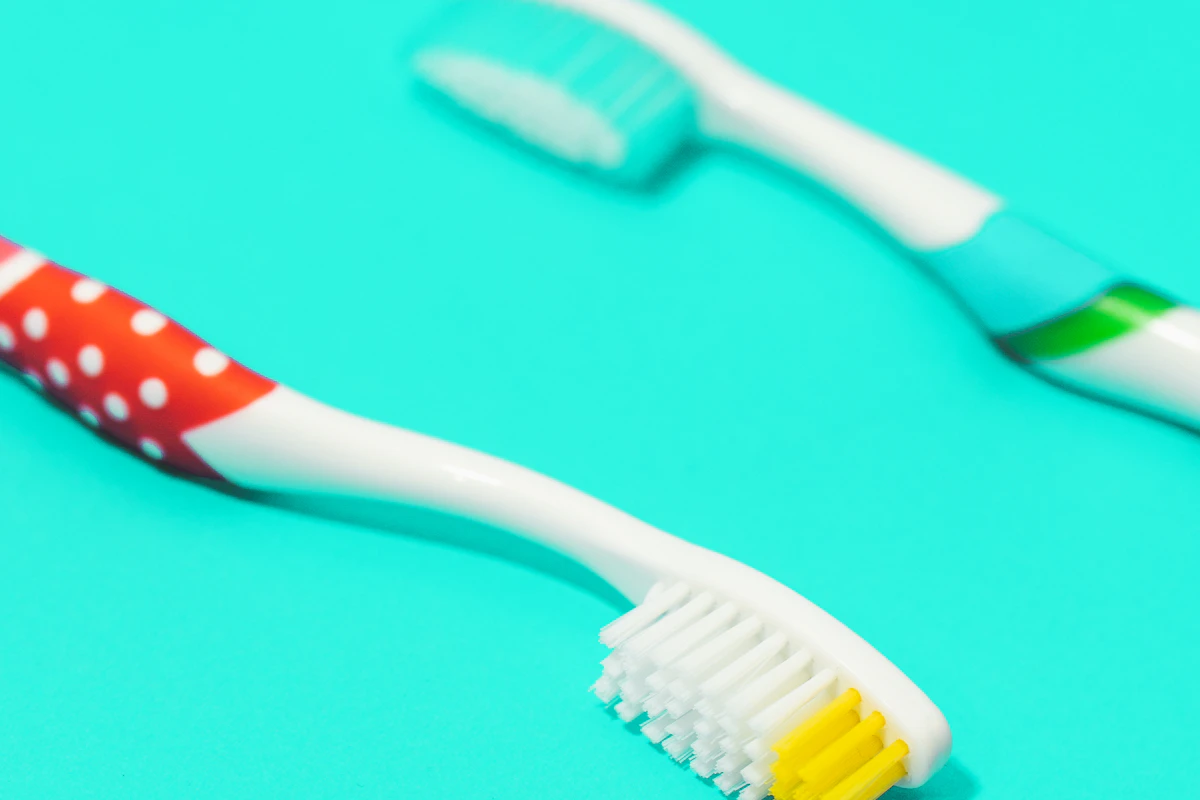
- ADA (MouthHealthy). The ADA's toothbrush page says it is a wash: both types can clean teeth effectively and thoroughly, and it depends on which one you prefer. People who find manual brushing difficult may find a powered brush more comfortable. It suggests choosing a brush with the ADA Seal.
- NHS. The NHS says it does not matter whether you use an electric or manual toothbrush, as long as you clean all surfaces of all teeth and use fluoride toothpaste, though some people find it easier to clean thoroughly with an electric one.
Neither page cites trials for these statements, and they do not discuss the research below.
What the research shows
A 2019 randomized trial in the International Journal of Dental Hygiene (PMC7379728) compared an oscillating-rotating electric brush with a manual brush in 150 adults with mild to moderate gingivitis over five weeks. Both groups used the same fluoride toothpaste. The electric group had a larger reduction in gum inflammation (13.1% vs 5.4%), gum bleeding (54.0% vs 23.3%) and whole-mouth plaque (20.2% vs 10.1%).
Important limits:
- Funding. The study was funded by the brush maker, and five of the six authors worked for it.
- Short. Five weeks only, so long-term benefit is unknown.
- One brush. It tested one oscillating-rotating head. The authors say they cannot separate the effect of the electric handle from the special bristles. It does not show that all powered brushes beat all manual ones, and it did not test a sonic brush.
- No cavities or whitening data. It measured plaque and gum health only.
We could not open the Cochrane review of powered versus manual brushes (it returned an access error), so we cannot report its figures. The trial's authors cite a review of 55 trials that found an advantage of about 11 percent for plaque and 6 percent for gingivitis at one to three months, but we could not check that. Treat any percentage as modest.
Are electric toothbrushes better than normal ones? Who may benefit
The sources we read suggest a powered brush can help if you:
- find manual brushing difficult or uncomfortable (ADA);
- find it easier to clean thoroughly with an electric brush (NHS);
- have mild to moderate gum inflammation (the trial population), though a dentist should guide you.
The sources do not study children, braces or limited dexterity separately, so ask your dentist.
Types of electric toothbrush
- Rechargeable electric toothbrush. Battery-powered handles that charge on a stand. The sources we read do not compare charging types.
- Sonic electric toothbrush. Brushes that vibrate rapidly. The trial above did not test a sonic brush, and the sources we read give no head-to-head comparison.
- Oscillating-rotating. The type tested in the trial.
Choose a model with a small head and soft or medium bristles, as the NHS advises for most adults, and look for the ADA Seal.
Do electric toothbrushes whiten teeth?
We found no evidence in the sources we read that electric toothbrushes whiten teeth better than manual ones. Removing plaque and surface stain may make teeth look cleaner, but whitening needs different products. See our guide to teeth whitening.
How to brush well with any toothbrush
- Brush twice a day for about two minutes, including the last thing at night (NHS).
- Clean the inside, outside and chewing surfaces.
- Use soft or medium bristles and do not scrub hard.
- Spit out the toothpaste and do not rinse straight away (NHS).
- Replace the brush or head every 3 to 4 months, or sooner if bristles fray (ADA).
For mouthwash timing, see mouthwash before or after brushing.
When to see a dentist
Ask a dentist which brush suits you if your gums bleed, you have braces or implants, or you find brushing painful. The sources do not give set symptoms; these are general suggestions.
FAQ
Are electric toothbrushes better than regular toothbrushes?
Some trials show more plaque and gum inflammation reduction with oscillating-rotating electric brushes, but the ADA and NHS say both types clean equally well when used properly.
Why are electric toothbrushes better, according to studies?
In the trial we read, the electric brush lowered gum bleeding and plaque more over five weeks. The study was funded by the manufacturer and did not test long-term outcomes.
Are electric toothbrushes better for whitening?
We found no evidence that they are.
Is a sonic toothbrush better than an oscillating one?
The sources we read do not compare them directly.
Do electric toothbrushes prevent cavities?
No source we read measured cavities for electric brushes. Fluoride toothpaste and brushing twice a day are the main protection.
How often should I replace my toothbrush or head?
Every 3 to 4 months, or sooner if the bristles are frayed, according to the ADA.
This article is for general information and is not medical advice. Talk to a dentist about the best brush and routine for you.
Frequently asked questions
This article is for informational purposes only and does not constitute medical advice, diagnosis or treatment. Always consult a qualified healthcare professional before starting any supplement, diet or exercise programme, especially if you are pregnant, nursing, taking medication or have a medical condition. Statements about supplements have not been evaluated by the Food and Drug Administration.
Feel Better With Us Editorial Team
Our editors research every guide from primary sources and update it when the evidence changes. Our editorial standards