
Oral CareComparison
The Best Electric Toothbrushes
Looking for the best electric toothbrushes? You do not need the most expensive model to brush well. What matters most is a two-minute timer, a pressure sensor if you tend to scrub hard, a brush head you will actually replace, and a handle you will use twice a day.
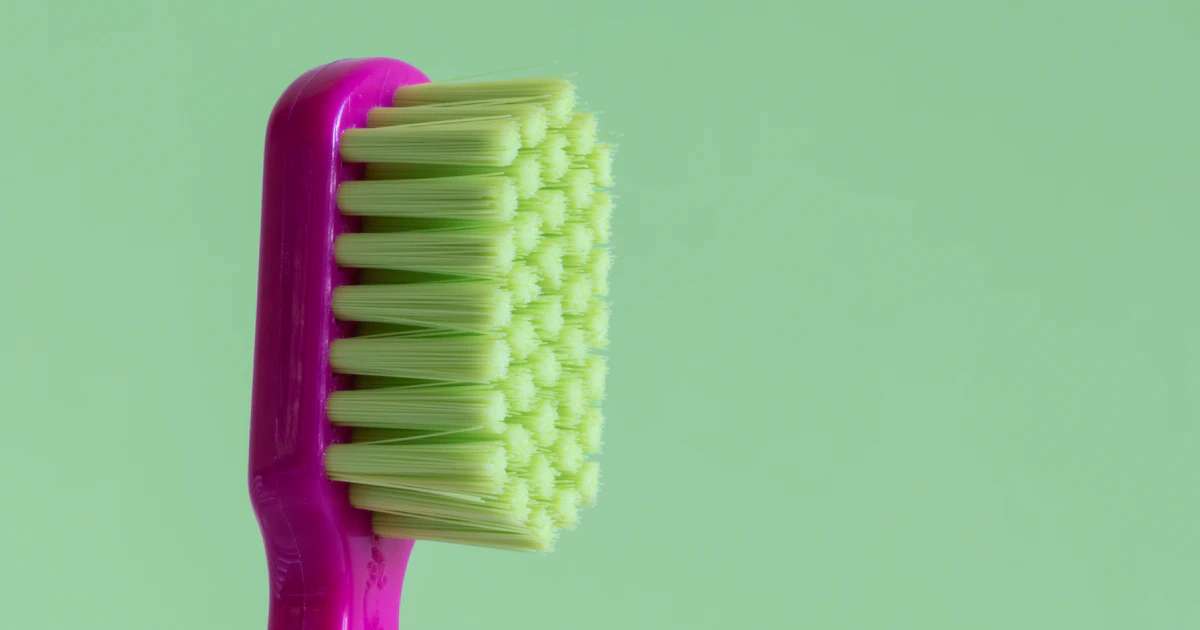
Looking for the best electric toothbrushes? You do not need the most expensive model to brush well. What matters most is a two-minute timer, a pressure sensor if you tend to scrub hard, a brush head you will actually replace, and a handle you will use twice a day.
We picked five electric toothbrush options for different needs and budgets, based on published specs, the American Dental Association (ADA) Seal of Acceptance and independent evidence. We have not run hands-on lab tests: below we explain exactly how we chose. For more guides, see our oral care hub.
Quick answer
Our picks for the best electric toothbrush in 2026:
- Best overall: Oral-B iO Series 9. Oscillating-rotating head, smart pressure sensor with a color light and a display timer. For people who want every feature.
- Best budget: Oral-B Pro 1000. Oscillating-rotating, pressure sensor and two-minute timer at an entry price. ADA-accepted.
- Best for sensitive gums: Philips Sonicare 4100. Gentle sonic brush with a pressure sensor, timer and 14-day battery.
- Best premium sonic: Philips Sonicare DiamondClean 9000. Several modes and intensities, pressure feedback and app pairing.
- Best for travel: quip electric toothbrush. Slim, light, runs on a AAA battery, with a timer and 30-second pulses. ADA-accepted.
If you just want a reliable brush, the budget pick does the core job. Spend more only for features you will use.
Our picks
<!-- COMPARE CTA (CTA: compare, product line: Oral care products & devices). The comparison component renders product name, best for, key specs and a "Check price" button for each pick ONLY when an active merchant link exists via /go/{brand} (rel="sponsored nofollow noopener"). With no active merchant, render nothing. No ratings, review counts, discounts or urgency. -->For each pick we list who it suits, key specs, the replacement head cost over three years and ADA Seal status. ADA Seal status was checked against the ADA product listings or, where marked, a recent independent check; listings change, so we re-check before every update.
About the three-year head cost. Dentists and manufacturers generally recommend a new head about every three months, which means about 12 heads over three years. Head prices change often, so we show the number of heads and ask you to check the current pack price. As a rule, multipacks and compatible generic heads cut the cost.
Best overall: Oral-B iO Series 9
Who it is for: people who want detailed feedback on how they brush and do not mind paying for it.
- Type: oscillating-rotating with micro-vibrations
- Pressure sensor: yes, a colored light shows when you press too hard, too soft or just right
- Timer: two minutes, shown on the handle display
- Modes: 7
- Battery: about two weeks per charge, according to the brand, with a magnetic charger
- ADA Seal: yes (the Oral-B iO Series has an ADA listing, per an independent check in October 2026)
- 3-year heads: about 12 iO heads; iO heads are among the pricier ones, so check multipack prices
Pros: the most complete feedback, rechargeable lithium-ion battery, app tracking. Cons: high upfront price, iO heads only fit iO handles.
Best budget: Oral-B Pro 1000
Who it is for: anyone moving from a manual brush who wants the essentials without extras.
- Type: oscillating-rotating-pulsating
- Pressure sensor: yes, the pulsations stop when you press too hard (no light)
- Timer: two minutes, with a pulse every 30 seconds to change quadrant
- Modes: 3
- Battery: about 10 days in independent testing (NiMH)
- ADA Seal: yes (Oral-B oscillating-rotating rechargeables listing)
- 3-year heads: about 12 heads; it takes the widely sold Oral-B round heads, which keeps running costs low
Pros: strong evidence base for oscillating-rotating brushes, low entry price, cheap and easy-to-find heads. Cons: older charging and battery tech, no app, basic design.
Best for sensitive gums: Philips Sonicare 4100
Who it is for: people with sensitive gums or teeth who want a gentle sonic feel.
- Type: sonic
- Pressure sensor: yes, it warns you and reduces vibration automatically, according to Philips
- Timer: two-minute SmarTimer with a 30-second QuadPacer
- Battery: 14 days, according to the brand
- ADA Seal: to be checked on the ADA listing before publishing
- 3-year heads: about 12 Sonicare click-on heads
Pros: gentle, quiet compared with many oscillating brushes, good battery life for the price. Cons: fewer modes than premium models.
Best premium sonic: Philips Sonicare DiamondClean 9000
Who it is for: sonic fans who want several modes, intensity settings and a premium charger.
- Type: sonic, up to 62,000 brush movements per minute according to the brand
- Pressure sensor: yes, the handle vibrates to warn you
- Timer: SmarTimer and BrushPacer
- Modes: 4 modes with 3 intensities
- Battery: up to 14 days, lithium-ion
- ADA Seal: not listed as of October 2026, per an independent check; re-check before publishing
- 3-year heads: about 12 Sonicare heads; premium heads cost more
Pros: choice of modes and intensities, long battery, app pairing. Cons: premium price, and a higher price does not mean better plaque removal than mid-range sonic brushes.
Best for travel: quip electric toothbrush
Who it is for: frequent travelers and anyone who wants a slim, simple brush.
- Type: sonic, one sensitive mode
- Pressure sensor: no
- Timer: two minutes with 30-second pulses and auto shutoff, according to quip
- Battery: one AAA battery, up to three months when used two minutes twice a day
- ADA Seal: yes, the quip non-rechargeable electric toothbrush is ADA-accepted
- 3-year heads: about 12 heads; the brand recommends replacing every three months
Pros: light, no charger to pack, ADA-accepted. Cons: gentler vibration than rechargeable models, no pressure sensor.
Comparison table
A quick best electric toothbrush comparison of the five picks. Price bands are relative: check current prices, which change often.
| Product | Type | Pressure sensor | Timer | Battery | Heads in 3 years | Price band |
|---|---|---|---|---|---|---|
| Oral-B iO Series 9 | Oscillating-rotating | Yes, color light | Yes, display | ~2 weeks | ~12 | Premium |
| Oral-B Pro 1000 | Oscillating-rotating | Yes, pulsations stop | Yes, 30-sec pulse | ~10 days | ~12 | Budget |
| Philips Sonicare 4100 | Sonic | Yes, warns and reduces | Yes, QuadPacer | 14 days | ~12 | Budget to mid |
| Philips Sonicare DiamondClean 9000 | Sonic | Yes, handle vibrates | Yes, BrushPacer | Up to 14 days | ~12 | Premium |
| quip | Sonic | No | Yes, 30-sec pulse | AAA, ~3 months | ~12 | Budget |
How we chose
This is not a hands-on electric toothbrush review: we did not lab-test these brushes, and we do not publish star ratings. Instead we used published, checkable criteria:
- Core features first: a two-minute timer and, for most people, a pressure sensor.
- Evidence: brush types with the strongest research behind them (see the next section).
- ADA Seal of Acceptance: checked against the ADA product listings where possible.
- Running costs: availability and price of replacement heads.
- Specs from manufacturers: battery, modes and warranty, as published by the brand.
- Independent reviews and studies to cross-check claims.
How we make money: we may earn a commission when you buy through links on this page. It never affects which products we include or how we describe them. Read more on our <!-- LINK when live: /us/how-we-make-money | anchor: how we make money -->how we make money<!-- /LINK --> page.
Are electric toothbrushes better?
For most people, yes, modestly. A Cochrane review of 56 trials with 5,068 participants, published in 2014, found that powered toothbrushes reduced plaque by 11% at one to three months and by 21% after three months compared with manual brushes. Gingivitis dropped by 6% and 11% over the same periods. The reviewers rated the evidence as moderate and said the clinical importance of these findings is unclear.
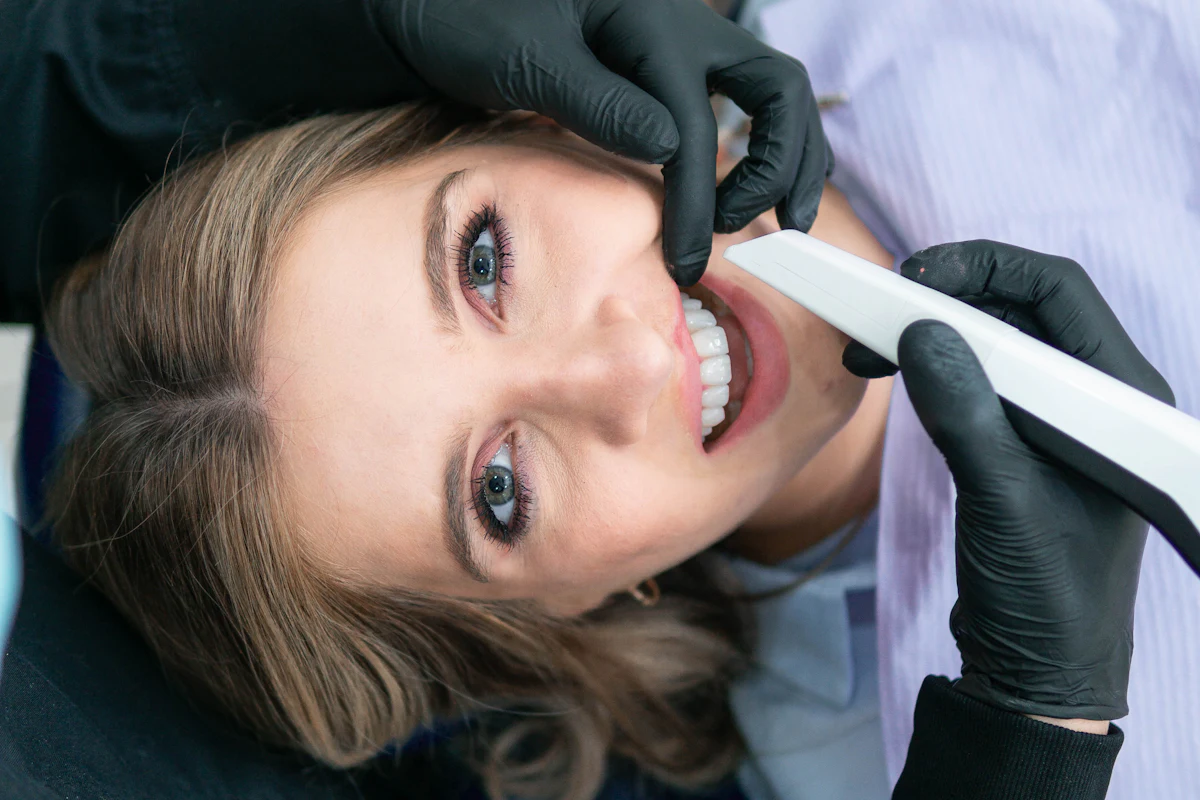
When people compare electric toothbrushes for plaque removal, it helps to know that most trials in that review used oscillating-rotating brushes, which had the largest body of evidence. Sonic brushes also clean well; the difference between the two types is small in later comparisons. For the full picture, read <!-- LINK when live: /us/oral-care/are-electric-toothbrushes-better | anchor: are electric toothbrushes better -->are electric toothbrushes better<!-- /LINK -->. A manual brush used well for two minutes twice a day still does the job; an electric toothbrush mostly makes good brushing easier.
How to choose an electric toothbrush
Oscillating-rotating or sonic?
Oscillating-rotating brushes have a small round head that turns back and forth. Sonic brushes have a regular-shaped head that vibrates side to side at high speed. Both are effective. Many people find sonic brushes gentler and quieter, while oscillating heads make it easy to clean one tooth at a time.
Pressure sensor
Brushing too hard can wear gums over time. If you are a heavy brusher, a pressure sensor is the feature most worth paying for.
Timer
Every pick here has a two-minute timer. A 30-second pacer helps you spend equal time on each quarter of your mouth.
Replacement head cost
Over a few years, heads can cost more than the handle. Before buying, check the price of a multipack and whether compatible heads exist.
Battery and charging
Lithium-ion batteries last longer between charges and hold up better over time. Travelers may prefer a long battery life, a travel case or a AAA brush.
Electric toothbrushes for kids
Kids models have smaller heads, softer bristles and fun timers. Check the age range on the box. We cover them in a separate guide.
Who should not spend more
If you already brush for two minutes, do not press hard and floss daily, a budget brush with a timer gives you nearly all the benefit. Extra modes, apps and displays are nice to have, not essential. Spend more only if a specific feature (like a pressure light or app coaching) will change how you brush.
Best electric toothbrushing technique
- Wet the head and use a pea-sized amount of fluoride toothpaste.
- Hold the head at a slight angle toward the gumline.
- Turn the brush on in your mouth to avoid splatter.
- Guide it slowly from tooth to tooth. Do not scrub: let the brush do the work.
- Spend about 30 seconds on each quarter of your mouth, two minutes in total.
- Brush twice a day, and clean between teeth daily with floss or an interdental brush.
Your dentist or hygienist can check your technique at your next cleaning.
Electric toothbrush features explained
- Oscillating-rotating: a small round head that turns back and forth, often with pulsations.
- Sonic: a regular-shaped head that vibrates side to side at high speed.
- Pressure sensor: warns you with a light, a vibration change or a pause when you press too hard.
- Timer: stops or signals after two minutes. A pacer (for example every 30 seconds) tells you when to move to the next quarter of your mouth.
- Modes: settings such as clean, sensitive, whitening or gum care. Most people use one mode most of the time.
- Smart features: app tracking, position detection and brushing reports. Helpful for some, ignored by many.
- Travel case and travel lock: a case for the handle and a way to stop it switching on in your bag.
- Battery type: lithium-ion holds charge longer and suits travel better than older NiMH batteries; some brushes use replaceable AAA batteries.
How to care for your electric toothbrush
- Rinse the head under running water after each use and let it air-dry upright.
- Remove the head every week or two and rinse the metal shaft and the inside of the head, where toothpaste builds up.
- Wipe the handle and charger, and keep the charger dry.
- Do not share brush heads.
- Replace the head about every three months, or sooner if bristles splay.
FAQ
How often should you replace electric toothbrush heads?
About every three months, or sooner if the bristles look frayed. Many heads have colored bristles that fade as a reminder. Replace the head after you have been sick, too.
Are expensive electric toothbrushes worth it?
Not for everyone. The cleaning action of a mid-range model is similar to a flagship. You pay extra for displays, app coaching, more modes and premium chargers. If those features help you brush better, they can be worth it.
What is the best electric toothbrush for kids?
Look for a small head, soft bristles, a timer and an age range that matches your child. Kids should be supervised while brushing. Our dedicated guide to electric toothbrushes for kids covers options by age.
Can an electric toothbrush damage enamel or gums?
Used correctly, no. Damage usually comes from pressing too hard or using an abrasive toothpaste. A pressure sensor and a soft head help. If you have receding gums or sensitive teeth, ask your dentist which settings to use.
Can you share an electric toothbrush handle?
Many people in a household share one handle and use their own heads. That is fine as long as each person has a separate, clearly marked head and the handle is kept clean.
Can you use an electric toothbrush with braces?
Many people do, and some brands make orthodontic heads. Ask your orthodontist which head and setting they recommend for your braces.
This article is for general information and is not dental advice. Talk to your dentist about what suits your teeth and gums.
Frequently asked questions
This article is for informational purposes only and does not constitute medical advice, diagnosis or treatment. Always consult a qualified healthcare professional before starting any supplement, diet or exercise programme, especially if you are pregnant, nursing, taking medication or have a medical condition. Statements about supplements have not been evaluated by the Food and Drug Administration.
Feel Better With Us Editorial Team
Our editors research every guide from primary sources and update it when the evidence changes. Our editorial standards
More in Oral Care
Keep reading: Electric toothbrushes
Sources
- www.cochrane.org/CD002281/ORAL_powered-versus-manual-toothbrushes
- www.usa.philips.com/c-p/HX3689_22/4100-series-sonic-electric-toothbrush/overview
- www.getquip.com/products/blue-sonic-toothbrush
- ada.org/resources/research/science-and-research-institute/ada-seal-of-acceptance/product-search/a065e000007A37BAAS/quip-electric-toothbrush
- www.getevident.co/dental/toothbrushes/best-electric-toothbrush