
Hair CareGuide
Hair Oil: How to Choose and Use the Right One
Hair oil adds shine, softness and a protective layer to the hair shaft, and the right hair oil depends on your hair type and on whether you put it on the lengths or the scalp. It does not repair split ends, and it is not a proven treatment for hair loss.
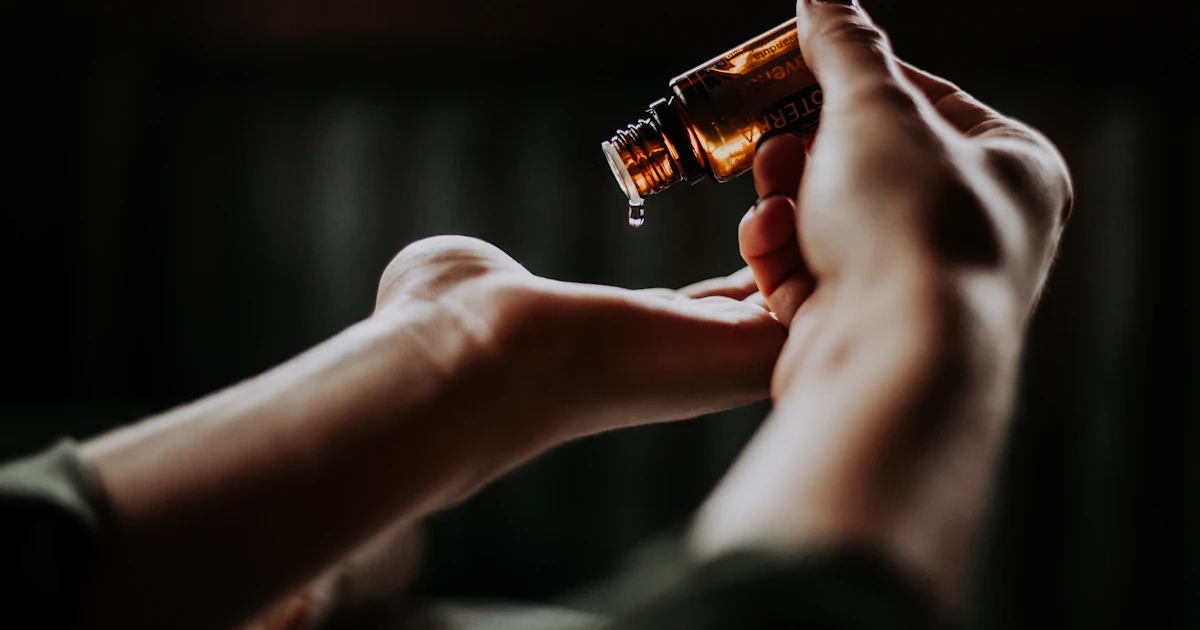
Use a light oil such as argan or jojoba on the lengths and ends of damp or dry hair to add shine and reduce frizz. Use only a few drops, and keep heavy oils off an oily or flaky scalp. Oils mainly moisturize and protect the hair, they do not make hair grow, and sudden or patchy hair loss should be checked by a doctor.
Hair oil adds shine, softness and a protective layer to the hair shaft, and the right hair oil depends on your hair type and on whether you put it on the lengths or the scalp. It does not repair split ends, and it is not a proven treatment for hair loss.
This guide explains what hair oil does, how to choose between popular oils such as coconut, argan, castor, jojoba, rosemary and batana, how to use hair oil step by step, and when oil is a bad idea. It is part of our hair care guide.
Quick answer
Use a light oil such as argan or jojoba on the lengths and ends of damp or dry hair to add shine and reduce frizz. Use only a few drops, and keep heavy oils off an oily or flaky scalp. Oils mainly moisturize and protect the hair, they do not make hair grow, and sudden or patchy hair loss should be checked by a doctor.
What does hair oil do?
Hair oil is a mix of plant or mineral oils (sometimes with silicones and fragrance) that coats the hair. In practice it can:
- Add shine. A thin layer of oil smooths the surface of the hair so it reflects more light.
- Reduce frizz and static. The coating helps keep moisture in and flyaways down.
- Protect against friction and heat. Applied before blow-drying or styling, a light oil can reduce dryness and breakage from heat and brushing.
- Soften the ends. Oil makes dry ends feel smoother, though it cannot repair a split end.
Cleveland Clinic explains that oiling hair can help with moisture and shine and that how you apply it matters. Dermatologists also suggest that people with curly or coily hair can apply oil or a leave-in conditioner after washing and conditioning to seal in moisture.
How to choose a hair oil by hair type
| Hair type | What to look for | Notes |
|---|---|---|
| Fine or oily hair | A very light oil (jojoba, grapeseed) in tiny amounts, ends only | Heavy oils weigh hair down |
| Dry or damaged hair | Argan or a blend with vitamin E | Use on damp ends and as a pre-wash treatment |
| Curly or coily hair | A richer oil or butter-oil blend | Seals moisture after a leave-in |
| Color-treated hair | A lightweight, silicone-based or plant oil | Check that it is safe for color |
| Thick, coarse hair | Castor or coconut oil, with care | Rinse out well; they can feel heavy |
Popular hair oils compared
Argan oil for hair
Argan oil is rich in fatty acids and vitamin E and is a popular finishing oil. Cleveland Clinic lists skin and hair benefits of argan oil, mainly hydration, shine and a protective layer. Use argan oil for hair on the lengths, and go easy on an oily scalp.
Coconut oil for hair
Coconut oil for hair is a classic pre-shampoo treatment, and it is popular because it is cheap and easy to find. A 2021 study of the scalp microbiome suggested coconut oil may support healthy scalp microbes, but the evidence is early and small. Other sources note that heavy oils can worsen flaking in some people, so watch your scalp.
Castor oil for hair and castor oil for hair growth
Castor oil is very thick and sticky, so most people use a little in a blend on the ends or the brows and lashes. Castor oil for hair growth is a common search, but we did not find strong evidence that it makes hair grow, so treat any growth claim with caution.
Rosemary oil for hair and rosemary oil for hair growth
Rosemary oil for hair is popular as a scalp treatment. Rosemary oil for hair growth has been looked at in small studies, but it is not an established treatment and the research is limited. Essential oils should always be diluted in a carrier oil because they can irritate the skin.
Batana oil for hair and batana hair oil
Batana oil for hair, also sold as batana hair oil, is a traditional oil from Central America used on hair. There is little published research on it, so expect conditioning benefits, not miracles. It is thick, so start with a small amount.
Hair oil with jojoba
A hair oil with jojoba is light and similar to the oil your scalp makes, so it suits fine and oily hair. It makes a good first oil to try.
Hair growth oil: what to expect
Many people search for a hair growth oil. Here is the honest summary: oils can make hair look and feel healthier, which can make it look fuller, but they do not change the follicle in a way that is proven to regrow lost hair. Hair loss has many causes, including genetics, hormones, low iron, thyroid problems, stress and some medicines. See a doctor or dermatologist if you notice sudden thinning, bald patches, or hair loss with scalp pain, redness or scaling.
How to use hair oil
- Start small. Two to three drops for short or fine hair, five or six for long or thick hair. You can always add more.
- Warm the oil between your palms.
- Apply to the mid-lengths and ends, not the roots, unless you are doing a scalp treatment.
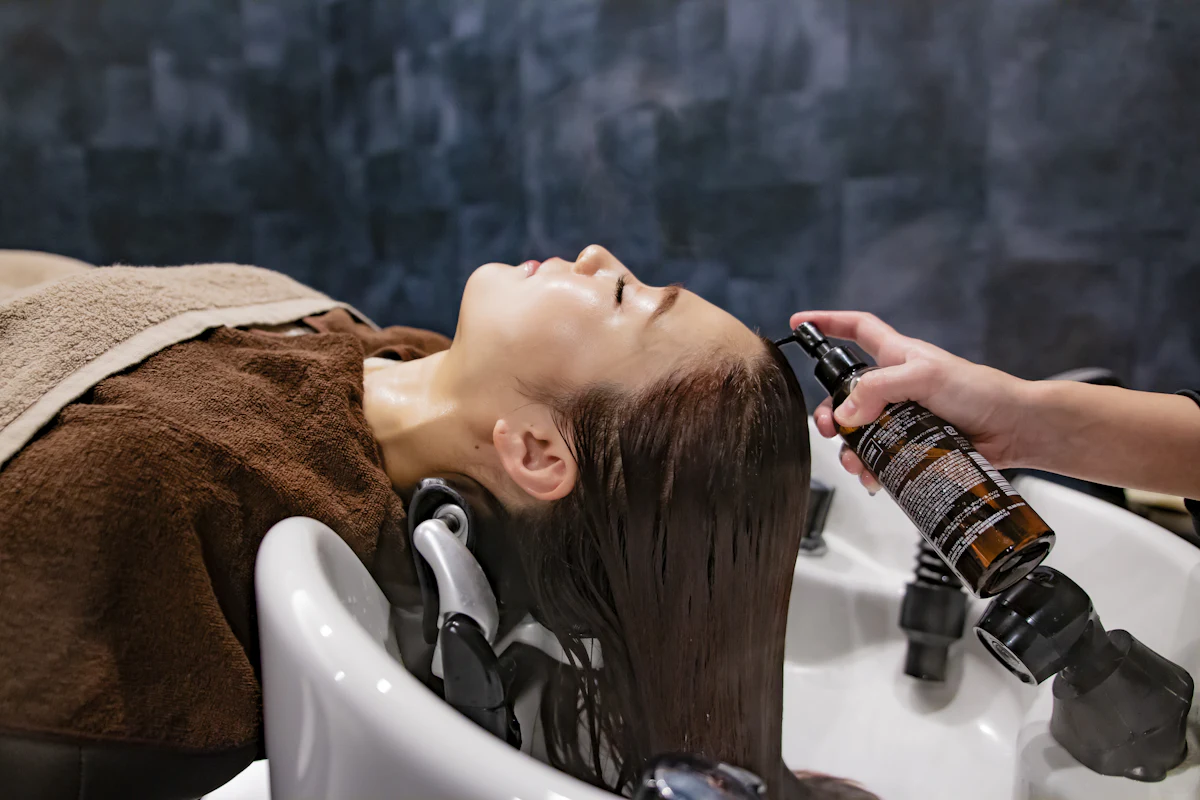
- For a pre-wash treatment, apply the oil to dry hair, leave it on for 30 minutes to a few hours, then shampoo twice to remove it.
- For a finishing oil, add a drop or two to dry hair to tame frizz.
- For heat styling, use a light oil or a heat protectant, not a heavy oil, since some oils can get hot.
How often?
Once or twice a week as a treatment, or a drop or two on styling days, is plenty for most people. If your hair looks greasy or limp, use less.
When not to use hair oil on your scalp
Avoid putting oil on your scalp if you have seborrheic dermatitis, dandruff or an oily scalp, since heavy oils can make flaking worse. Dermatologists also caution that some oils can irritate or clog the scalp when used too often. Stop using an oil if your scalp itches, burns or breaks out, and patch test a new oil on your inner arm first.
FAQ
Is hair oil good for your hair?
Yes, for dryness, frizz and shine. It works on the surface of the hair, so it will not fix damage inside the hair shaft.
Should you put oil on wet or dry hair?
Both work. On damp hair a little oil helps seal in water, while on dry hair it works as a finishing touch. Fine hair does best with a few drops on damp ends.
Can hair oil make hair greasy?
Yes, if you use too much or put it on your roots. Use a small amount on the lengths and shampoo twice if you used a pre-wash treatment.
Which oil is best for dry hair?
Argan oil and blends with vitamin E are popular for dry hair. Coconut oil also works for some people, especially as a pre-wash treatment.
Does castor oil help hair grow?
There is no strong evidence that it does. It may condition hair, but see a doctor if you are losing hair.
Is it safe to use essential oils like rosemary on the scalp?
Only diluted in a carrier oil, and after a patch test. Essential oils can irritate the skin, and some people are allergic. Do not use them near the eyes.
Related guides: scalp microbiome research, thyroid and hair loss and hair care guide.
This article is for general information and is not medical advice. Talk to a doctor or dermatologist about hair loss, scalp pain or a persistent scalp condition.
Frequently asked questions
This article is for informational purposes only and does not constitute medical advice, diagnosis or treatment. Always consult a qualified healthcare professional before starting any supplement, diet or exercise programme, especially if you are pregnant, nursing, taking medication or have a medical condition. Statements about supplements have not been evaluated by the Food and Drug Administration.
Feel Better With Us Editorial Team
Our editors research every guide from primary sources and update it when the evidence changes. Our editorial standards