
Body Care & GroomingGuide
Deodorant: How to Choose the Best One for You
Choosing a deodorant starts with one question: do you want to stop odor, or stop sweat too? A deodorant fights odor. An antiperspirant reduces sweat. Many products, labeled antiperspirant deodorant, do both.
Pick an antiperspirant if sweat bothers you, because its aluminum salts reduce how much you sweat. Pick a plain deodorant if you only want to control odor. For sensitive skin, look for fragrance-free formulas. Apply antiperspirant at night on dry skin for the best effect. If you sweat heavily despite clinical-strength products, see a dermatologist.
Choosing a deodorant starts with one question: do you want to stop odor, or stop sweat too? A deodorant fights odor. An antiperspirant reduces sweat. Many products, labeled antiperspirant deodorant, do both.
This guide explains the difference, what the research says about aluminum, the best deodorants by need (for men, for women, for heavy sweating, for sensitive skin, aluminum-free and crystal) and how to switch if you want to. It is part of our body care guides.
Quick answer
Pick an antiperspirant if sweat bothers you, because its aluminum salts reduce how much you sweat. Pick a plain deodorant if you only want to control odor. For sensitive skin, look for fragrance-free formulas. Apply antiperspirant at night on dry skin for the best effect. If you sweat heavily despite clinical-strength products, see a dermatologist.
Deodorant vs antiperspirant: what's the difference?
Sweat itself has almost no smell. Odor appears when bacteria on the skin break down sweat, especially in the underarms, where apocrine glands produce a richer type of sweat.
- Deodorant targets the odor. It usually contains ingredients that make the skin less friendly to odor-causing bacteria, plus fragrance to mask smell. It does not stop sweat.
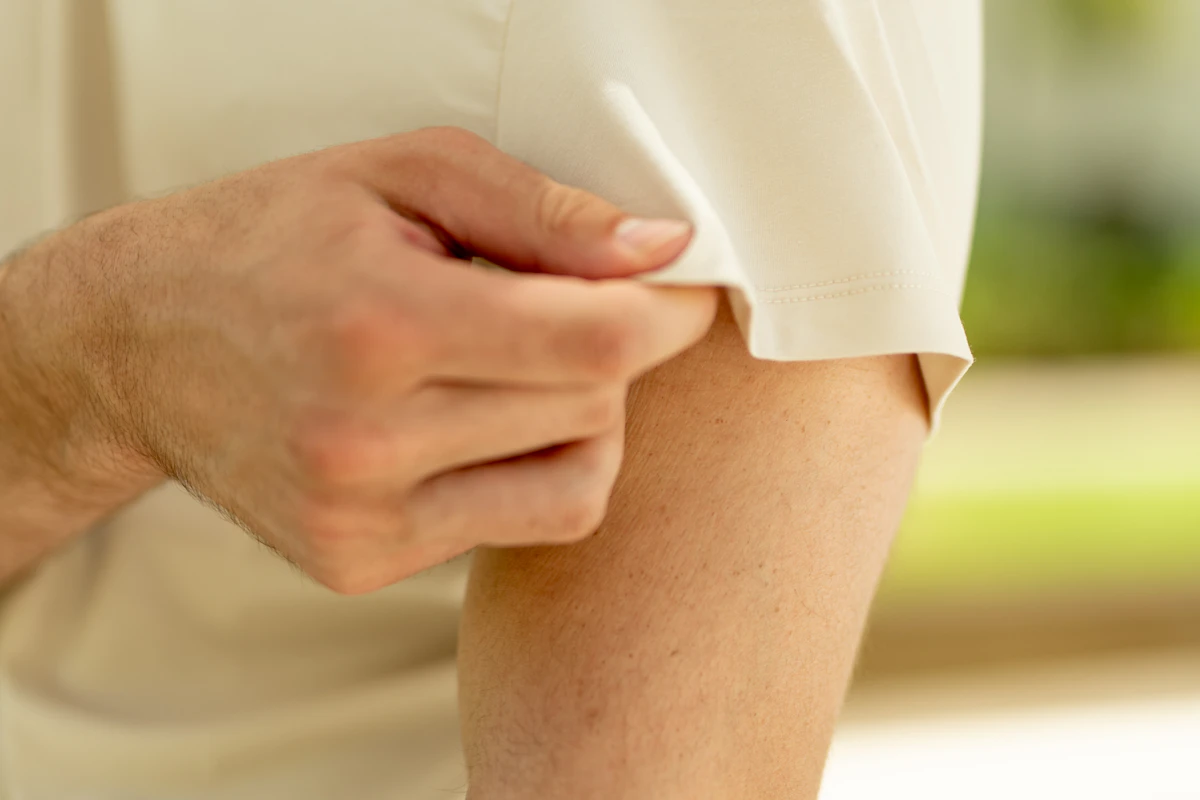
- Antiperspirant targets the sweat. Aluminum-based compounds temporarily plug the sweat ducts so less sweat reaches the skin. Less sweat means less for bacteria to feed on, so odor drops too.
In the US, this difference also matters legally. Antiperspirants are regulated by the FDA as over-the-counter drugs, under a monograph that lists the allowed active ingredients such as aluminum chlorohydrate and aluminum zirconium compounds. That is why they carry a "Drug Facts" label. Deodorants that do not claim to reduce sweat are regulated as cosmetics.
An antiperspirant deodorant combines both: an aluminum active to reduce sweat and deodorant ingredients for odor. Most products on US store shelves are this type.
Is aluminum in deodorant bad for you?
This is the most common worry, so here is what the evidence says.
Breast cancer. According to the National Cancer Institute, there is no conclusive research linking the use of underarm antiperspirants or deodorants to breast cancer. Studies so far have not shown a clear connection, though the NCI notes research continues.
Kidney disease. Antiperspirant labels in the US tell people with kidney disease to ask a doctor before use. Healthy kidneys remove small amounts of aluminum from the body; weakened kidneys may not. If you have kidney disease, check with your doctor.
Skin irritation and allergy. Some people react to aluminum salts, fragrance or preservatives with itching or rash. Aluminum was even named "Allergen of the Year" for 2022 by the American Contact Dermatitis Society, as the AAD reported. Allergy is still uncommon, but if your underarms itch or burn, try a fragrance-free or aluminum-free product.
Bottom line: for most healthy people, antiperspirants are considered safe when used as directed. Choosing aluminum-free is a personal preference, not a medical necessity.
Best deodorants by need
<!-- PRODUCT BOX SLOT (CTA: productbox, product line: Body care & grooming products). One product box per need below, rendered ONLY with an active merchant link via /go/{brand}, rel="sponsored nofollow noopener". With no active merchant, render nothing. No ratings, review counts, "top rated" badges, discounts or urgency. -->We chose by type and ingredient, not by brand, so you can apply the criteria to whatever is sold near you.
Best deodorant for men
What to look for: an antiperspirant deodorant stick or a solid gel with a long-lasting odor claim if you are active, or a plain deodorant if you mainly want fresh scent. Many men prefer a clear or "invisible" formula to avoid white marks on dark shirts.
Our pick by need:
- Active or sweaty days: 48-hour antiperspirant deodorant stick.
- Light sweaters: aluminum-free deodorant with a mild scent.
Searches like "best guy deodorant" or "top rated men's deodorant" usually lead to the same two choices: how much you sweat and which scent you like. Ratings mostly reflect scent preference, so choose by function first.
Best deodorant for women
What to look for: the same function-first approach. If you shave your underarms, a fragrance-free or "sensitive" formula can reduce stinging. Clear gels and invisible solids help with dark clothes.
Our pick by need:
- Everyday: antiperspirant deodorant, invisible solid.
- Sensitive or just shaved skin: fragrance-free, alcohol-free formula.
As with men's products, "top rated women's deodorant" lists mostly reflect scent and feel. Products marketed to men and women often contain the same actives, so do not limit yourself to one aisle.
Best antiperspirant deodorant for heavy sweating
What to look for: "clinical strength" or "prescription strength" on the label, which signals a higher-performing over-the-counter formula. Apply at night. If sweat soaks through clothes, interferes with daily life or happens without heat or exercise, it may be hyperhidrosis. The AAD has self-care tips for hyperhidrosis and a dermatologist can offer stronger options.
Best deodorant for sensitive skin
What to look for: fragrance-free, alcohol-free and, if aluminum bothers you, aluminum-free. Cream or balm textures tend to be gentler than sprays. Patch test new products on a small area first. If odor is the main issue, washing with a gentle <!-- LINK when live: /us/body-care/antibacterial-soap | anchor: antibacterial soap -->antibacterial soap<!-- /LINK --> can help, but skip it if it dries your skin.
Best aluminum-free deodorant
What to look for: odor-fighting ingredients such as zinc ricinoleate, magnesium hydroxide or mild acids that lower skin pH. Baking soda works for some people but can irritate sensitive skin, so choose "baking soda-free" if you react. Remember that aluminum-free deodorants do not reduce sweat.
Crystal deodorant
A crystal deodorant is a stone or stick made of mineral salt, usually potassium alum or ammonium alum. You wet it and rub it on the skin, where it helps limit odor-causing bacteria. It is unscented and long-lasting.
Two things to know: it does not stop sweat, and alum is itself an aluminum-containing salt, even though crystal deodorants are often marketed as natural. If you are avoiding aluminum for any reason, read the label.
How to switch to aluminum-free deodorant
Moving from an antiperspirant to an aluminum-free deodorant takes some adjustment:
- Expect to sweat more. Your sweat ducts are no longer blocked. This is normal, not a sign that the new product is failing.
- Give it two to four weeks. Many people feel odor is stronger at first, then settles.
- Apply to clean, dry skin. Shower, dry completely, then apply. Reapply after the gym if needed.
- Wear breathable fabrics. Cotton and linen help sweat evaporate.
- Try a different formula if you get a rash. Baking soda is a common trigger.
Prefer a DIY approach? Learn how to <!-- LINK when live: /us/body-care/how-to-make-natural-deodorant | anchor: make your own natural deodorant -->make your own natural deodorant<!-- /LINK -->.
How to apply deodorant for best results
<!-- IN-BODY IMAGE: see "Images" below. -->- Apply antiperspirant at night. Your sweat glands are less active while you sleep, so the active ingredient has time to work. It keeps working after a morning shower. The AAD recommends this for people who sweat a lot.
- Make sure skin is completely dry. Water dilutes the product and can cause irritation.
- Use two or three swipes. More is not better and leaves residue.
- Wait before dressing. Let it dry for a minute to avoid marks.
- Deodorant (not antiperspirant) can go on in the morning and be reapplied during the day.
What causes body odor, and why it can change
Body odor comes from bacteria breaking down sweat from apocrine glands, which are concentrated in the underarms and groin and become active at puberty. Several things can change how you smell:
- Hormones. Puberty, pregnancy and menopause can change sweat and odor.
- Diet. Strong foods such as garlic, onions and spices can affect body odor for some people.
- Stress. Emotional sweat comes mostly from apocrine glands, which is why stress sweat often smells stronger.
- Fabrics. Synthetic fabrics can hold on to odor more than cotton or linen.
- Medications and health conditions. A sudden, unexplained change in body odor is worth mentioning to your doctor.
Deodorant forms: stick, spray, roll-on or cream?
| Form | Pros | Cons |
|---|---|---|
| Solid stick | Easy, travel-friendly in any size, no drying time | Can leave white marks |
| Clear gel | No white marks | Needs a moment to dry; counts as a liquid at airport security |
| Spray | Quick-drying, light feel, hygienic to share | Less precise; aerosol propellants; liquid rules apply for flights |
| Roll-on | Even coverage, often gentler | Takes time to dry; liquid rules apply for flights |
| Cream | Common for aluminum-free and natural formulas, good for sensitive skin | Applied with fingers; less convenient on the go |
| Crystal | Unscented, long-lasting | Does not stop sweat |
Pick the form you will use consistently. The active ingredient matters more than the format.
FAQ
Does deodorant expire?
Antiperspirants, as OTC drugs, usually carry an expiration date on the package. Plain deodorants may not, but scent and texture can change over time. If a product smells off, has separated or irritates your skin, replace it.
Can you bring deodorant on a plane?
Yes. According to the TSA, solid stick deodorant can go in your carry-on in any size. Gel, spray and roll-on deodorants count as liquids, so in carry-on bags they must follow the 3-1-1 rule (3.4 ounces or less per container, in one quart-size bag). Check the TSA site before you fly, as rules can change.
How do you remove deodorant stains?
For white marks on dark clothes, rub the fabric against itself or use a damp cloth. For yellow underarm stains on light shirts, pre-treat with a stain remover or a paste of baking soda and water before washing, and avoid hot dryers, which can set stains. Letting antiperspirant dry before dressing helps prevent them.
Is it bad to wear deodorant every day?
No. Daily use is normal. If your skin gets irritated, give it a break, switch to a fragrance-free formula, or try applying at night.
Can you apply deodorant right after shaving?
It may sting, especially antiperspirants and products with alcohol or fragrance. Shave at night and apply antiperspirant the next night, or wait a few hours and use a fragrance-free formula.
Should you put on deodorant before a workout?
Yes, if you want odor control. An antiperspirant applied the night before works better than one applied right before exercise, because it needs time to form plugs in the sweat ducts.
Can you use deodorant on other parts of the body?
Some products are made for the whole body and say so on the label. The AAD has an overview of whole-body deodorant. Do not use underarm antiperspirant on sensitive or broken skin unless the label allows it.
This article is for general information and is not medical advice. Talk to a doctor if you have kidney disease, a persistent rash or excessive sweating.
Frequently asked questions
This article is for informational purposes only and does not constitute medical advice, diagnosis or treatment. Always consult a qualified healthcare professional before starting any supplement, diet or exercise programme, especially if you are pregnant, nursing, taking medication or have a medical condition. Statements about supplements have not been evaluated by the Food and Drug Administration.
Feel Better With Us Editorial Team
Our editors research every guide from primary sources and update it when the evidence changes. Our editorial standards
More in Body Care & Grooming
Sources
- www.ecfr.gov/current/title-21/chapter-I/subchapter-D/part-350
- www.cancer.gov/about-cancer/causes-prevention/risk/myths/antiperspirants-fact-sheet
- www.aad.org/dw/dw-insights-and-inquiries/archive/2022/aluminum-allergen-of-the-year-2022
- www.aad.org/public/diseases/a-z/hyperhidrosis-self-care
- www.tsa.gov/blog/2013/07/09/tsa-travel-tips-tuesday-flying-deodorant-isnt-sticky-situation