
Body Care & GroomingGuide
Antibacterial Soap: Do You Need It, or Is Plain Soap Enough?
For everyday washing, plain soap and water works as well as antibacterial soap. The U.S. Food and Drug Administration (FDA) says there is not enough evidence that over-the-counter antibacterial soaps prevent illness better than plain soap, and it has banned a number of the ingredients used in them.
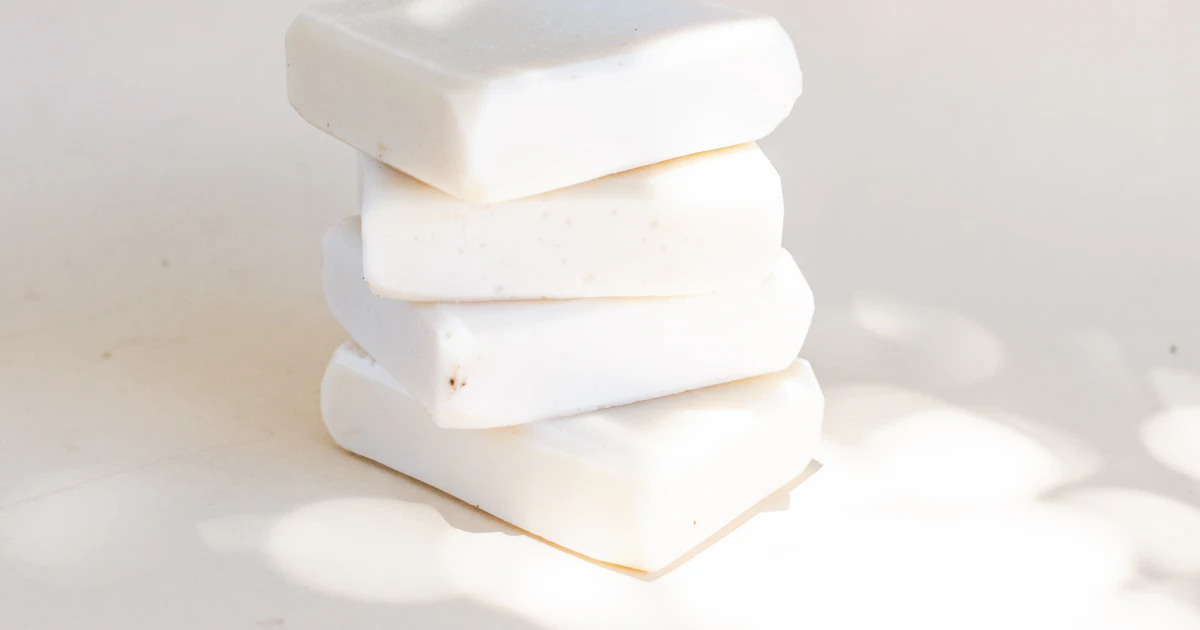
You do not need antibacterial soap for everyday handwashing or showering. Plain soap and water, used for about 20 seconds when washing hands, is the advice from the FDA. Antibacterial soaps may feel stronger, but they are not shown to be better at preventing illness, and strong or deodorant soaps can dry out skin. Choose a gentle, fragrance-free cleanser, wash only the areas that need it and see a doctor if odor, rashes or skin problems do not improve.
For everyday washing, plain soap and water works as well as antibacterial soap. The U.S. Food and Drug Administration (FDA) says there is not enough evidence that over-the-counter antibacterial soaps prevent illness better than plain soap, and it has banned a number of the ingredients used in them.
This guide explains what the FDA says about antibacterial soap, what is in antibacterial bar soap and body wash today, how to handle body odor, foot odor and other special cases, how to protect dry or sensitive skin and when a doctor can help. It is part of our body care guide.
Quick answer
You do not need antibacterial soap for everyday handwashing or showering. Plain soap and water, used for about 20 seconds when washing hands, is the advice from the FDA. Antibacterial soaps may feel stronger, but they are not shown to be better at preventing illness, and strong or deodorant soaps can dry out skin. Choose a gentle, fragrance-free cleanser, wash only the areas that need it and see a doctor if odor, rashes or skin problems do not improve.
What the FDA says about antibacterial soap
The FDA has a consumer guide titled Skip antibacterial soap. Its main points are:
- There is not sufficient evidence that over-the-counter antibacterial soaps prevent illness better than plain soap and water.
- In 2016 the FDA issued a final rule removing 19 active ingredients, including triclosan and triclocarban, from over-the-counter consumer antiseptic wash products. The rule covers liquid, foam and gel hand soaps, bar soaps and body washes.
- The reason is that manufacturers did not provide data showing that these ingredients are safe for long-term daily use or that they work better than plain soap and water.
- Three other ingredients (benzalkonium chloride, benzethonium chloride and chloroxylenol) were not covered by the rule while manufacturers continue to submit data.
- The rule does not cover hand sanitizers, wipes or health care settings.
The FDA's advice is simple: wash with plain soap and water. If a product is labeled "antibacterial" or has a Drug Facts label, it contains an antibacterial ingredient.
Antibacterial bar soap and body wash: what to look for
If you still want an antibacterial bar soap or body wash, read the label:
- Check the Drug Facts panel for the active ingredient. Products with the banned ingredients should no longer be sold for consumer use.
- Look for fragrance-free if your skin is dry or sensitive. The American Academy of Dermatology (AAD) says "unscented" products can contain chemicals that mask odors and irritate sensitive skin.
- Be careful with deodorant soaps. The AAD lists deodorant soaps among the products that can be too harsh for dry, sensitive skin.
- Do not count on "antibacterial" to make a product better at cleaning. The FDA found no proof that it does.
How to wash: the dermatologist basics
You do not need to scrub harder to be clean. Dermatologists recommend:
- Short, warm showers. The AAD suggests limiting a bath or shower to about 5 to 10 minutes in warm, not hot, water. Cleveland Clinic suggests keeping showers to about five minutes.
- Soap where it is needed. The AAD says to use a gentle cleanser only where needed, such as the armpits and groin. Cleveland Clinic's dermatologist says that only the face, armpits and groin need consistent daily washing.
- Pat dry and moisturize. Pat your skin dry rather than rubbing, and apply a fragrance-free moisturizer while the skin is still damp.
- Do not overdo it. Cleveland Clinic notes that showering too often can strip the skin barrier, and that dryness, itching, irritation and scaling are signs to skip a shower.
For the shower basics, see Cleveland Clinic's guide to how often to shower.
Antibacterial soap for body odor
Body odor happens when bacteria on your skin break down sweat. Washing the armpits and groin with soap and water helps remove sweat and bacteria, and a plain soap is usually enough. Antibacterial soaps for body odor may feel more effective, but we did not find evidence that it works better than regular soap.
What helps more:
- Wash daily, and after heavy sweating, with warm water and a gentle soap.
- Dry your skin well, especially in skin folds.
- Wear clean, breathable clothes.
- Add a deodorant or antiperspirant. See our guide to <!-- LINK when live: /us/body-care/deodorant | anchor: how to choose a deodorant -->how to choose a deodorant<!-- /LINK -->.
If odor is strong, new or comes with other symptoms, talk to a doctor.
Antibacterial soap for foot odor
Foot odor comes from sweat and bacteria in shoes and socks. An antibacterial soap for foot odor is a common search, but good basics work as well:
- Wash your feet daily and dry them well, including between the toes.
- Change socks daily and choose breathable ones.
- Let shoes dry out between wears.
If your feet itch, peel or have a rash, you may have a fungal infection, which needs treatment from a doctor or pharmacist, not just a stronger soap.
Antibacterial soap for belly button care and skin folds
If you are searching for an antibacterial soap for belly button care, know that a belly button can collect sweat and lint. Wash it gently with mild soap and water, rinse and dry. If it is red, painful, swollen or has discharge, or if you have a new piercing, ask a doctor or your piercer instead of using stronger soaps.
Hand washing: when plain soap is the right choice
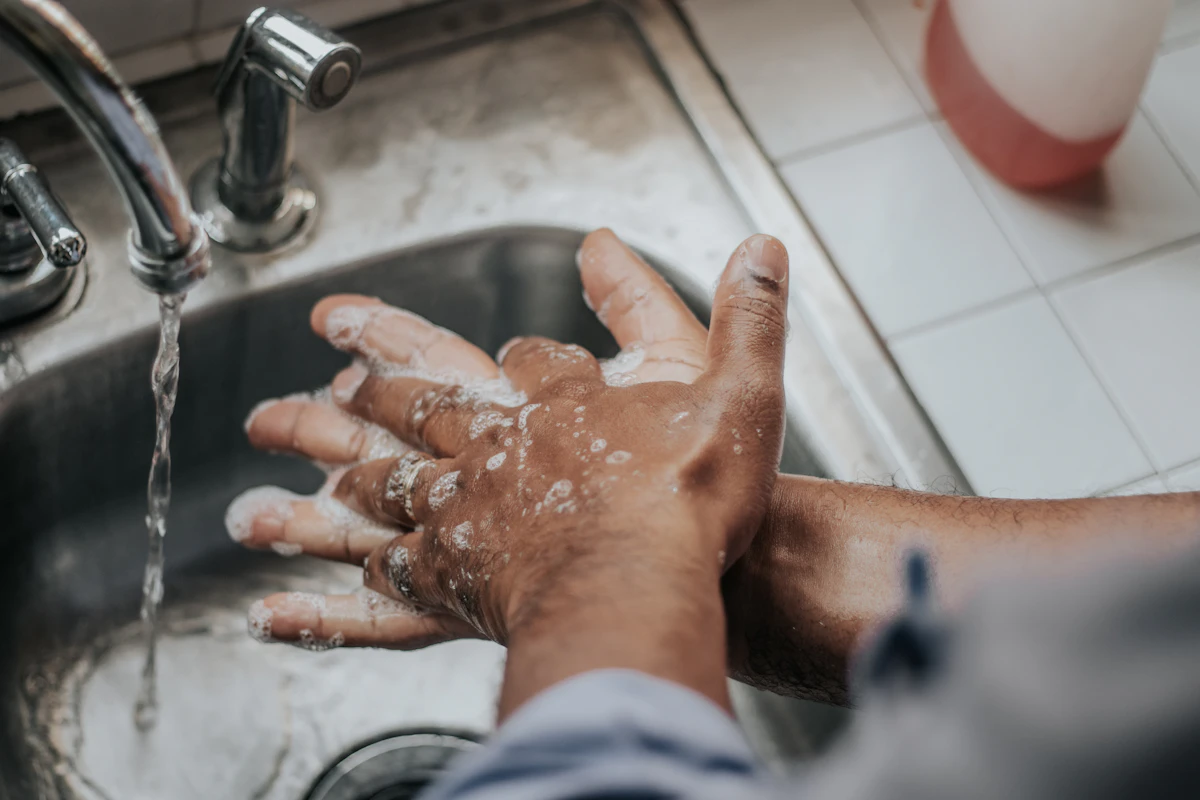
For the hands, the FDA's advice is plain soap and water. Wash for about 20 seconds, rinse and dry. Hand sanitizer is a separate product and is not covered by the FDA's soap rule. It is useful when soap and water are not available, but note that frequent washing and sanitizer can dry out hands. See our guide to <!-- LINK when live: /us/body-care/hand-cream | anchor: hand cream -->hand cream<!-- /LINK -->.
Skin that reacts to soap
Soaps and cleansers can dry out or irritate skin. If your skin is dry or sensitive:
- choose a gentle, fragrance-free cleanser and avoid deodorant soaps;
- avoid products with alcohol or strong fragrance when your skin is very dry, as the AAD advises;
- moisturize right after washing, with a cream or ointment rather than a thin lotion.
See a dermatologist if dryness, redness or itching continues, since the AAD notes that persistent dry skin can be linked to conditions such as atopic dermatitis or psoriasis.
When to see a doctor
See a doctor if:
- you have a rash, blisters, painful skin or signs of infection (swelling, warmth, pus);
- odor stays strong despite good hygiene;
- your skin stays dry, itchy or red for weeks;
- you have a weakened immune system or diabetes and notice a skin problem.
FAQ
Is antibacterial soap better than regular soap?
The FDA says there is not enough evidence that over-the-counter antibacterial soaps prevent illness better than plain soap and water.
Is antibacterial soap safe to use every day?
Plain soap is the FDA's recommendation. In 2016 the FDA removed 19 ingredients, including triclosan, from consumer antiseptic washes because makers did not show they were safe for long-term daily use.
Does antibacterial soap kill germs on hands?
It can, but not better than plain soap and water for preventing illness. Wash for about 20 seconds with plain soap.
Is antibacterial soap good for body odor?
No better than regular soap, as far as we found. Washing the armpits and groin, drying well and using deodorant is the usual approach.
Can antibacterial soap dry out your skin?
Soaps and deodorant soaps can dry the skin, especially if they are fragrant or strong. Choose a fragrance-free cleanser and moisturize afterwards.
What is the best soap for sensitive skin?
A gentle, fragrance-free cleanser used only where needed, in a short warm shower.
This article is for general information and is not medical advice. Talk to a doctor or dermatologist about rashes, persistent odor or skin problems that do not improve.
Frequently asked questions
This article is for informational purposes only and does not constitute medical advice, diagnosis or treatment. Always consult a qualified healthcare professional before starting any supplement, diet or exercise programme, especially if you are pregnant, nursing, taking medication or have a medical condition. Statements about supplements have not been evaluated by the Food and Drug Administration.
Feel Better With Us Editorial Team
Our editors research every guide from primary sources and update it when the evidence changes. Our editorial standards