
Body Care & GroomingComparison
Body Butter vs Lotion: Which Is Better for Your Skin?
Body butter vs lotion comes down to thickness. Lotion has more water and absorbs quickly, so it suits normal to slightly dry skin and oily or combination skin. Body butter is thicker and richer in oils, so it suits very dry skin, but it can feel greasy and may clog pores. Creams and ointments sit in between and beyond: ointments are the thickest.
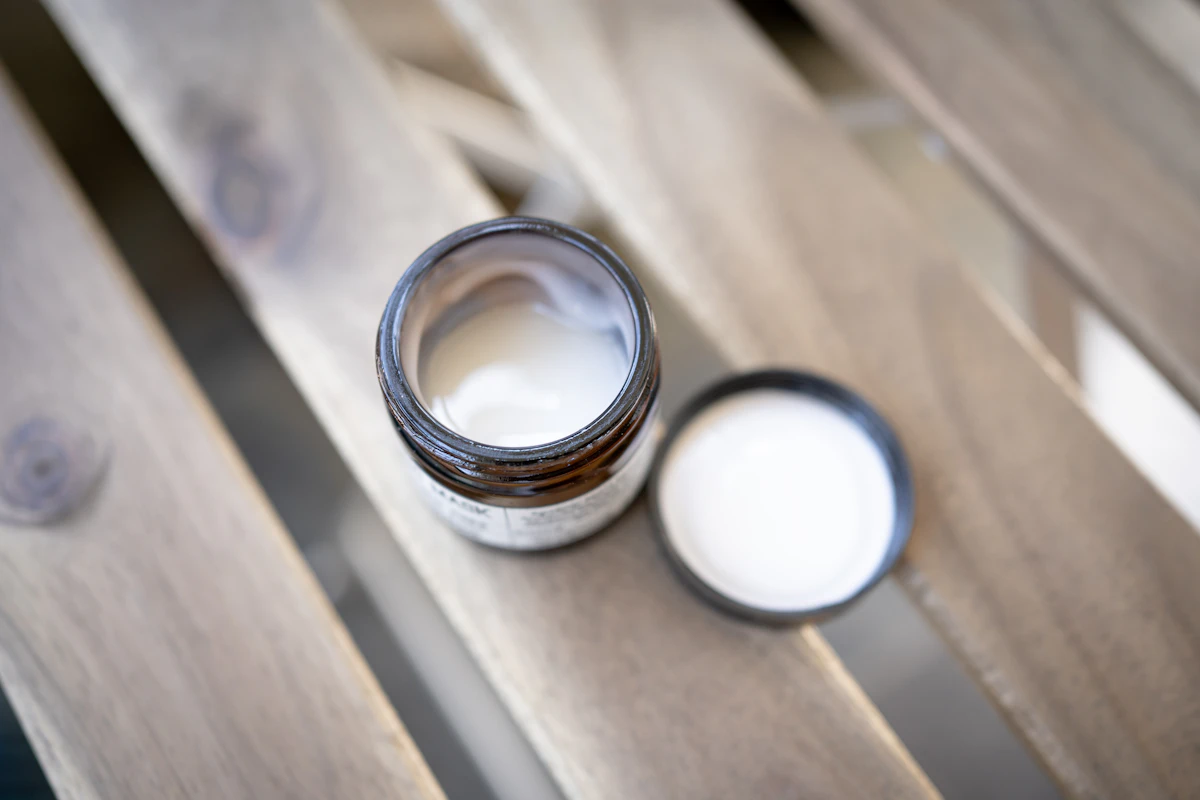
Use lotion for normal, slightly dry, oily or combination skin and for the face. Use cream for medium-dry skin and body butter for very dry skin or at night. For dry, cracked or eczema-prone skin, the American Academy of Dermatology (AAD) says ointments and creams work better than lotions. Apply any of them while your skin is still damp after washing. Be careful with body butter on acne-prone skin, and see a dermatologist if skin is red, cracked, itchy or does not improve.
Body butter vs lotion comes down to thickness. Lotion has more water and absorbs quickly, so it suits normal to slightly dry skin and oily or combination skin. Body butter is thicker and richer in oils, so it suits very dry skin, but it can feel greasy and may clog pores. Creams and ointments sit in between and beyond: ointments are the thickest.
This guide explains the differences, which skin types suit each product, how to use them and when to see a dermatologist. It is part of our body care guide.
Quick answer
Use lotion for normal, slightly dry, oily or combination skin and for the face. Use cream for medium-dry skin and body butter for very dry skin or at night. For dry, cracked or eczema-prone skin, the American Academy of Dermatology (AAD) says ointments and creams work better than lotions. Apply any of them while your skin is still damp after washing. Be careful with body butter on acne-prone skin, and see a dermatologist if skin is red, cracked, itchy or does not improve.
Body butter vs lotion: what is the difference?
Healthline quotes dermatologists who say the difference is mostly viscosity, or thickness: lotions have more water and less oil, and creams have more oil and less water. Body butter is on the thick end of that scale, described as a cream made with shea, cocoa, mango or palm butters.
Medical News Today describes body butter as a fat-based moisturizer that is thicker and more intensive and can feel greasy, while body lotion is an oil-in-water emulsion that is lighter and absorbs faster. Both are emollients.
| Lotion | Cream | Body butter | Ointment | |
|---|---|---|---|---|
| Water content | Highest | Medium | Low | Lowest |
| Thickness | Light | Medium | Thick | Thickest |
| Feel | Absorbs quickly | Richer | Can feel greasy | Greasy |
The AAD's page on how to pick a moisturizer says a gel is lightest, a cream is thicker, and an ointment is the thickest and most effective for dry skin.
Body lotion vs body butter: which suits your skin?
-
Normal or slightly dry skin: lotion, according to a dermatologist quoted by Healthline.
-
Medium-dry skin: cream.
-
Very dry skin: body butter. Healthline's dermatologist says many people use butter at night so skin can heal over eight hours. Medical News Today also says butter suits rough, dry or cracked skin.
-
Oily or combination skin: lotion. Healthline says to look for "non-greasy" on the label, and for combination skin to add a cream to dry areas if needed.
-
Face: a dermatologist quoted by Healthline says lotions work best on the face for all skin types, and butters are fine for lips.
-
Acne-prone skin: lotion. Healthline's dermatologist says creams may block pores and lead to breakouts.
-
Eczema: the National Eczema Association, cited by Healthline, ranks ointment first, cream second and lotion third. A dermatologist says lotions are generally not thick enough for eczema. Medical News Today says butter may ease mild to moderate eczema, but the claim rests on a study the page does not describe.
Does body butter clog pores?
Medical News Today says body butter can clog pores, while lotion is less likely to because it is lighter. The same page says butter may suit sensitive skin, citing one small study of 34 women, so the evidence is thin. Healthline says "noncomedogenic" on a label means a product should not clog pores, but neither page cites a standard test for this.
What about body cream vs body lotion vs body butter?
Cream is in the middle: more oil than lotion, less than butter. Medical News Today says there is little point in using lotion and butter at the same time. It suggests alternating, with butter on drier days.
How to use them
- Apply to damp skin. Healthline's dry-skin guide says to apply moisturizer on damp skin, ideally right after cleansing, and that a small study suggests moisturizing soon after a shower improves hydration.
- How often. Sources range from one to three times a day for lotion, daily for butter on dry or cracked skin and twice daily in Healthline's dry-skin routine. The AAD suggests at least twice a day for very dry skin.
- Choose fragrance-free if your skin is sensitive, as the AAD advises. Medical News Today does not discuss fragrance.
- Short, warm showers. Healthline's dry-skin guide suggests limiting bathing to about five minutes in warm water.
For very dry hands, see our guide to hand cream, and for lotions see body lotion.
When to see a dermatologist
Healthline's dermatologists say the only time to avoid lotions, creams and butters is on broken or damaged skin, where ointments are best until it heals, because preservatives can irritate it. See a dermatologist if skin is red, cracked, itchy, stinging or has a rash, or if dry skin does not improve after several weeks. Medical News Today says to ask a dermatologist before trying a new product if you have a skin condition.
FAQ
What is the difference between body butter and lotion?
Body butter is thicker and richer in oils. Lotion has more water and absorbs faster.
Is body butter better than lotion?
Not for everyone. Butter suits very dry skin. Lotion suits normal, oily or combination skin and the face.
Can I use body butter on my face?
Healthline's dermatologists say lotions work best on the face; butters are fine for lips. Body butter can clog pores.
Which is better for eczema: butter, cream, lotion or ointment?
The National Eczema Association ranks ointment first, then cream, then lotion. Ask a dermatologist.
Should I use body butter and lotion together?
Medical News Today says there is little point. Alternate them instead.
How often should I moisturize?
At least twice a day for very dry skin (AAD), ideally on damp skin.
This article is for general information and is not medical advice. Talk to a dermatologist about dry, cracked, itchy or inflamed skin.
Frequently asked questions
This article is for informational purposes only and does not constitute medical advice, diagnosis or treatment. Always consult a qualified healthcare professional before starting any supplement, diet or exercise programme, especially if you are pregnant, nursing, taking medication or have a medical condition. Statements about supplements have not been evaluated by the Food and Drug Administration.
Feel Better With Us Editorial Team
Our editors research every guide from primary sources and update it when the evidence changes. Our editorial standards