
Body Care & GroomingGuide
Lotion Body: How to Choose a Body Lotion and Use It Well
A lotion body (body lotion) is a light, water-rich moisturizer that spreads easily and absorbs fast. It is fine for normal or mildly dry skin, but several dermatology sources say thicker creams or ointments work better for very dry skin. What matters most is the ingredient list, how soon after bathing you apply it and whether it contains fragrance.
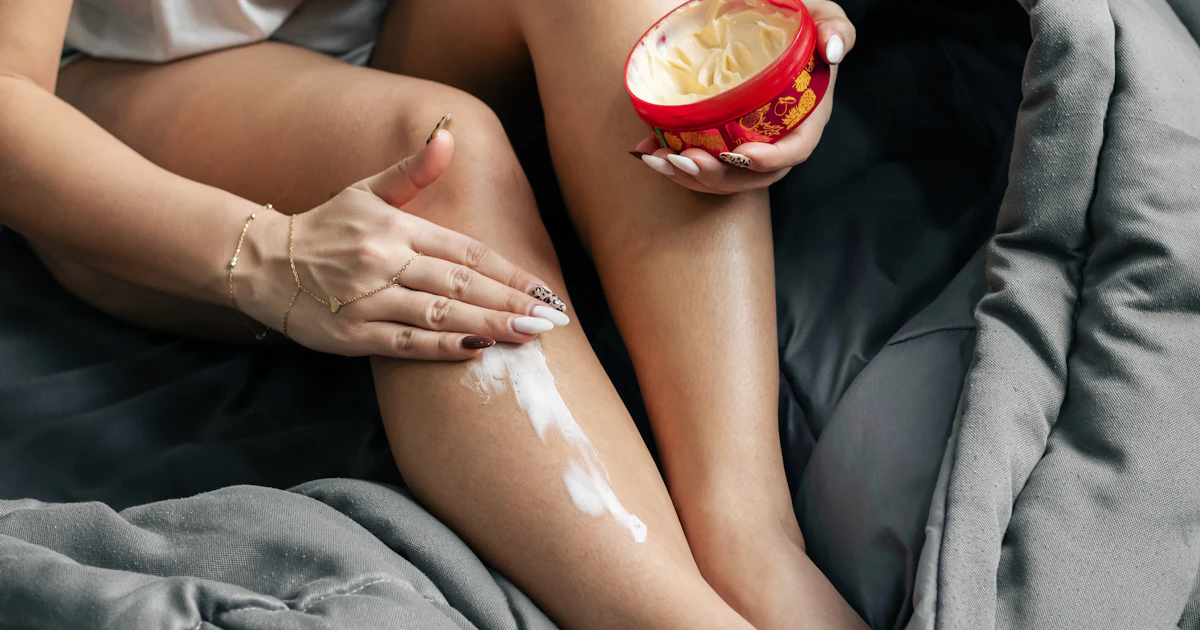
Choose a fragrance-free body lotion with a mix of humectants (such as glycerin or hyaluronic acid), emollients and an occlusive (such as petrolatum or dimethicone). Apply it within a few minutes of bathing, while your skin is still slightly damp. If your skin is very dry, cracked or itchy, a cream or ointment is usually a better pick than a lotion. See a dermatologist if skin does not improve with a good moisturizer and a gentler shower routine.
A lotion body (body lotion) is a light, water-rich moisturizer that spreads easily and absorbs fast. It is fine for normal or mildly dry skin, but several dermatology sources say thicker creams or ointments work better for very dry skin. What matters most is the ingredient list, how soon after bathing you apply it and whether it contains fragrance.
This guide explains how lotion differs from cream, which ingredients do what, how to apply it, why skin can stay dry even when you moisturize and when to see a dermatologist. It is part of our body care guide.
Quick answer
Choose a fragrance-free body lotion with a mix of humectants (such as glycerin or hyaluronic acid), emollients and an occlusive (such as petrolatum or dimethicone). Apply it within a few minutes of bathing, while your skin is still slightly damp. If your skin is very dry, cracked or itchy, a cream or ointment is usually a better pick than a lotion. See a dermatologist if skin does not improve with a good moisturizer and a gentler shower routine.
Body lotion vs cream: what is the difference?
Healthline says creams and ointments are thicker and may work better than lotions for consistently dry skin. The American Academy of Dermatology (AAD), on its page about how to pick a moisturizer, likewise ranks ointments as the thickest and most effective for dry skin, with creams in the middle and gels lightest. Medical News Today's guide to lotions for dry skin cites the AAD for the same point.
A dermatologist at Cleveland Clinic goes further and advises a cream rather than a lotion for the body. She says lotions contain more water and more alcohol, so they are more likely to dry the skin. In a Cleveland Clinic article on choosing a moisturizer this is stated without data. The sources do not say which alcohols are meant, and fatty alcohols in lotions are not drying, so treat this as an opinion. For thicker options, see our guide to body butter vs lotion.
Lotion body ingredients: what to look for
Cleveland Clinic says a good moisturizer combines three kinds of ingredients:
-
Humectants draw water into the skin: hyaluronic acid, lactic acid, urea, sorbitol and glycerin.
-
Occlusives form a seal that slows water loss: petrolatum, lanolin and dimethicone.
-
Emollients soften the skin: mineral oil, shea and other plant oils. Some also act as occlusives.
Cleveland Clinic and Healthline also name ceramides as helpful, and Healthline says research suggests ceramide moisturizers may be effective. Healthline lists antioxidants and aquaporins among ingredients that "may help," but gives no evidence for them. Medical News Today says colloidal oatmeal is recognized by the FDA as a skin protectant and that a 2020 study found oil-in-water moisturizers rehydrated dry leg skin.
Fragrance, botanicals and patch testing
Cleveland Clinic says to avoid fragrance, because it can cause inflammation that leads to flaking and itch. It adds that "fragrance-free" does not mean hypoallergenic, since plant extracts and essential oils may still be present. Medical News Today lists fragrances, preservatives, dyes and alcohol among common irritants and suggests a patch test: apply a small amount to the inner wrist or arm and wait 12 to 48 hours. Stop using the product if you react.
The sources disagree on plant oils. Cleveland Clinic names shea and coconut oil as emollients but also advises avoiding botanicals, and Healthline's dry-skin table lists many plant oils as helpful. If your skin is reactive, patch test any botanical product first.
When and how to apply body lotion
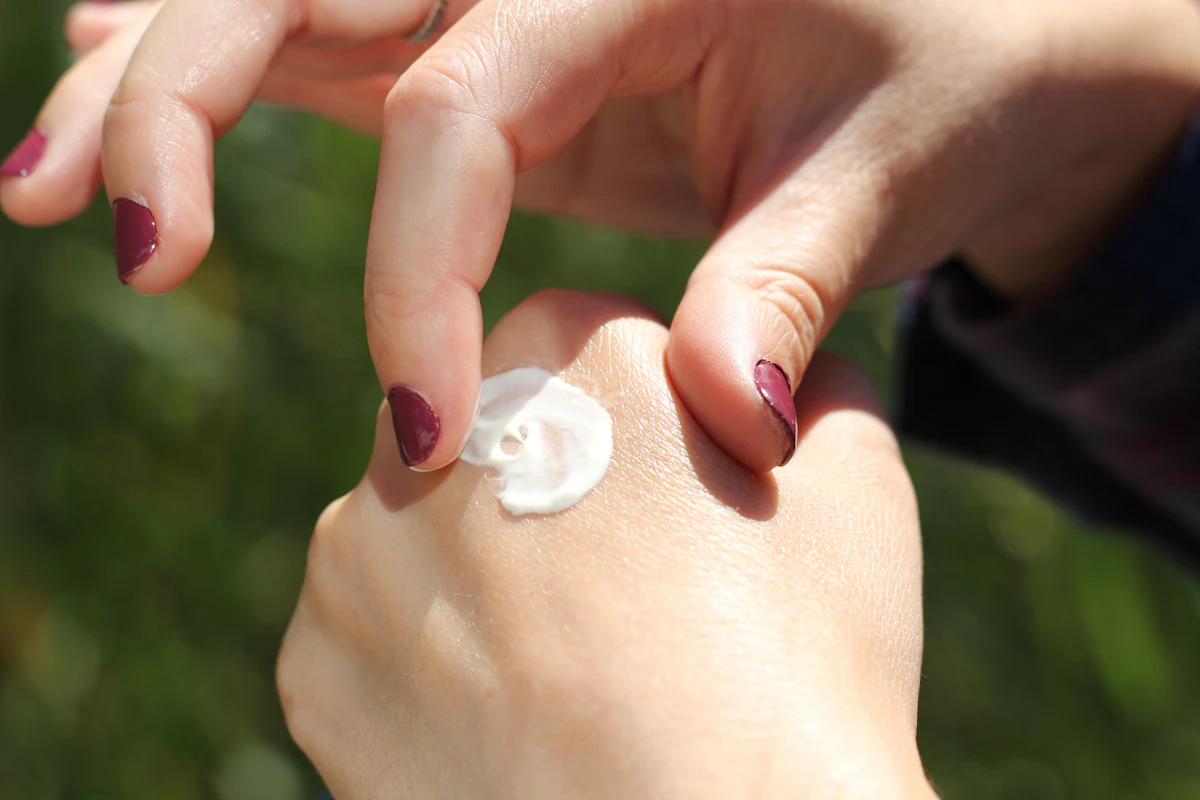
- Right after bathing. Cleveland Clinic says to pat dry so skin is not dripping, then apply moisturizer within three minutes. Healthline says to apply within a few minutes of towel-drying because occlusives trap water. No trial in these pages tests the three-minute window.
-
Be consistent. Cleveland Clinic says regular use reduces symptoms and flares in eczema-prone skin.
-
Shower gently. Cleveland Clinic suggests lukewarm water, five to 10 minutes and washing every other day if you can, because over-washing irritates the skin barrier. Healthline also lists very hot showers, harsh cleansers and chlorinated water as causes of dryness.
-
Hands: for very dry hands, see our guide to hand cream.
Why is my skin still dry when I use lotion?
Healthline lists 13 reasons, among them over-washing, harsh cleansers, the wrong product type, expired moisturizer, cold or dry air, hot water, some medications (retinoids, diuretics and others), skin conditions such as eczema or psoriasis, and underlying conditions such as thyroid disease or diabetes. Age matters too: Healthline calls dry skin the most common skin disorder in older adults. A lotion that is too thin for your skin is the simplest cause to fix.
Dry skin vs dehydrated skin
Healthline's guide to dry vs dehydrated skin says dry skin lacks oil, while dehydrated skin lacks water and can affect any skin type, including oily skin. The page offers a pinch test (skin that is slow to snap back may be dehydrated) but says it is not definitive. Medical News Today interprets the same test differently, so do not rely on it to diagnose yourself.
When to see a dermatologist
Healthline suggests seeing a dermatologist if itch disturbs your sleep or daily life, if you notice signs of infection (yellow crust, pus, swelling, heat), if you have a rash, wounds or bleeding cracks, or if skin does not improve with moisturizers and home care. Cleveland Clinic gives a similar rule: see a dermatologist if the right moisturizer and shower routine do not help.
FAQ
What is the best body lotion for dry skin?
The sources do not name one. Look for a fragrance-free formula with humectants, emollients and an occlusive, and consider a cream or ointment if your skin is very dry.
Is body lotion or body cream better?
For very dry skin, the AAD and Healthline say creams and ointments tend to work better than lotions. Lotion suits normal or mildly dry skin.
When should I put on body lotion?
Soon after bathing, while skin is still slightly damp. Cleveland Clinic says within three minutes.
Should body lotion be fragrance-free?
Dermatology sources advise avoiding fragrance if your skin is dry or sensitive, but fragrance-free does not guarantee a product will not irritate you.
Why is my skin dry even though I moisturize?
Common causes include over-washing, hot showers, harsh cleansers, the wrong product type, cold air and skin or medical conditions.
Can body lotion help with eczema?
A thicker cream or ointment is generally preferred. Ask a dermatologist about eczema-prone skin.
This article is for general information and is not medical advice. Talk to a dermatologist about persistent dryness, itch, rash or cracked skin.
Frequently asked questions
This article is for informational purposes only and does not constitute medical advice, diagnosis or treatment. Always consult a qualified healthcare professional before starting any supplement, diet or exercise programme, especially if you are pregnant, nursing, taking medication or have a medical condition. Statements about supplements have not been evaluated by the Food and Drug Administration.
Feel Better With Us Editorial Team
Our editors research every guide from primary sources and update it when the evidence changes. Our editorial standards