
Joint & MobilityGuide
Foam Roller: What It Does, How to Use It and What the Research Shows
A foam roller is a cylinder you roll over a muscle using your body weight. Research suggests it can modestly improve flexibility for a short time and may ease soreness a little, but the effects are small. Claims that it breaks up knots or fascia are not supported. It works best as a warm-up tool or a low-risk extra, not a cure.
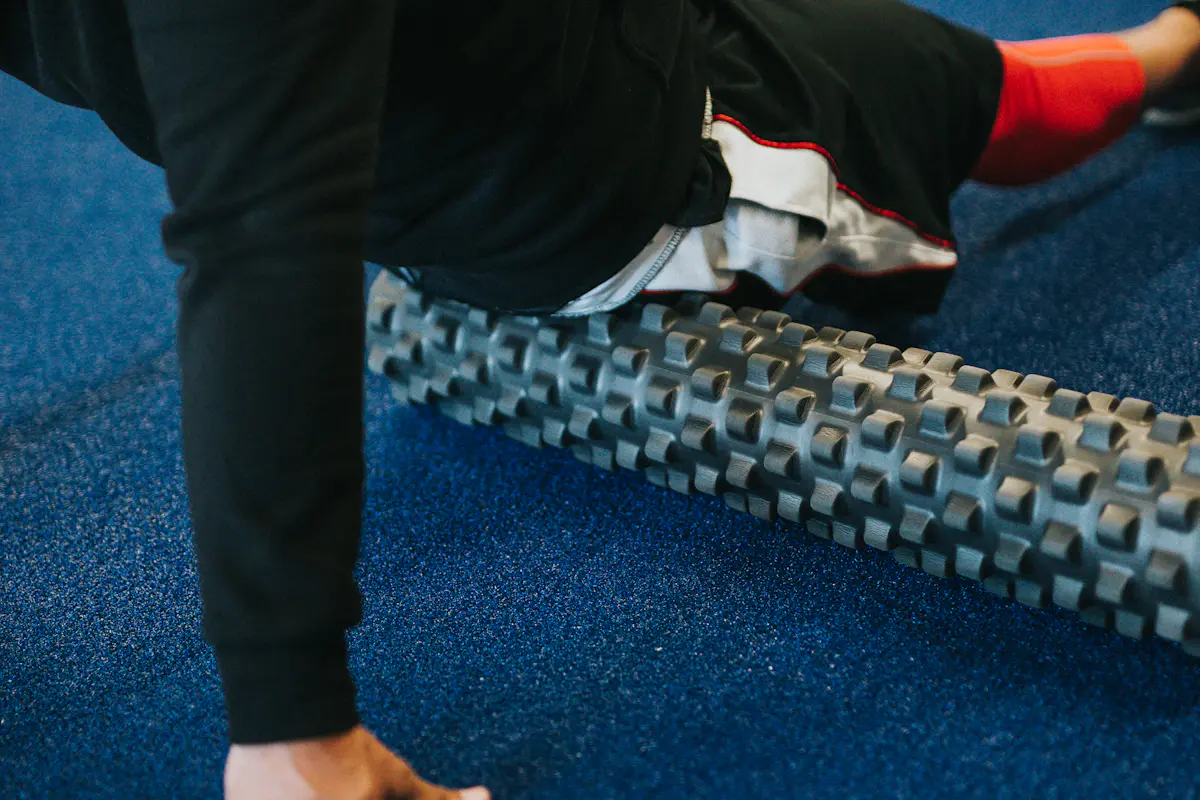
Foam rolling can increase flexibility for a short time and may reduce the feeling of soreness after exercise, but the benefits are small. A 2019 meta-analysis of 21 studies found minor effects, with better support for use before exercise than for recovery. To use it, roll slowly over large muscles such as the glutes and legs, and when you find a tender spot, move a few inches back and forth for 15 to 30 seconds. Stop if you clench or grimace. Do not roll over injuries, and see a doctor for lingering pain.
A foam roller is a cylinder you roll over a muscle using your body weight. Research suggests it can modestly improve flexibility for a short time and may ease soreness a little, but the effects are small. Claims that it breaks up knots or fascia are not supported. It works best as a warm-up tool or a low-risk extra, not a cure.
This guide explains what foam rolling is, what studies show, how to use a foam roller step by step, how long and how hard to roll, what the research cannot tell you and when to see a doctor. It is part of our joint health and mobility guide.
Quick answer
Foam rolling can increase flexibility for a short time and may reduce the feeling of soreness after exercise, but the benefits are small. A 2019 meta-analysis of 21 studies found minor effects, with better support for use before exercise than for recovery. To use it, roll slowly over large muscles such as the glutes and legs, and when you find a tender spot, move a few inches back and forth for 15 to 30 seconds. Stop if you clench or grimace. Do not roll over injuries, and see a doctor for lingering pain.
What is foam rolling?
Harvard Health's article on using a foam roller, written by a contributor and quoting a sports medicine doctor, describes foam rolling as a myofascial release technique. Fascia is a sheet of connective tissue around muscles, and rolling presses on both. Harvard says research is limited and mostly short and small.
Does foam rolling work? What research shows
-
Overall. A 2019 meta-analysis (Wiewelhove and colleagues) pooled 21 studies with 454 healthy, active people. It concluded the effects of foam rolling on performance and recovery are rather minor and partly negligible, but can be relevant in some cases, and that the evidence seems to justify its use as a warm-up more than as a recovery tool.
-
Flexibility. Rolling before exercise improved flexibility by about 4 percent on average, with no loss of performance. Jump and strength effects were negligible.
-
Soreness. After exercise, the largest effect was on perceived muscle soreness (about 6 percent less pain). Sprint and strength improved slightly.
-
Small trials. A 2025 trial of 60 adults (Szajkowski and colleagues) found that foam rolling and percussive massage helped some measures of muscle tone and stiffness after calf exercise compared with rest, but neither reduced pain more than rest. A 2015 study of eight men (Pearcey and colleagues) found less tenderness and better sprint and jump results 24 to 72 hours after heavy squats, but it was very small and some results had wide margins of error. A 2025 trial of 32 men (Rodoplu and colleagues) found a single bout of rolling after hamstring exercise improved flexibility by about 13 percent right afterward, with limited effects on stiffness and function.
Study results are inconsistent, and most are small and short-term. We found no study of lasting effects.
What foam rolling does not do
The meta-analysis calls the idea that rolling breaks up trigger points or "knots" highly speculative with no concrete evidence, and cites research suggesting that the pressure needed to deform firm fascia is greater than a foam roller usually applies. So the "foam roller muscle knots" claim is not supported. Why rolling helps at all is not settled.
How to use a foam roller
Harvard Health's tips:
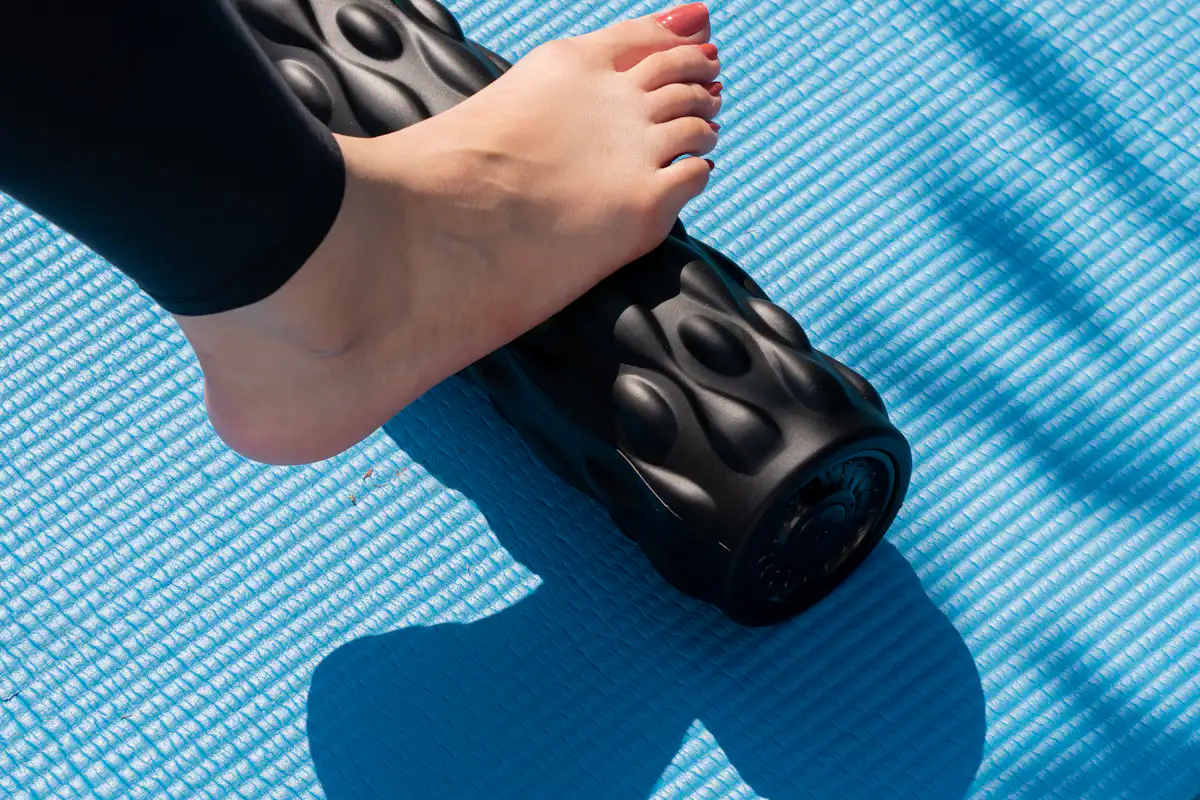
- Pick large muscle groups, such as the glutes, legs and back.
- Roll slowly. Move over the area.
- When you find a tender spot, stay on it. Roll back and forth about two to six inches, using your body weight.
- Start with 5 to 10 seconds and work up to 15 to 30 seconds per spot.
- Stop if you clench or grimace from pain.
The studies used longer sessions: 45 to 60 seconds per muscle in two trials, and 5 minutes in another. There is no agreed standard for time, pressure or frequency.
Foam roller exercises for common areas
- Calves. Sit with the roller under your lower leg and roll from ankle to just below the knee. The sources do not discuss calves specifically, so use the general technique above.
- Hamstrings. The 2025 trial rolled the back of the thigh with a metronome at about one roll every two seconds.
- Quadriceps, glutes and IT band. The 2015 study rolled each of these for 45 seconds. Harvard Health does not give specific IT band advice.
Foam roller for back problems and a sore back
Harvard Health lists the back among large muscle groups to roll. None of the pages we read give advice for back pain or back problems, such as which part of the spine to avoid or how to roll safely with a back injury. If you have back pain, ask a doctor or physical therapist before using a roller on your back, and do not roll directly on your lower spine or an injury.
Choosing a foam roller
The meta-analysis compared rollers with roller massage bars: rollers gave slightly better flexibility and strength results in some measures. The sources do not say which density or size is best. Smooth, firmer or softer designs are not compared in the pages we read, so choose by comfort. See also our guide to a massage gun.
Safety and when to see a doctor
Harvard Health says that if you roll too vigorously or for too long, you can cause tissue damage, and that delayed-onset muscle soreness is normal and resolves in two to four days. See a clinician if pain lingers. The pages we read do not mention bruising, blood clots, osteoporosis or other conditions that need caution, so ask a doctor if you have any of these, are pregnant or have a recent injury. For stretching tips, see our guide on stretching before or after a workout.
FAQ
Does foam rolling work?
It can modestly improve flexibility for a short time and may reduce soreness a little. Effects are small.
Should I foam roll before or after a workout?
The meta-analysis found better support for rolling before exercise (flexibility) than for recovery, but it also found a small effect on perceived soreness after exercise.
How long should I foam roll?
Harvard suggests 15 to 30 seconds per tender spot. Studies used 45 to 60 seconds per muscle.
Can a foam roller break up muscle knots?
No evidence supports this. The meta-analysis calls it highly speculative.
Is foam rolling good for a sore back?
The sources do not give back-specific advice. Ask a doctor or physical therapist first and do not roll on injuries.
Is foam rolling safe?
It is low-risk for most people, but rolling too hard or too long can cause tissue damage. Stop if you feel sharp pain.
Related guides: exercise and joint health, cold and heat therapy for joint pain and magnesium and the muscle-joint connection.
This article is for general information and is not medical advice. Talk to a doctor or physical therapist about pain, injury or health conditions before foam rolling.
Frequently asked questions
This article is for informational purposes only and does not constitute medical advice, diagnosis or treatment. Always consult a qualified healthcare professional before starting any supplement, diet or exercise programme, especially if you are pregnant, nursing, taking medication or have a medical condition. Statements about supplements have not been evaluated by the Food and Drug Administration.
Feel Better With Us Editorial Team
Our editors research every guide from primary sources and update it when the evidence changes. Our editorial standards