
How to Get Rid of Razor Bumps and Stop Them Coming Back
To get rid of razor bumps, stop shaving the area for a while, keep skin clean, soothe it with a cool or warm compress and avoid picking. Most bumps clear without treatment. Shaving less often, with the grain, with a clean blade and a bit of stubble left, helps stop razor bumps coming back. See a doctor if they are painful, infected or keep returning.
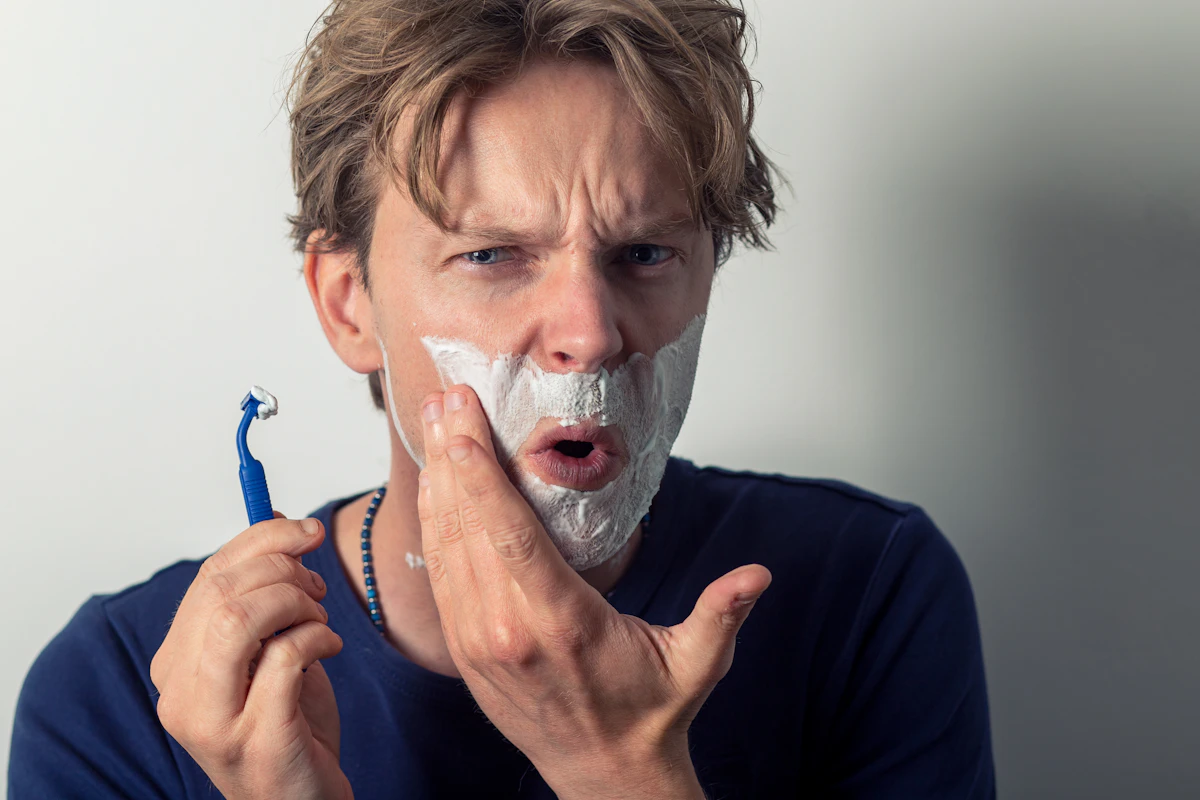
Razor bumps are hairs that curl back into the skin after shaving. To treat them: stop shaving the area, wash gently, apply a cool or warm compress, avoid picking or squeezing, and ask a pharmacist about creams for itching. To prevent them: wet skin with warm water, use shaving gel, shave in the direction of hair growth, use as few strokes as possible, leave a little stubble, use a clean sharp razor or an electric razor and do not shave every day. We found no reliable way to get rid of razor bumps overnight. See a doctor if bumps are very painful, hot, swollen or recurring.
How to get rid of razor bumps? Stop shaving the area for a while, keep skin clean, soothe it with a cool or warm compress and avoid picking. Most bumps clear without treatment. Shaving less often, with the grain, with a clean blade and a bit of stubble left, helps stop razor bumps coming back. See a doctor if they are painful, infected or keep returning.
This guide explains what razor bumps are, how to treat and prevent them, what the sources say (and do not say) about home remedies, and when to get medical help. It is part of our body care guide.
Quick answer
Razor bumps are hairs that curl back into the skin after shaving. To treat them: stop shaving the area, wash gently, apply a cool or warm compress, avoid picking or squeezing, and ask a pharmacist about creams for itching. To prevent them: wet skin with warm water, use shaving gel, shave in the direction of hair growth, use as few strokes as possible, leave a little stubble, use a clean sharp razor or an electric razor and do not shave every day. We found no reliable way to get rid of razor bumps overnight. See a doctor if bumps are very painful, hot, swollen or recurring.
What are razor bumps?
Healthline's guide to razor bumps describes raised, red, itchy or painful bumps where a hair grows back into or gets stuck in the follicle. The medical name is pseudofolliculitis barbae (PFB). The NHS page on ingrown hairs says they are more likely with coarse or curly hair and in shaved areas such as the face and neck, legs, armpits, chest, back and pubic area. Waxing, plucking and threading can cause them too. The skin may look red on white skin and a different color on black or brown skin.
Healthline notes that razor bumps are common in people with curly hair. It cites figures that between 45 and 85 percent of Black men get them, drawn from a 2013 review we did not check.
How to get rid of razor bumps
1. Stop shaving the area
The NHS says the best way to prevent ingrown hairs is not to shave. If you can, let the bumps settle before you shave again.
2. Use a compress
The NHS suggests holding a cool, wet cloth on the skin after shaving. Healthline mentions warm compresses with green tea bags for irritated bumps. Both are low-risk comfort measures; the pages do not compare them.
3. Gently release trapped hairs
The NHS suggests an exfoliating scrub to release trapped hairs. Healthline suggests gentle exfoliation, and also lists retinoids, glycolic acid, salicylic acid and benzoyl peroxide to clear the follicle opening. Do not dig out hairs with tweezers or a needle.
4. Do not pick, squeeze or scratch
The NHS warns that this can damage skin and lead to infection.
5. Treat itching and redness
The NHS says a pharmacist can advise on creams for itching and on mild antiseptics. Healthline says over-the-counter steroid creams can be used as a spot treatment for irritated bumps. Follow the label and ask a pharmacist if you are unsure.
Home remedies: what the evidence shows
Healthline lists aloe vera, tea tree oil in warm water and a sugar and olive oil scrub as home remedies. The page cites no studies for these, and its claims (for example that aloe quickly stops itching) are not backed by evidence on the page. If you try them, patch test first and stop if skin reacts.
How long does it take?
The sources do not give a timeline. For this reason we do not promise to get rid of razor bumps overnight or fast. Healthline says razor bumps are a chronic condition for some people, and that treating them early helps avoid scarring.
How to prevent razor bumps
The NHS and Healthline agree on most points:
-
Prepare the skin. Wet the skin with warm water and use shaving gel or a non-irritating shaving cream.
-
Shave with the grain, in the direction the hair grows, with as few strokes as possible and without pulling the skin tight.
-
Do not shave too close. The NHS says to leave at least 1 mm of stubble.
-
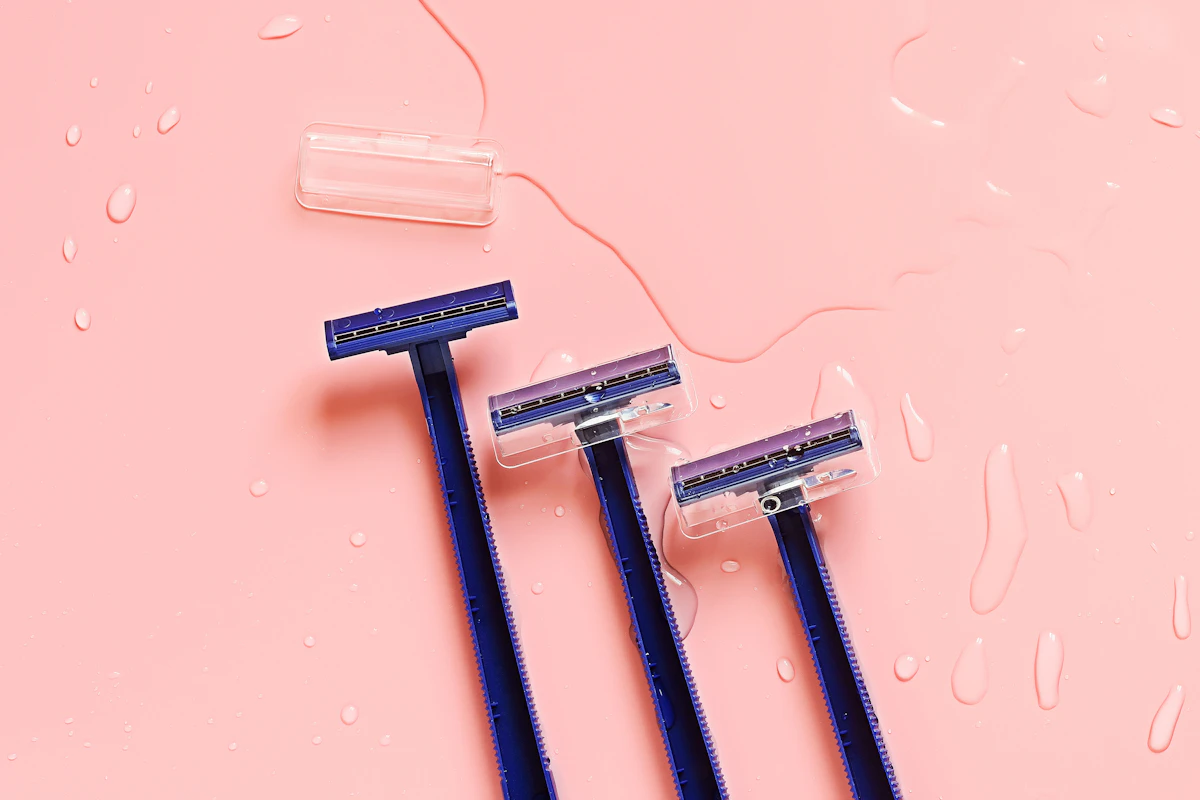
Use a sharp, clean razor. Replace razors often and rinse the blade after every stroke. Do not use a blunt razor.
-
Shave less often. The NHS says not to shave every day if possible.
-
Try an electric razor or another method, such as hair removal cream. See our guide on the best razor for sensitive skin.
-
Consider long-term hair removal. Healthline says laser hair removal or electrolysis can work in some cases; one expert says that with no hair follicle growth, there is no chance of an ingrown hair. The page notes an average laser session cost of $306 (2023). Ask a dermatologist whether it suits your skin.
For after-shave care, see our guide to a warm compress for razor bumps.
Complications
Healthline says untreated razor bumps can lead to scarring, including keloids (hard raised scars), and that abscesses are rare. Darkening of the skin can also occur. Treating them early lowers the risk.
When to see a doctor
The NHS says most ingrown hairs need no medical help, but see a doctor (GP) if:
- the hair or area is very painful, hot or swollen;
- you have a high temperature or feel unwell with shivers.
Healthline adds that you should see a dermatologist if bumps keep coming back, or if you cannot clear them yourself, to avoid permanent scarring. A doctor can remove a trapped hair with a sterile instrument, prescribe a steroid cream for swelling, or give antibiotic cream or tablets for infection. Bumps that look similar can sometimes be a fungal or bacterial infection, which need different treatment.
FAQ
How do you get rid of razor bumps fast?
We did not find a method that works overnight. Stop shaving, keep the area clean, use a compress and avoid picking. Most settle over time.
How do you treat razor bumps?
Gentle care, a cool or warm compress, mild exfoliation and a pharmacist-approved cream for itching. See a doctor if they are infected or recurring.
How can you prevent razor bumps?
Shave with the grain, use shaving gel, leave a little stubble, use a clean sharp razor or an electric razor and do not shave daily.
How do you heal razor bumps?
Let skin rest from shaving and avoid picking. Healing time is not given in the sources.
How do you stop razor bumps for good?
There is no guarantee. Changing how you shave, or choosing long-term hair removal such as laser, may help some people.
Is it OK to pop a razor bump?
No. The NHS says picking or squeezing can damage skin and lead to infection.
This article is for general information and is not medical advice. Talk to a doctor or dermatologist about painful, infected, scarring or recurring bumps.
Frequently asked questions
This article is for informational purposes only and does not constitute medical advice, diagnosis or treatment. Always consult a qualified healthcare professional before starting any supplement, diet or exercise programme, especially if you are pregnant, nursing, taking medication or have a medical condition. Statements about supplements have not been evaluated by the Food and Drug Administration.
Feel Better With Us Editorial Team
Our editors research every guide from primary sources and update it when the evidence changes. Our editorial standards