
Visceral Fat: Why This Type Is Different — And What to Do About It
Not all body fat is equal. The deep abdominal fat you can't see or pinch carries unique metabolic risks — and responds to specific strategies.
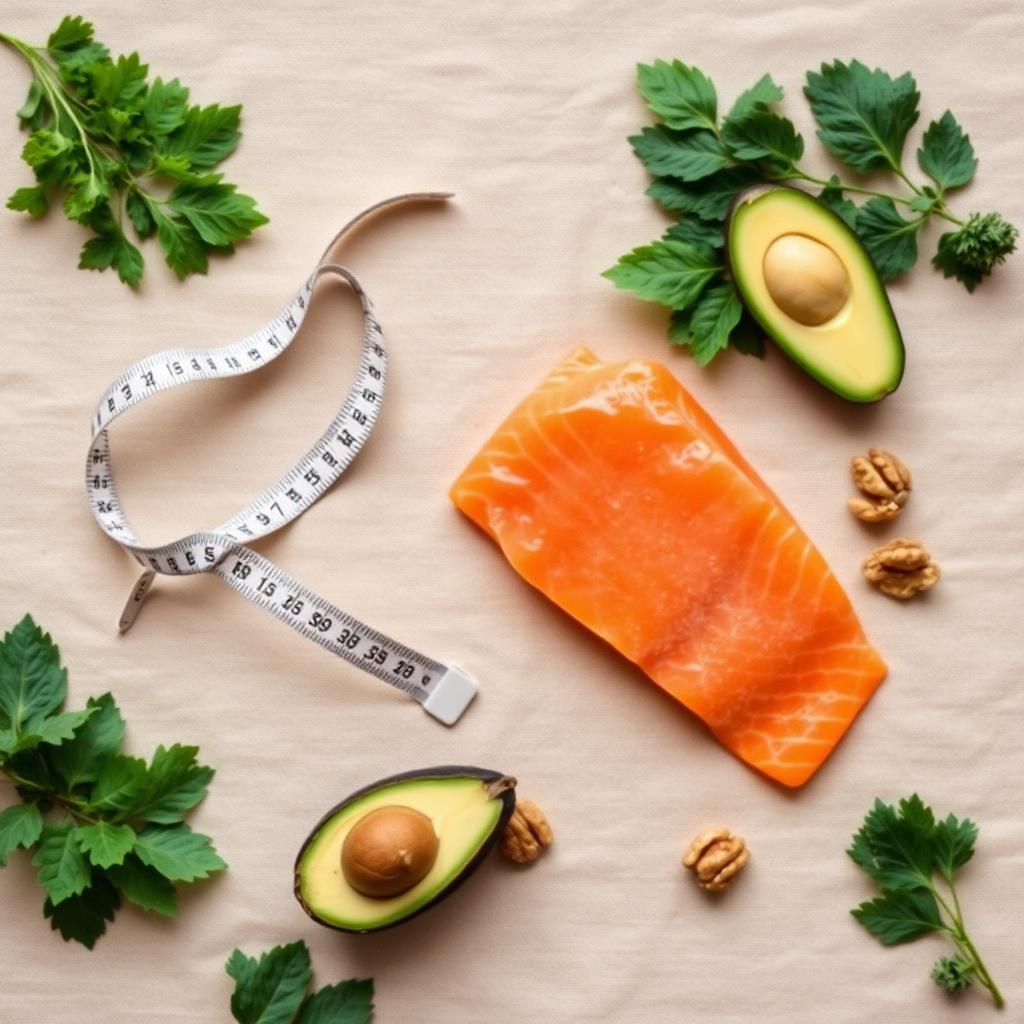
Pull at the skin on your abdomen, and you are pinching subcutaneous fat — the layer that sits just beneath the skin. It is visible, measurable, and in common conversation, the fat most people refer to when discussing weight. But it may not be the fat that matters most to your long-term health.
What visceral fat actually is
Visceral fat — sometimes called 'organ fat' — is located deep in the abdominal cavity, surrounding the liver, pancreas, intestines, and other organs. You cannot pinch it. You cannot feel it. But researchers have identified it as a particularly metabolically active tissue.
Visceral fat has an unusually high lipolytic rate — it releases fatty acids more readily — and crucially, it drains directly into the portal vein, which feeds the liver. This means visceral fat-derived fatty acids and inflammatory molecules reach the liver before anywhere else in the body.
The inflammatory activity of visceral fat
Visceral fat is not merely a storage depot. It functions as an endocrine organ, secreting pro-inflammatory cytokines (IL-6, TNF-alpha), adipokines, and free fatty acids. This inflammatory activity underlies much of the systemic metabolic disruption associated with abdominal obesity.
The abdomen is not just a storage site. Visceral fat is actively communicating with the liver, the immune system, and the brain — and most of what it's saying raises metabolic risk.
— Dr. Arielle Fontaine, MD, PhD, Obesity Medicine, Montreal Clinical Research Institute
How visceral fat accumulates
Visceral fat accumulation is driven by dietary excess, physical inactivity, and poor sleep — but with notable amplifiers. Cortisol has a particular affinity for visceral fat deposition. Declining sex hormones shift fat distribution toward the abdomen. Insulin resistance promotes visceral accumulation.
Waist circumference remains a clinically useful measure — a 2020 study in the European Heart Journal found it was a stronger predictor of cardiometabolic risk than BMI in adults over 40.
What the research says about reducing visceral fat
The good news is that visceral fat is notably more responsive to lifestyle intervention than subcutaneous fat. Multiple studies have shown that dietary improvements and aerobic exercise reduce visceral fat disproportionately relative to total body fat.
A 2021 meta-analysis in Obesity Reviews found that endurance exercise reduced visceral fat by a mean of 6.1% even in studies where total body weight did not change significantly.
The dietary angle
Diets high in fructose (particularly from sugar-sweetened beverages) have been specifically associated with visceral fat accumulation, independent of total caloric intake. Reducing liquid sugar intake appears to be among the most impactful single dietary changes.
Conversely, diets rich in soluble fiber have been associated with reduced visceral fat. Soluble fiber feeds beneficial gut bacteria, reduces inflammation, and improves insulin sensitivity.
Sleep and visceral fat
Sleep duration has a particularly strong relationship with visceral fat. A study in the American Journal of Clinical Nutrition found that participants sleeping five hours or fewer per night had significantly greater visceral fat accumulation over a five-year follow-up — independent of diet and exercise.
What metabolic specialists focus on A targeted combination of nutrients designed to support insulin sensitivity, reduce inflammatory burden, and address the cortisol response — the metabolic factors most directly linked to visceral fat accumulation.
Understanding visceral fat as a distinct biological entity — not simply 'more belly fat' — reframes the conversation around abdominal health.
References
- European Heart Journal — Waist circumference vs BMI as cardiometabolic risk markers, 2020
- Obesity Reviews — Exercise and visceral fat reduction meta-analysis, 2021
- American Journal of Clinical Nutrition — Sleep duration and visceral fat accumulation
Frequently asked questions
This article is for informational purposes only and does not constitute medical advice, diagnosis or treatment. Always consult a qualified healthcare professional before starting any supplement, diet or exercise programme, especially if you are pregnant, nursing, taking medication or have a medical condition. Statements about supplements have not been evaluated by the Food and Drug Administration.
Feel Better With Us Editorial Team
Our editors research every guide from primary sources and update it when the evidence changes. Our editorial standards