
Chronic Stress and Brain Plasticity: How Stress Reshapes the Brain
Chronic stress physically alters brain structure — and recovery, while possible, takes time.
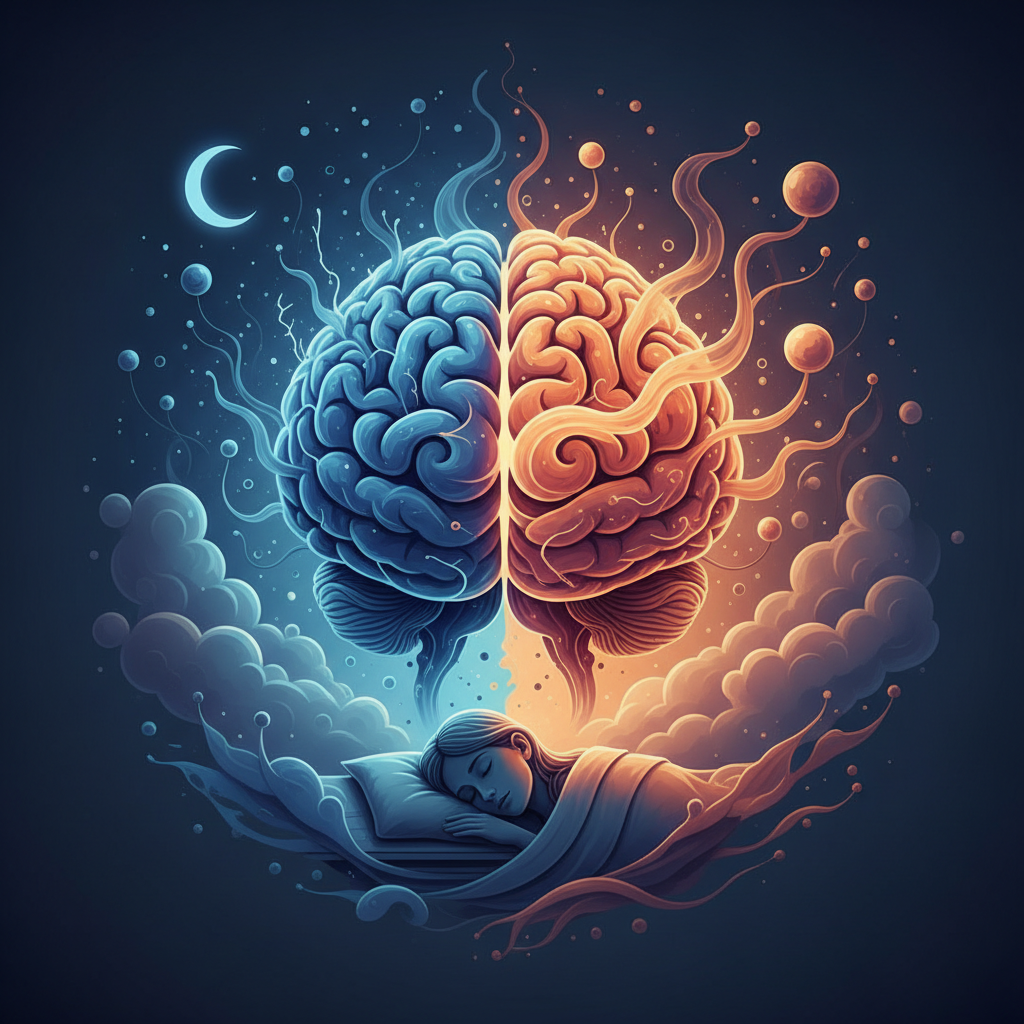
Chronic stress is not just a feeling. It physically changes brain structure in measurable ways — visible on imaging, detectable on cognitive testing, and felt in daily function. Understanding these changes helps explain why chronic stress leaves marks that don't disappear when the stressor does.
The brain that emerges from chronic stress is not the same brain that entered it. The good news is that change continues to be possible — neuroplasticity works in both directions.
Structural changes from stress
Chronic stress particularly affects three brain regions. The hippocampus — central to memory formation and emotional regulation — actually shrinks under prolonged cortisol exposure. The prefrontal cortex (executive function, decision-making, emotional regulation) shows reduced gray matter and altered connectivity. The amygdala (fear and threat detection) becomes hyperactive and enlarged.
This pattern produces predictable functional effects: memory difficulties, emotional dysregulation, anxiety, reduced ability to focus, and heightened reactivity to perceived threats. These are not character changes — they are structural changes affecting cognitive and emotional function.
The brain that emerges from chronic stress is not the same brain that entered it. The good news is that change continues to be possible.
— Dr. Bruce McEwen, PhD, Rockefeller University
Reversibility evidence
The encouraging news is that brain changes from stress are largely reversible with appropriate intervention. Hippocampal volume can recover. Prefrontal cortex function can be restored. Amygdala reactivity can be normalized. The catch is that these changes take time — typically months to years — and require sustained intervention.
Neuroplasticity supporting interventions include exercise (which produces BDNF and supports neurogenesis), meditation (which has documented effects on brain structure including increased prefrontal cortex gray matter), adequate sleep, and learning new skills.
Interventions that help
Several specific approaches support recovery from stress-induced brain changes. Aerobic exercise is one of the most powerful — it directly stimulates BDNF production and hippocampal neurogenesis. Cognitive behavioral therapy reshapes neural pathways through directed practice. Mindfulness meditation produces measurable structural brain changes within weeks.
Specific nutrients support brain recovery: omega-3 fatty acids for neuronal membrane health, magnesium for NMDA receptor regulation, B vitamins for neurotransmitter production, and adaptogenic herbs for HPA axis support. The combination of behavioral and nutritional approaches produces faster recovery than either alone.
What integrative neurology practitioners recommend A brain restoration protocol combining regular aerobic exercise, mindfulness practice, sleep optimization, and targeted nutrient support — addressing both structural recovery and functional improvement simultaneously.
Sleep and stress regulation form the foundation under every other wellness intervention. Get them right, and other strategies tend to work better. Get them wrong, and even excellent diets and exercise programs deliver less than they should.
References
- Nature Reviews Neuroscience — Stress and brain structure
- Trends in Cognitive Sciences — Reversibility of stress effects on brain
- Neuroplasticity — Exercise and BDNF in stress recovery
Frequently asked questions
This article is for informational purposes only and does not constitute medical advice, diagnosis or treatment. Always consult a qualified healthcare professional before starting any supplement, diet or exercise programme, especially if you are pregnant, nursing, taking medication or have a medical condition. Statements about supplements have not been evaluated by the Food and Drug Administration.
Feel Better With Us Editorial Team
Our editors research every guide from primary sources and update it when the evidence changes. Our editorial standards