
SleepGuide
Melatonin and Light Exposure: Why Evening Light Is Sabotaging Your Sleep
Even modest evening light exposure suppresses melatonin production — and most modern environments deliver too much.
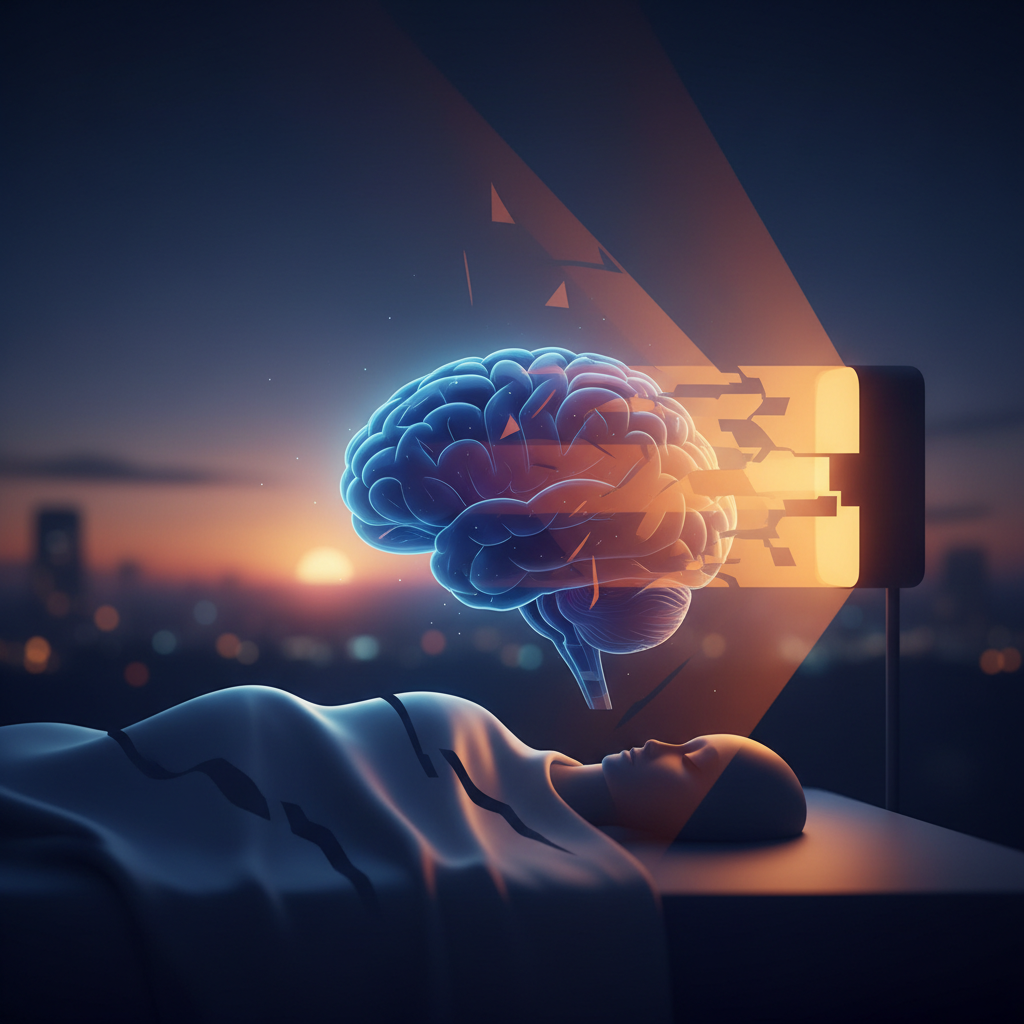
Melatonin is exquisitely sensitive to light. Evening blue light from screens and overhead lighting affects it more than most realize. Understanding the relationship between light exposure and melatonin production helps explain why so many adults struggle with sleep onset despite proper sleep hygiene in other respects.
Your retina is part of your sleep system. Treating it carelessly in the evening costs you sleep architecture — and the costs accumulate.
How light suppresses melatonin
Specialized photoreceptor cells in the retina (intrinsically photosensitive retinal ganglion cells, or ipRGCs) detect light specifically to signal the suprachiasmatic nucleus — the brain's master clock. These cells are most sensitive to blue light at approximately 480nm wavelength.
When these cells detect light in the evening, they suppress melatonin production from the pineal gland. Even modest exposure (just 8 lux of light, dimmer than typical room lighting) measurably suppresses melatonin in some individuals. Brighter exposure produces larger and longer-lasting suppression.
Even modest blue light exposure in the evening measurably affects melatonin onset. The effect is real, even if the magnitude varies.
— Dr. Mariana Figueiro, PhD, Mount Sinai
Modern evening environments
The lighting environments most adults inhabit in the evening systematically suppress melatonin. Standard ceiling LED lights often provide 200-500 lux at face level — easily enough to delay melatonin onset. Smartphone and laptop screens viewed close to the face deliver direct blue light to the eyes.
This is not unique to certain devices — it is the cumulative effect of multiple modern light sources acting together. Reducing each individually, or all collectively in the evening hours, produces measurable improvements in sleep onset and quality.
Practical mitigation
Several strategies reduce evening light's impact on melatonin. Switching to warm, dim lighting in the evening (preferably below 100 lux). Using blue-light-blocking glasses for screen use after sunset. Reducing screen brightness or using night-shift modes that filter blue wavelengths. Stopping screen use entirely 1-2 hours before bed.
Conversely, bright morning light exposure helps anchor the cortisol rhythm and ultimately strengthens evening melatonin response. The relationship is paradoxical — the better your morning light exposure, the more sensitive you are to the absence of evening light.
What sleep specialists recommend A combined approach addressing evening light exposure (warm lighting, screen reduction, blue-blocking glasses) alongside supportive nutrients (magnesium, glycine, modest melatonin doses) for restoration of natural sleep architecture.
Sleep and stress regulation form the foundation under every other wellness intervention. Get them right, and other strategies tend to work better. Get them wrong, and even excellent diets and exercise programs deliver less than they should.
References
- Journal of Clinical Endocrinology — Light exposure and melatonin
- Sleep Health — Blue-blocking glasses RCT
- Lighting Research and Technology — Lighting environments and circadian effects
Frequently asked questions
This article is for informational purposes only and does not constitute medical advice, diagnosis or treatment. Always consult a qualified healthcare professional before starting any supplement, diet or exercise programme, especially if you are pregnant, nursing, taking medication or have a medical condition. Statements about supplements have not been evaluated by the Food and Drug Administration.
Feel Better With Us Editorial Team
Our editors research every guide from primary sources and update it when the evidence changes. Our editorial standards