
Hormonal Fluctuations and Skin: Why Your Skin Changes With Your Cycle and Your Decade
Estrogen, progesterone, testosterone, and cortisol all leave fingerprints on your skin.
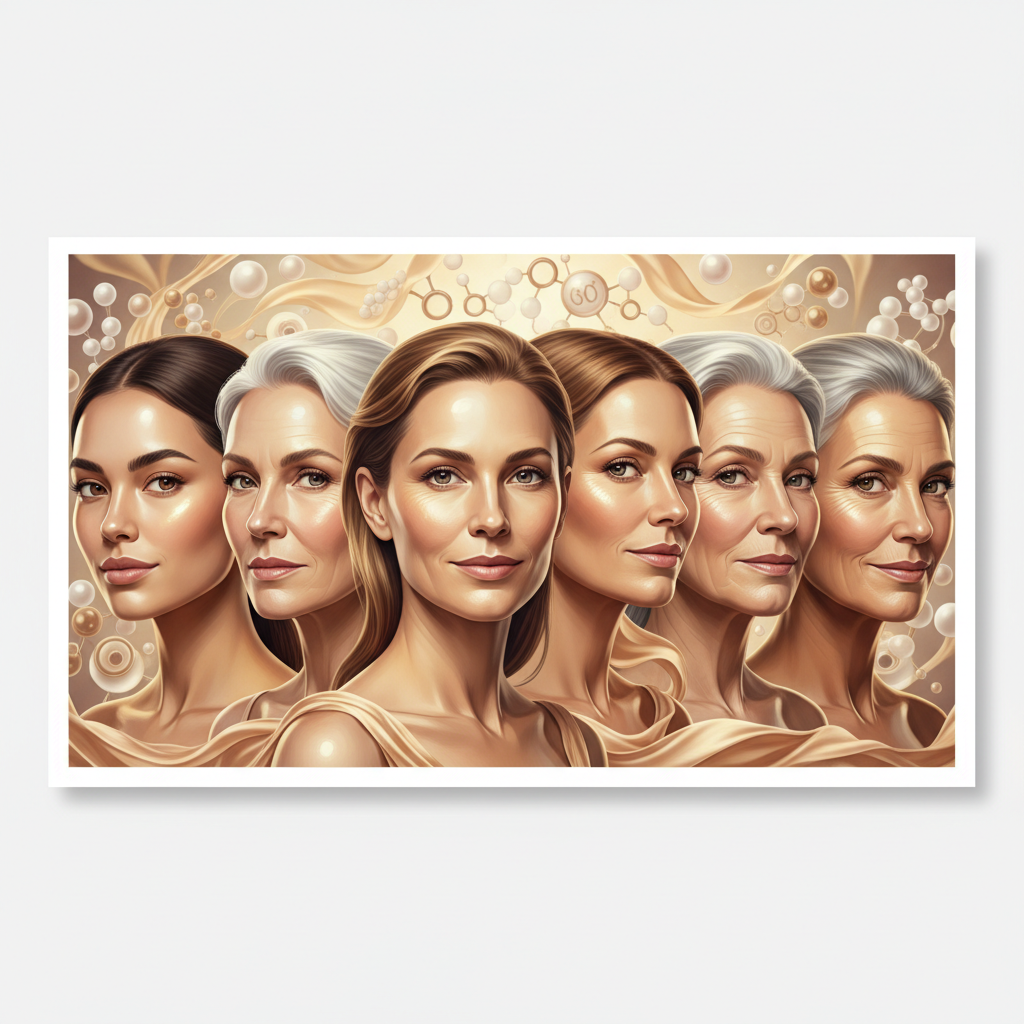
Skin is not a static organ. It responds to hormonal shifts on time scales from days (the menstrual cycle) to decades (perimenopause and beyond). Understanding these patterns helps make sense of why skin changes despite consistent skincare routines.
Skin is one of the most hormone-responsive organs we have — every major hormone has receptors in skin cells, and each affects different aspects of skin biology. Treating skin without acknowledging the hormonal context misses much of the picture.
Menstrual cycle and skin
Across the typical menstrual cycle, skin shifts predictably. The follicular phase (after menstruation) typically features improved skin clarity due to rising estrogen. Around ovulation, peak estrogen produces optimal skin appearance. The luteal phase brings rising progesterone and increased oil production. Premenstrually, hormonal shifts often produce breakouts and increased sensitivity.
These cyclical changes are normal but can become more pronounced with hormonal imbalances. Tracking patterns helps identify when interventions are most needed and what hormonal contributions might be relevant.
Skin is one of the most hormone-responsive organs we have. Treating it without addressing the hormonal context misses much of the picture.
— Dr. Sarah Brewer, MD, London
Perimenopause changes
The years preceding menopause (often 35–50 in women) feature increasingly variable hormonal patterns. Estrogen begins to decline while testosterone remains relatively stable, shifting the ratio. The result is often a combination of dryness (from lower estrogen) and adult acne (from relatively higher androgen activity).
After menopause, sustained low estrogen accelerates collagen loss, thinning, and dryness. Up to 30% of dermal collagen is lost in the first five years post-menopause. This makes the perimenopausal years particularly important for proactive skin investment.
Intervention windows
Different hormonal phases respond to different interventions. Cyclical hormonal acne may benefit from anti-androgen approaches (zinc, spearmint, saw palmetto). Perimenopausal dryness responds to barrier support and oral collagen. Cortisol-driven skin issues respond to stress management and HPA axis support.
For perimenopausal and postmenopausal skin specifically, oral collagen, omega-3s, and antioxidants address the underlying biological shifts. Topical retinoids and growth factor formulations support the cellular repair systems that decline with hormonal changes.
What integrative dermatologists recommend A hormonally-informed approach combining nutritional support specific to life stage, targeted topical treatment for current concerns, and recognition of the cyclical and developmental hormonal context shaping skin behavior.
Skin and hair are visible witnesses to internal biochemistry. The visible surface tells a story about underlying nutritional status, hormonal balance, and inflammatory tone — and listening to that story carefully can reveal what to address from the inside out.
References
- Maturitas — Estrogen decline and skin aging
- Journal of Drugs in Dermatology — Hormonal contributors to adult acne
- Climacteric — Skin changes through perimenopause and menopause
Frequently asked questions
This article is for informational purposes only and does not constitute medical advice, diagnosis or treatment. Always consult a qualified healthcare professional before starting any supplement, diet or exercise programme, especially if you are pregnant, nursing, taking medication or have a medical condition. Statements about supplements have not been evaluated by the Food and Drug Administration.
Feel Better With Us Editorial Team
Our editors research every guide from primary sources and update it when the evidence changes. Our editorial standards