
Astaxanthin: The Marine Antioxidant and Its Role in Joint Health
This carotenoid outperforms common antioxidants by extraordinary margins.
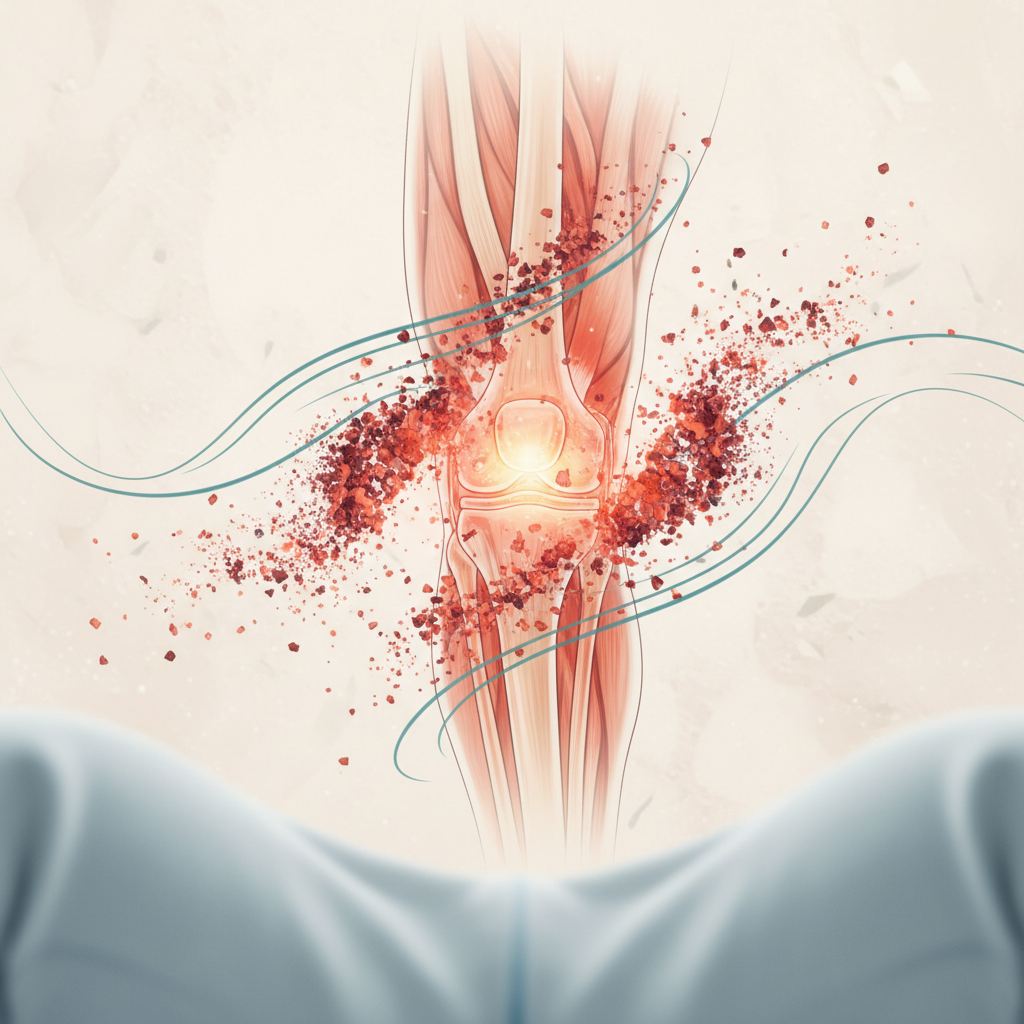
If you were to rank dietary antioxidants by free radical scavenging power, astaxanthin would sit at the top by considerable margins. Compared to vitamin C, it is approximately 65 times more potent. These differentials are beginning to attract serious clinical research attention for oxidatively stressed tissues — including joints.
Understanding what the research actually shows — and what it doesn't — helps adults make grounded decisions in a wellness landscape full of overconfident claims.
What astaxanthin is
Astaxanthin is a xanthophyll carotenoid responsible for the pink-red color of salmon, shrimp, and krill. In nature, it is produced primarily by the microalgae Haematococcus pluvialis under stress conditions. Its remarkable antioxidant properties derive partly from its molecular structure — it spans the full width of the lipid bilayer, protecting both inner and outer membrane surfaces simultaneously.
This unique architecture means astaxanthin protects the entire lipid membrane rather than just the outer layer — a meaningfully different level of protection for cells under sustained oxidative attack.
Astaxanthin's unique membrane architecture means it does something no other known antioxidant does — it protects the entire lipid membrane rather than just the outer layer.
— Dr. Maret Traber, PhD, Oregon State University
Astaxanthin and joint tissue
Joint cartilage is particularly vulnerable to oxidative damage. Astaxanthin's potent ROS scavenging combined with its anti-inflammatory properties (NF-κB inhibition) makes it a mechanistically logical candidate for joint tissue protection.
In vitro studies have found that astaxanthin reduces hydrogen peroxide-induced apoptosis in chondrocytes, inhibits MMP-13 (the primary cartilage-degrading enzyme), and reduces inflammatory cytokine production in synoviocytes.
Clinical evidence
Clinical trial evidence in joint health specifically is limited but emerging. A 2016 randomized trial found astaxanthin supplementation (12mg/day) reduced knee joint pain and stiffness scores in adults with mild-to-moderate knee OA after 8 weeks.
More extensive evidence exists for astaxanthin in muscle recovery and exercise-induced oxidative stress. A 2019 study found significant reductions in CRP and IL-6 after 8 weeks of astaxanthin supplementation in overweight adults — suggesting systemic anti-inflammatory effects.
What researchers are exploring A targeted antioxidant combination anchored by astaxanthin — combined with vitamin C, vitamin E, and anti-inflammatory omega-3s — for comprehensive oxidative protection of joint and connective tissue.
The accumulated evidence supports a measured, foundational approach: consistent attention to the basics, supported by targeted intervention where the science is solid. That combination is where lasting wellness tends to be built.
References
- Marine Drugs — Astaxanthin mechanisms and therapeutic potential
- Journal of Nutritional Science and Vitaminology — Astaxanthin and knee OA
- Nutrients — Astaxanthin anti-inflammatory effects in human trials
Frequently asked questions
This article is for informational purposes only and does not constitute medical advice, diagnosis or treatment. Always consult a qualified healthcare professional before starting any supplement, diet or exercise programme, especially if you are pregnant, nursing, taking medication or have a medical condition. Statements about supplements have not been evaluated by the Food and Drug Administration.
Feel Better With Us Editorial Team
Our editors research every guide from primary sources and update it when the evidence changes. Our editorial standards