
IBS and the Gut-Brain Connection: A New Way to Understand an Old Diagnosis
Irritable Bowel Syndrome is increasingly understood as a disorder of gut-brain communication.
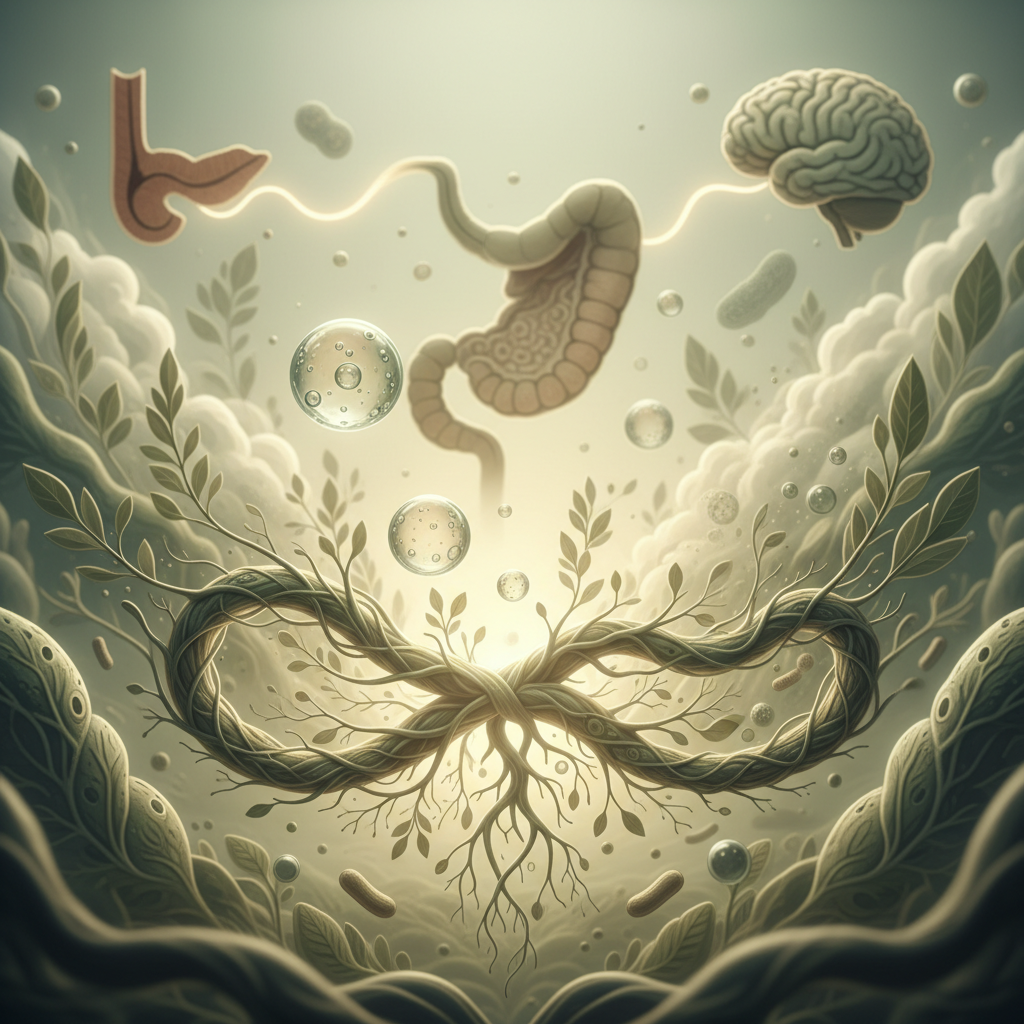
IBS is one of the most common gastroenterology diagnoses, affecting an estimated 10–15% of adults globally. For decades it was characterized as 'functional' — a label that often felt like a medical shrug, suggesting symptoms with no clear cause and no clear treatment.
New frameworks are reshaping the conversation. IBS is now reconceptualized as a 'disorder of gut-brain interaction' — and this shift in framing matters because it points toward genuinely effective interventions.
The disorders of gut-brain interaction framework
The Rome IV criteria, introduced in 2016, formalized the disorders of gut-brain interaction (DGBI) framework. IBS sits in this category alongside conditions like functional dyspepsia and functional bloating. The unifying feature is dysfunction in the bidirectional communication between gut and brain.
This dysfunction can manifest as visceral hypersensitivity (the gut perceives normal sensations as painful), motility disturbances (transit too fast or too slow), altered microbiome, increased intestinal permeability, and disrupted neuroendocrine signaling. Most IBS patients have multiple contributors simultaneously.
Calling IBS 'functional' for decades did patients a disservice. The dysfunction is real and increasingly trackable.
— Dr. Douglas Drossman, MD, Drossman Center for Education
Beyond fiber and antispasmodics
Older IBS management focused on dietary fiber and antispasmodic medications. Both have a role but neither is sufficient for most patients. The current understanding supports a more comprehensive approach.
The low-FODMAP diet has the strongest dietary evidence — restricting fermentable carbohydrates that exacerbate symptoms in many IBS patients. Targeted probiotics (specific strains, not generic products) help a subset. Peppermint oil has surprisingly robust evidence as an antispasmodic. Cognitive behavioral therapy and gut-directed hypnotherapy have produced effects comparable to medication in trials.
Integrated approaches
For most IBS patients, single interventions disappoint. Integrated approaches that address dietary triggers, gut-brain communication, microbiome composition, and stress simultaneously tend to outperform monotherapy.
This is not 'try everything and see what sticks.' It is targeted assessment of which contributors apply to a specific individual, with sequenced interventions accordingly. Working with a knowledgeable practitioner accelerates the process significantly.
What integrative gastroenterologists recommend A multi-modal IBS protocol — targeted dietary modification (low-FODMAP), specific probiotic strains, peppermint oil, and gut-directed mind-body practices — coordinated with appropriate medical care.
The science continues to refine itself, but the practical guidance is clear enough to act on. Foundations first; targeted support where the evidence is solid; patience for the body's own rhythms of repair and adaptation.
References
- Gastroenterology — Rome IV diagnostic criteria for DGBI
- American Journal of Gastroenterology — IBS treatment algorithms
- Lancet — Gut-directed hypnotherapy for IBS
Frequently asked questions
This article is for informational purposes only and does not constitute medical advice, diagnosis or treatment. Always consult a qualified healthcare professional before starting any supplement, diet or exercise programme, especially if you are pregnant, nursing, taking medication or have a medical condition. Statements about supplements have not been evaluated by the Food and Drug Administration.
Feel Better With Us Editorial Team
Our editors research every guide from primary sources and update it when the evidence changes. Our editorial standards