
The Gut-Brain Axis: How Your Microbiome Shapes Your Mood
The connection between gut bacteria and mental health is one of the most exciting frontiers in neuroscience.
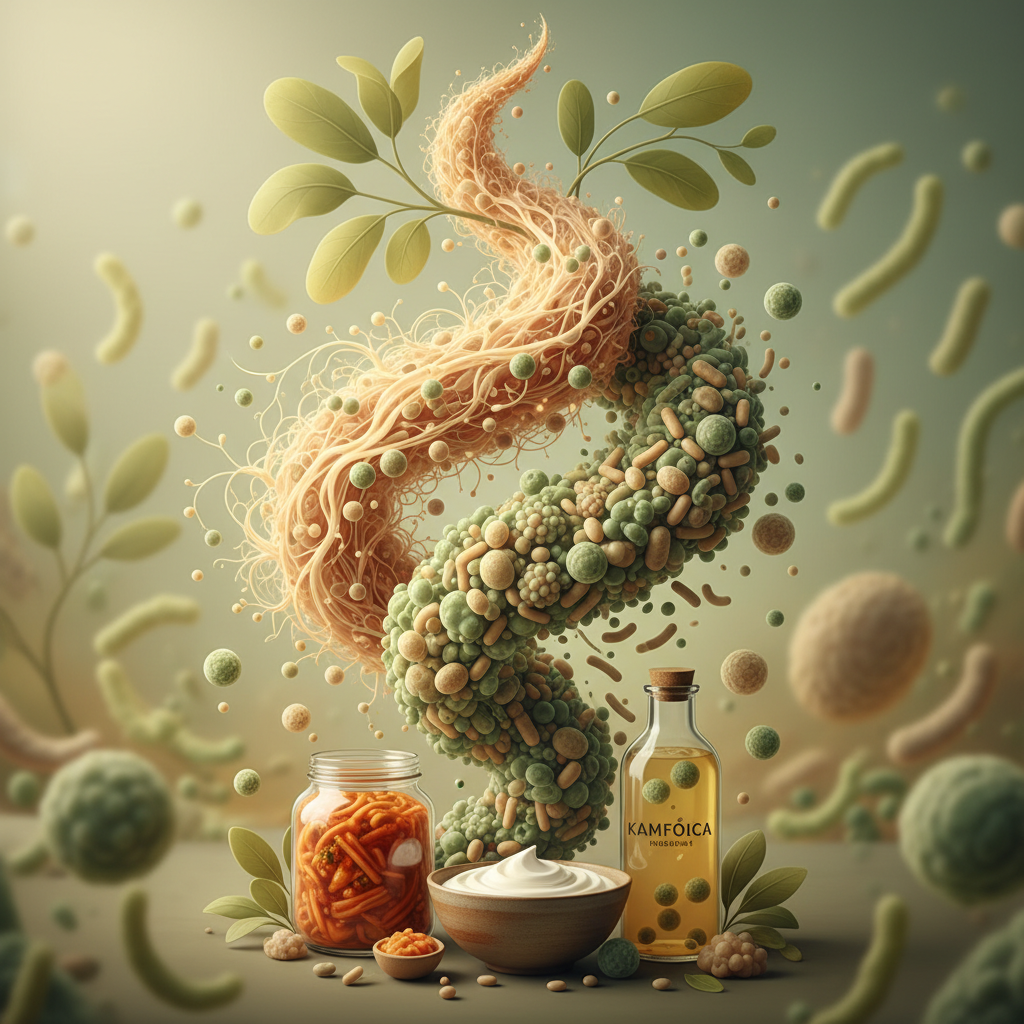
The vagus nerve carries signals from your gut to your brain in volumes that surprise most people. The gut-brain axis is real, biological, and increasingly mappable — and its implications for mood and mental health are significant.
For decades, the conventional model treated mood disorders as purely brain-based. A new model is emerging: the gut and brain communicate constantly, and gut function influences mental state more directly than was appreciated.
The vagus nerve highway
The vagus nerve is the longest cranial nerve, connecting the brainstem to virtually every organ in the trunk — including the entire digestive tract. About 80% of vagus nerve fibers carry information from the body to the brain (afferent), not the other way around.
This means your gut is constantly informing your brain about its state. Gut inflammation, dysbiosis, and barrier dysfunction all generate signals that reach the brain and influence mood, anxiety, and cognition.
We are coming to understand that mood disorders may have gut-resident origins in ways previous generations of psychiatrists could not have imagined.
— Dr. John Cryan, PhD, University College Cork
Neurotransmitters made in the gut
Approximately 90% of the body's serotonin is produced in the gut, by enterochromaffin cells with significant influence from gut bacteria. While gut serotonin doesn't cross the blood-brain barrier directly, it influences vagal afferents and overall systemic inflammation — both of which affect brain serotonin signaling.
Gut bacteria also produce GABA, dopamine, and norepinephrine. Specific bacterial strains have been shown to alter these neurotransmitter systems measurably, with downstream effects on mood and stress response in animal and human studies.
Clinical evidence
'Psychobiotics' — probiotics with mental health applications — have been investigated in multiple clinical trials. Strains including L. rhamnosus, B. longum, and L. helveticus have shown effects on anxiety, depression, and stress markers. Effects are modest but consistent across studies.
For people with persistent low mood or anxiety, addressing gut health is not a substitute for clinical mental health care, but it may be a meaningful complement that supports treatment outcomes.
What integrative mental health practitioners recommend A gut-mood support combination — including specific psychobiotic strains, prebiotic fibers, and omega-3s — alongside the standard foundations of sleep, exercise, and clinical care for mental health concerns.
The science continues to refine itself, but the practical guidance is clear enough to act on. Foundations first; targeted support where the evidence is solid; patience for the body's own rhythms of repair and adaptation.
References
- Cell — The microbiota-gut-brain axis review
- Translational Psychiatry — Psychobiotics and depression meta-analysis
- Nature Reviews Neuroscience — Gut-brain communication mechanisms
Frequently asked questions
This article is for informational purposes only and does not constitute medical advice, diagnosis or treatment. Always consult a qualified healthcare professional before starting any supplement, diet or exercise programme, especially if you are pregnant, nursing, taking medication or have a medical condition. Statements about supplements have not been evaluated by the Food and Drug Administration.
Feel Better With Us Editorial Team
Our editors research every guide from primary sources and update it when the evidence changes. Our editorial standards