
Food Sensitivities and Intestinal Permeability: The Two-Way Connection
A compromised gut barrier creates food sensitivities — and food sensitivities further damage the barrier.
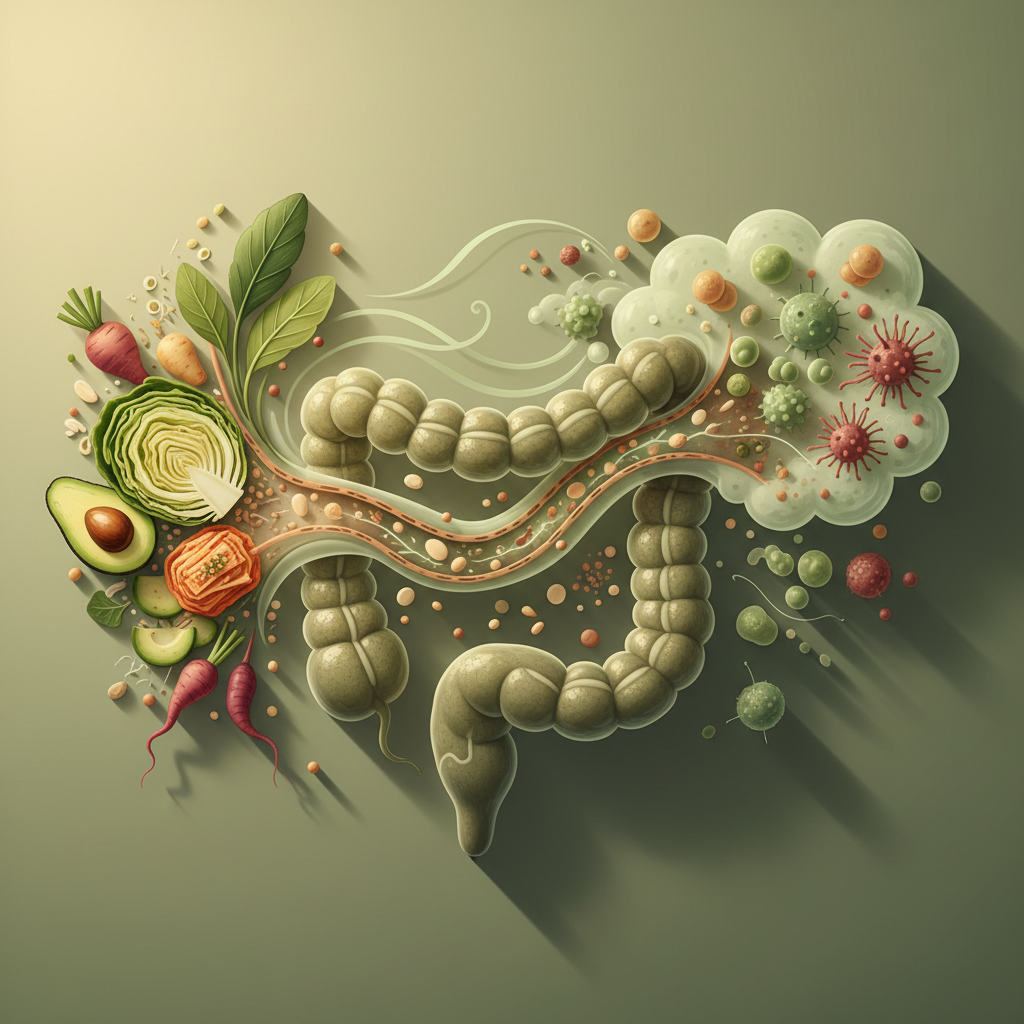
Many adults develop sensitivities to foods they previously tolerated. The pattern is consistent and confusing — eggs cause issues now, gluten produces symptoms it didn't before, dairy creates problems. Research increasingly points to intestinal permeability as a central mechanism.
Once the gut barrier is compromised, food proteins reach immune surveillance cells they shouldn't normally encounter. The immune system, finding these proteins in unexpected locations, mounts a response. Sensitivities follow, and they often spread.
The barrier-sensitivity connection
In a healthy gut, food proteins are broken down into amino acids and small peptides before crossing the intestinal barrier. The barrier itself excludes intact proteins from reaching the underlying immune tissue.
When barrier function fails, intact food proteins enter circulation and the lymphatic system. The immune system, encountering these proteins outside their normal context, may respond with antibody production (IgG sensitivity) or innate inflammatory activation. Each successive exposure reinforces the pattern.
Once the barrier is compromised, the immune system encounters food proteins it shouldn't see. Sensitivities follow.
— Dr. Datis Kharrazian, PhD, Harvard Medical School
Common trigger foods
The most commonly reported food sensitivities involve gluten, dairy, eggs, soy, corn, and nightshade vegetables. The list of any individual's sensitivities depends on their dietary exposures, genetic susceptibilities, and the timing of barrier dysfunction.
True food allergies (IgE-mediated, often severe) are different from food sensitivities (often IgG-mediated, delayed, less dangerous but more persistent). Distinguishing these requires appropriate testing — and even sensitivity testing has limitations and should be interpreted carefully.
Restoration strategies
The integrated approach involves: removing the most reactive foods temporarily (typically 4–8 weeks), supporting barrier repair with targeted nutrition (L-glutamine, zinc, omega-3s, polyphenols), addressing underlying gut dysbiosis, and gradually reintroducing foods to test individual tolerance.
Some sensitivities resolve with barrier restoration; others may remain and require permanent dietary modification. The variable outcomes reflect the heterogeneity of underlying mechanisms.
What functional medicine practitioners recommend A barrier-restoration combination — L-glutamine, zinc, immunoglobulins, and gut-supporting prebiotics — as the foundation of a structured elimination and reintroduction protocol with appropriate professional supervision.
The science continues to refine itself, but the practical guidance is clear enough to act on. Foundations first; targeted support where the evidence is solid; patience for the body's own rhythms of repair and adaptation.
References
- Frontiers in Immunology — Intestinal permeability and food sensitivities
- Nutrients — L-glutamine and gut barrier repair
- Journal of Allergy and Clinical Immunology — Food sensitivity vs allergy distinction
Frequently asked questions
This article is for informational purposes only and does not constitute medical advice, diagnosis or treatment. Always consult a qualified healthcare professional before starting any supplement, diet or exercise programme, especially if you are pregnant, nursing, taking medication or have a medical condition. Statements about supplements have not been evaluated by the Food and Drug Administration.
Feel Better With Us Editorial Team
Our editors research every guide from primary sources and update it when the evidence changes. Our editorial standards